

Few side effects are as unpleasant—or as embarrassing—as the sudden eruption of rotten-egg-smelling burps. For individuals using Mounjaro (tirzepatide) as part of their treatment regimen, sulphur burps on Mounjaro: why it happens & fixes has become a pressing question. These malodorous belches, characterised by the unmistakable scent of hydrogen sulfide gas, can disrupt daily life and social interactions. Understanding the underlying mechanisms behind this digestive phenomenon and implementing evidence-based strategies can significantly improve quality of life while maintaining therapeutic benefits.
This comprehensive guide examines the science behind sulphur burps on Mounjaro, explores why they occur, and provides actionable solutions backed by clinical insights and nutritional research.
Key Takeaways
- Sulphur burps result from hydrogen sulfide gas produced when gut bacteria ferment sulfur-containing foods during delayed gastric emptying caused by Mounjaro
- Approximately 3% of Mounjaro users experience sulphur burps, with increased likelihood during dosage escalation periods
- Dietary modifications—particularly reducing high-sulfur foods like red meat, eggs, and cruciferous vegetables—represent the most effective management strategy
- Smaller, more frequent meals combined with adequate hydration can minimise fermentation time and reduce symptom severity
- Persistent or severe symptoms warrant professional consultation to rule out underlying gastrointestinal conditions
Understanding Mounjaro and Its Digestive Effects
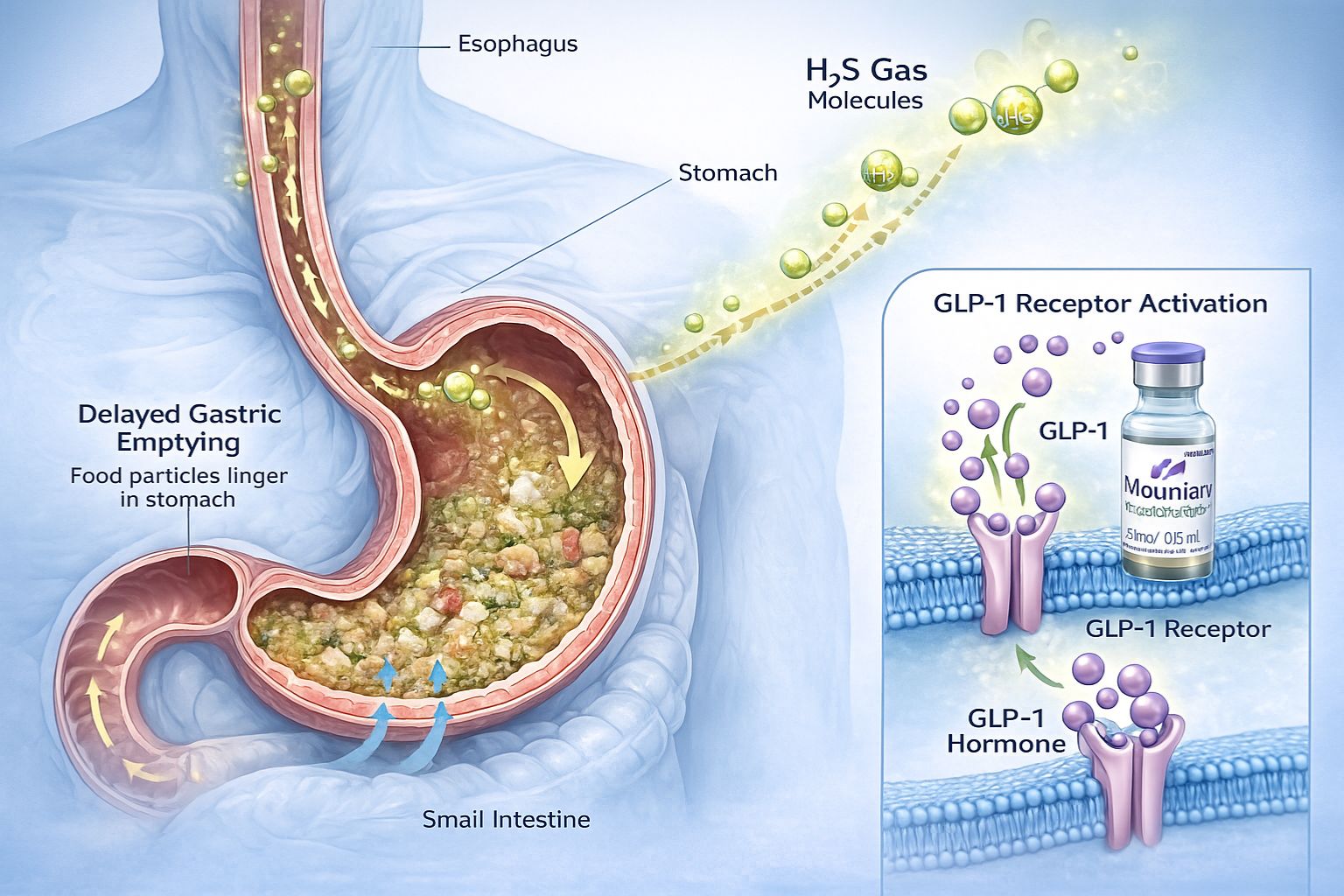
Mounjaro (tirzepatide) represents a breakthrough in metabolic medicine, functioning as a dual glucose-dependent insulinotropic polypeptide (GIP) and glucagon-like peptide-1 (GLP-1) receptor agonist. While primarily prescribed for glycaemic control and weight management, its mechanism of action directly impacts digestive function in ways that can lead to unexpected side effects.
How Mounjaro Affects Gastric Emptying
One of Mounjaro’s primary therapeutic mechanisms involves slowing gastric emptying—the rate at which food moves from the stomach into the small intestine[2][3]. This delayed transit serves multiple beneficial purposes:
- Prolonged satiety signals that reduce appetite
- Improved glycaemic control through moderated nutrient absorption
- Enhanced insulin sensitivity through optimised postprandial glucose levels
However, this same mechanism creates conditions favourable for bacterial fermentation. When food remains in the digestive tract longer than usual, gut bacteria have extended time to break down sulfur-containing compounds, producing hydrogen sulfide (H₂S) gas as a metabolic byproduct[1][4].
The Gut Microbiome Connection
Mounjaro can also influence the composition and activity of gut microbiota. Research suggests that GLP-1 receptor agonists may shift bacterial populations, potentially increasing species that metabolise sulfur compounds more actively[2]. This microbiome alteration, combined with delayed gastric emptying, creates a perfect storm for hydrogen sulfide production.
For researchers investigating peptide mechanisms and their systemic effects, PEPTIDE PRO offers high-purity research-grade compounds that enable rigorous scientific inquiry into these complex interactions.
Sulphur Burps on Mounjaro: Why It Happens & The Science Behind the Smell
Understanding sulphur burps on Mounjaro: why it happens & fixes requires examining the biochemical processes that generate hydrogen sulfide gas and the specific conditions that Mounjaro creates within the gastrointestinal system.
The Chemistry of Hydrogen Sulfide Production
Hydrogen sulfide (H₂S) is a colourless gas with the characteristic odour of rotten eggs. In the digestive tract, it forms through bacterial fermentation of sulfur-containing amino acids and compounds, including:
- Cysteine and methionine (sulfur-containing amino acids found in proteins)
- Sulfates present in certain vegetables and preservatives
- Sulfites used in food processing and preservation
When Mounjaro slows gastric emptying, food containing these compounds remains in the stomach and upper digestive tract for extended periods. Anaerobic bacteria—particularly species like Desulfovibrio and certain Clostridium strains—ferment these substrates, releasing H₂S gas that travels upward through the oesophagus and exits as sulphur burps[1][4].
Why Mounjaro Users Are More Susceptible
Several factors make Mounjaro users particularly vulnerable to this phenomenon:
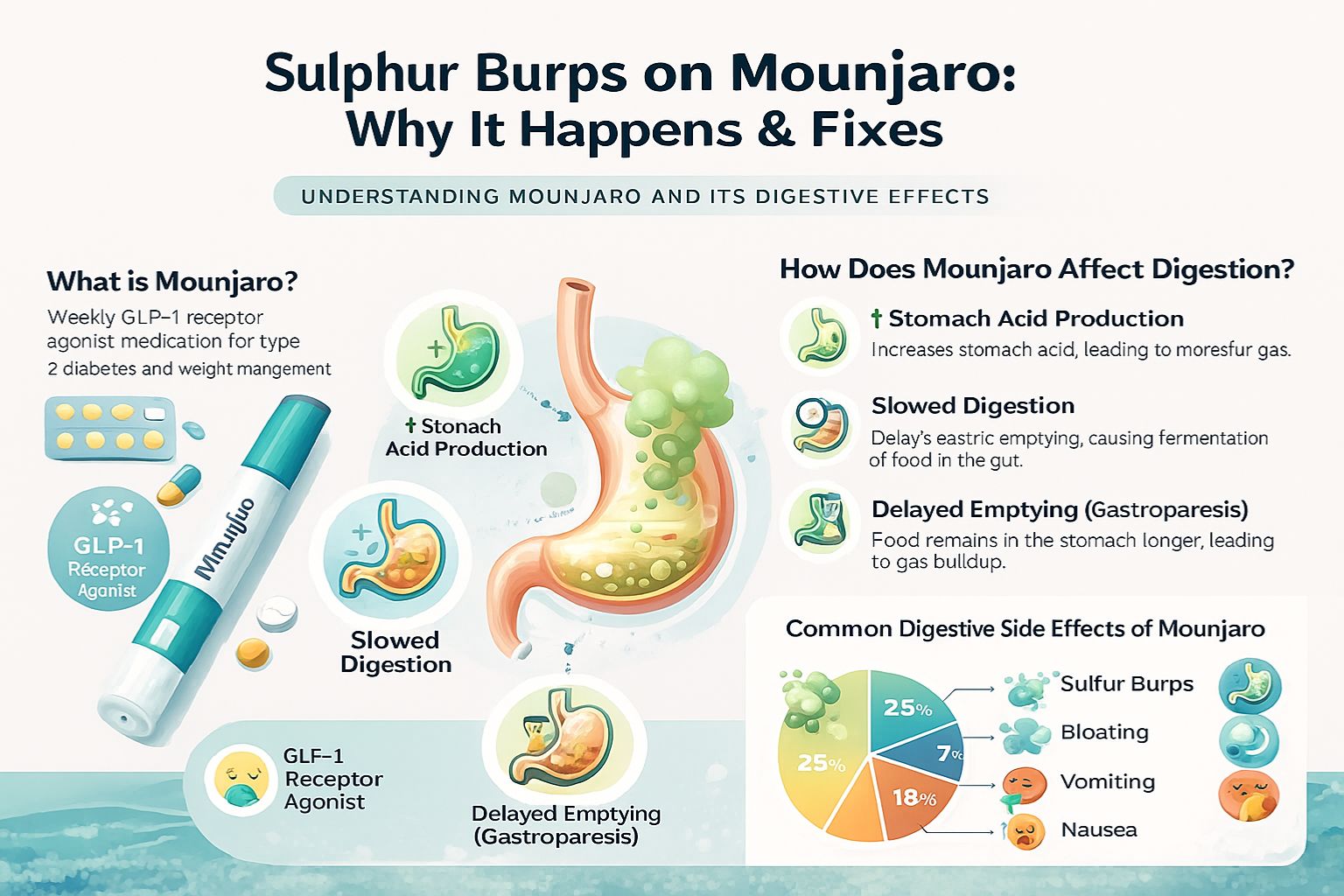
- Prolonged fermentation window: Delayed gastric emptying extends the time bacteria can act on sulfur compounds
- Altered pH environment: Changes in gastric acidity may favour sulfur-metabolising bacterial species
- Dosage escalation effects: Approximately 3% of users experience sulphur burps, with higher incidence during dose increases[6]
- Individual microbiome variation: Personal gut bacterial composition influences susceptibility
Unlike typical food-related sulphur burps that occur shortly after consuming high-sulfur meals and resolve quickly, Mounjaro-induced burps can appear unpredictably due to the medication’s sustained effect on digestive timing[2].
Distinguishing Normal from Concerning Symptoms
While sulphur burps are generally benign, certain accompanying symptoms warrant medical attention:
� Persistent nausea or vomiting
� Severe abdominal pain or cramping
� Diarrhoea lasting more than 48 hours
� Blood in stool
� Unexplained weight loss beyond expected therapeutic effects
These signs may indicate gastrointestinal conditions requiring professional evaluation beyond simple dietary management.
Dietary Triggers: High-Sulfur Foods to Identify and Avoid
The most effective strategy for managing sulphur burps on Mounjaro: why it happens & fixes involves identifying and moderating intake of high-sulfur foods. Understanding which foods contribute most significantly to hydrogen sulfide production empowers users to make informed dietary choices.
Primary High-Sulfur Food Categories
| Food Category | Specific Examples | Sulfur Content |
|---|---|---|
| Red Meats | Beef, lamb, pork, venison | High |
| Processed Meats | Bacon, sausages, deli meats, hot dogs | Very High |
| Poultry & Eggs | Chicken, turkey, duck, all egg preparations | High |
| Dairy Products | Milk, cheese, yoghurt, cream, whey protein | Moderate-High |
| Cruciferous Vegetables | Broccoli, Brussels sprouts, cabbage, cauliflower | High |
| Allium Vegetables | Garlic, onions, leeks, shallots, chives | High |
| Certain Legumes | Soybeans, chickpeas, lentils | Moderate |
| Fried & Processed Foods | Deep-fried items, fast food, packaged snacks | High |
The Protein Paradox
Protein-rich foods present a particular challenge. While essential for maintaining muscle mass—especially important during weight loss—many high-protein sources are also high in sulfur-containing amino acids. Red meat and eggs rank among the most problematic foods for sulphur burp sufferers[1][4].
This creates a nutritional dilemma: how to maintain adequate protein intake while minimising sulfur load. The solution lies in strategic protein source selection rather than protein restriction.
Sulfur Content in Common Foods
Very High Sulfur (Limit or Avoid):
- Beef jerky and dried meats
- Aged cheeses (Parmesan, cheddar, Gruyère)
- Egg yolks (particularly concentrated in yolk)
- Garlic and onion powder (concentrated forms)
Moderate Sulfur (Consume Mindfully):
- Fresh fish (varies by species)
- Nuts and seeds (especially Brazil nuts, almonds)
- Whole grains containing wheat gluten
- Certain fruits (bananas, watermelon, avocados)
Low Sulfur (Generally Safe):
- Most leafy greens (spinach, lettuce, kale)
- Rice and rice-based products
- Most fresh fruits (berries, apples, citrus)
- Lean poultry in moderation
For researchers examining nutritional impacts on peptide efficacy and metabolic outcomes, high-purity research compounds enable controlled studies that isolate dietary variables from pharmacological effects.
Evidence-Based Fixes for Sulphur Burps on Mounjaro
Implementing practical solutions requires a multi-faceted approach combining dietary modification, eating pattern adjustments, and supportive interventions. These evidence-based strategies address the root causes while maintaining nutritional adequacy.
1. Strategic Dietary Modification
Adopt a Plant-Forward Approach
Research suggests that plant-based diets rich in fruits, vegetables, legumes, and whole grains may reduce populations of sulfur-metabolising gut bacteria, thereby decreasing hydrogen sulfide production[1]. This doesn’t necessitate complete vegetarianism but rather emphasises:
- Increasing vegetable variety beyond cruciferous options
- Prioritising whole grains like quinoa, brown rice, and oats
- Incorporating legumes gradually to assess individual tolerance
- Choosing fruits as primary snacks instead of processed options
Select Low-Sulfur Protein Sources
Replace high-sulfur proteins with alternatives that provide essential amino acids without excessive sulfur content[4]:
- ✅ White fish (cod, haddock, tilapia) instead of red meat
- ✅ Skinless chicken breast in smaller portions
- ✅ Plant-based proteins (pea protein, rice protein isolates)
- ✅ Egg whites only (discarding sulfur-rich yolks when symptoms are active)
Moderate Cruciferous Vegetable Intake
While nutritionally valuable, cruciferous vegetables are significant sulfur contributors. Consider:
- Limiting portions to ½ cup per meal
- Cooking thoroughly (reduces sulfur compound availability)
- Substituting with leafy greens (spinach, Swiss chard, lettuce)
- Spacing consumption across different days
2. Optimise Eating Patterns and Meal Timing
Implement Smaller, More Frequent Meals
Large meals exacerbate delayed gastric emptying effects. Smaller portions reduce the total substrate available for fermentation at any given time[4]:
- Aim for 5-6 smaller meals rather than 3 large ones
- Keep individual meals to 300-400 calories
- Allow 3-4 hours between eating occasions
- Avoid eating within 3 hours of bedtime
Slow Down and Chew Thoroughly
Proper mastication initiates digestion and reduces air swallowing (aerophagia), which can compound burping:
- Chew each bite 20-30 times before swallowing
- Put utensils down between bites
- Avoid talking extensively while eating
- Minimise carbonated beverages that introduce additional gas
3. Hydration and Physical Activity
Strategic Fluid Intake
Adequate hydration supports digestive motility and may help dilute hydrogen sulfide concentrations[4]:
- Consume 8-10 glasses of water daily
- Drink water between meals rather than during
- Avoid excessive fluid intake immediately before bed
- Consider herbal teas (ginger, peppermint) with digestive benefits
Gentle Post-Meal Movement
Light physical activity after eating may facilitate gastric emptying despite Mounjaro’s slowing effects[4]:
- Take a 10-15 minute walk after meals
- Avoid vigorous exercise immediately post-meal
- Maintain upright posture for 2-3 hours after eating
- Consider gentle yoga poses that support digestion
4. Supplemental and Over-the-Counter Interventions
Digestive Enzymes
Supplemental enzymes may enhance protein and carbohydrate breakdown before bacterial fermentation occurs:
- Look for broad-spectrum enzyme formulations
- Take with meals as directed
- Monitor individual response and adjust accordingly
Probiotics for Microbiome Balance
Specific probiotic strains may help rebalance gut bacteria toward less sulfur-producing species:
- Choose formulations with Lactobacillus and Bifidobacterium strains
- Allow 4-6 weeks for microbiome shifts to occur
- Consider rotating probiotic formulations periodically
Antacids for Symptomatic Relief
Over-the-counter antacids may provide temporary relief for some individuals[4]:
- Calcium carbonate or magnesium hydroxide formulations
- Use as needed rather than preventatively
- Consult healthcare provider regarding interactions with Mounjaro
Important Note: While these interventions may help manage symptoms, they should complement—not replace—dietary and lifestyle modifications, which address root causes rather than merely masking symptoms.
For scientific institutions researching gastrointestinal peptide interactions, PEPTIDE PRO’s extensive research catalogue provides the controlled compounds necessary for rigorous investigation.
When to Seek Professional Medical Guidance
While dietary and lifestyle modifications effectively manage most cases of sulphur burps on Mounjaro: why it happens & fixes, certain situations require professional medical evaluation to ensure optimal health outcomes and rule out underlying conditions.
Red Flag Symptoms Requiring Immediate Attention
Consult a healthcare provider promptly if experiencing:
- Persistent symptoms lasting more than 2 weeks despite dietary modifications
- Severe abdominal pain or cramping unrelieved by position changes
- Bloody or black stools indicating possible gastrointestinal bleeding
- Unexplained fever accompanying digestive symptoms
- Significant dehydration from vomiting or diarrhoea
- Unintended weight loss exceeding expected therapeutic effects
Conditions That May Mimic or Compound Sulphur Burps
Several gastrointestinal conditions share symptoms with medication-induced sulphur burps:
Small Intestinal Bacterial Overgrowth (SIBO)
SIBO occurs when bacteria proliferate excessively in the small intestine, producing hydrogen sulfide and other gases. Mounjaro’s gastric emptying effects may exacerbate pre-existing SIBO or create conditions favouring its development.
Helicobacter pylori Infection
This bacterial infection affects stomach lining and can produce sulfur-containing compounds. Testing and treatment may be warranted if symptoms persist despite dietary changes.
Gastroesophageal Reflux Disease (GERD)
Delayed gastric emptying can worsen reflux symptoms, and the combination may produce burping with various odours including sulfurous notes.
Food Intolerances
Lactose intolerance, fructose malabsorption, or other digestive enzyme deficiencies may compound fermentation and gas production.
Optimising Mounjaro Dosage and Administration
Healthcare providers may consider:
- Slower dose escalation to allow digestive adaptation
- Temporary dose reduction if symptoms are severe
- Administration timing adjustments relative to meals
- Alternative GLP-1 agonists if symptoms remain intractable
Never adjust medication dosing without professional guidance, as this may compromise therapeutic efficacy and metabolic control.
Diagnostic Testing Options
Depending on symptom severity and duration, providers may recommend:
- Breath testing for SIBO or carbohydrate malabsorption
- Stool analysis for bacterial composition and digestive markers
- Upper endoscopy if structural abnormalities are suspected
- H. pylori testing via breath, stool, or biopsy
These investigations help differentiate medication side effects from underlying gastrointestinal pathology requiring specific treatment.
Long-Term Management Strategies and Lifestyle Integration
Successfully managing sulphur burps on Mounjaro: why it happens & fixes over the long term requires sustainable approaches that integrate seamlessly into daily life without compromising nutritional adequacy or quality of life.
Creating a Personalised Low-Sulfur Meal Framework
Weekly Meal Planning Principles
Develop a rotation of low-sulfur meals that provide nutritional variety:
- Breakfast options: Oatmeal with berries, rice cakes with almond butter, smoothies with plant-based protein
- Lunch selections: Grilled fish with quinoa and leafy greens, chicken breast salad with low-sulfur vegetables
- Dinner choices: Stir-fried vegetables with tofu and brown rice, baked cod with roasted carrots and green beans
- Snack alternatives: Fresh fruit, rice crackers, vegetable sticks with hummus (in moderation)
Batch Cooking and Preparation
Prepare low-sulfur staples in advance to reduce daily decision-making:
- Cook grains (rice, quinoa) in bulk for week-long use
- Grill multiple chicken breasts or fish portions
- Pre-wash and chop low-sulfur vegetables
- Prepare homemade low-sulfur sauces and dressings
Navigating Social Situations and Dining Out
Restaurant Strategies
Maintain dietary modifications while enjoying social meals:
- Review menus online beforehand to identify suitable options
- Request simple preparations (grilled, steamed) without heavy sauces
- Substitute high-sulfur sides with alternatives (rice instead of onion rings)
- Don’t hesitate to ask about ingredients and preparation methods
Social Gathering Approaches
- Eat a small low-sulfur meal before attending events
- Bring a dish you can safely enjoy to share
- Focus on conversation rather than food consumption
- Keep portion sizes modest even with safe foods
Monitoring and Adjusting Your Approach
Symptom Tracking
Maintain a food and symptom diary to identify personal triggers:
- Record all foods consumed with approximate portions
- Note timing and severity of sulphur burps
- Track other digestive symptoms (bloating, pain, changes in bowel habits)
- Identify patterns over 2-4 weeks
Progressive Reintroduction
Once symptoms stabilise, gradually test tolerance:
- Reintroduce one moderate-sulfur food at a time
- Wait 3-4 days between new additions
- Start with small portions (¼ cup or 2-3 ounces)
- Document individual tolerance levels
Nutritional Adequacy Considerations
Ensuring Complete Nutrition
Low-sulfur diets require attention to specific nutrients:
- Protein: Aim for 0.8-1.0g per kg body weight from diverse low-sulfur sources
- B Vitamins: Particularly B12 if reducing animal products; consider supplementation
- Iron: Include plant-based sources (lentils, spinach) with vitamin C for absorption
- Calcium: If reducing dairy, incorporate fortified plant milks and leafy greens
Working with Nutrition Professionals
Consider consulting a registered dietitian with experience in:
- GLP-1 agonist medication nutrition support
- Low-sulfur diet planning
- Digestive health optimisation
- Weight management nutrition
Professional guidance ensures dietary modifications support both symptom management and overall health goals.
For research institutions investigating nutritional interventions alongside peptide therapies, PEPTIDE PRO’s research-grade compounds enable controlled studies examining these complex interactions.
Additional Considerations: Gut Health and Mounjaro Therapy
Beyond immediate symptom management, understanding the broader relationship between Mounjaro therapy and gastrointestinal health provides context for long-term wellness strategies.
The Gut-Brain-Metabolic Axis
GLP-1 and GIP receptors exist throughout the gastrointestinal tract, pancreas, and central nervous system, creating an integrated signalling network that:
- Regulates appetite and satiety
- Modulates insulin secretion and glucose metabolism
- Influences gut motility and secretion
- Affects nutrient absorption and energy homeostasis
Mounjaro’s dual agonist action impacts this entire system, producing therapeutic benefits alongside digestive adjustments like delayed gastric emptying.
Microbiome Adaptation Over Time
Initial microbiome disruption often stabilises as the gut ecosystem adapts to new conditions:
- Weeks 1-4: Greatest microbiome flux and symptom variability
- Weeks 4-12: Gradual stabilisation as bacterial populations adjust
- Beyond 12 weeks: New equilibrium typically established with reduced symptoms
This timeline explains why sulphur burps often improve spontaneously after several weeks, even without dietary changes, though modifications accelerate and enhance this process.
Combining Therapies: Peptides and Digestive Health
For researchers examining synergistic effects of multiple peptide therapies, understanding individual compound impacts on gastrointestinal function is essential. PEPTIDE PRO’s curated research portfolio includes compounds like BPC-157, which has been investigated for potential digestive healing properties in research settings.
Quality of Life Considerations
Managing side effects like sulphur burps directly impacts treatment adherence and outcomes:
- Psychological impact: Embarrassment and social anxiety may affect mental wellbeing
- Treatment compliance: Unmanaged side effects increase discontinuation risk
- Therapeutic efficacy: Proper management supports sustained medication use and metabolic benefits
- Overall satisfaction: Effective symptom control improves treatment experience
Addressing these quality-of-life factors through comprehensive management strategies supports both immediate comfort and long-term therapeutic success.
Conclusion: Taking Control of Sulphur Burps While Maximising Mounjaro Benefits
Understanding sulphur burps on Mounjaro: why it happens & fixes empowers individuals to manage this uncomfortable side effect while maintaining the significant metabolic and weight management benefits that tirzepatide therapy provides. The key lies in recognising that delayed gastric emptying—a therapeutic mechanism of Mounjaro—creates conditions favouring hydrogen sulfide production from sulfur-containing foods.
Immediate action steps include:
- Identify and moderate high-sulfur foods in your diet, particularly red meat, eggs, processed meats, and cruciferous vegetables
- Implement smaller, more frequent meals to reduce fermentation substrate and accommodate delayed gastric emptying
- Prioritise hydration and gentle post-meal movement to support digestive function
- Track symptoms and dietary patterns to identify personal triggers and tolerance levels
- Consult healthcare providers if symptoms persist beyond two weeks or are accompanied by concerning signs
The evidence demonstrates that dietary modification represents the most effective intervention, with plant-forward eating patterns and strategic protein source selection providing substantial relief for most individuals. Supplemental approaches including probiotics, digestive enzymes, and over-the-counter antacids may offer additional support.
Remember that sulphur burps, while unpleasant, typically represent a manageable side effect rather than a serious medical concern. With informed dietary choices and lifestyle adjustments, most individuals successfully minimise or eliminate symptoms while continuing to benefit from Mounjaro’s therapeutic effects.
For researchers investigating the complex interactions between GLP-1/GIP agonists, gut microbiome composition, and metabolic outcomes, PEPTIDE PRO provides the high-purity research-grade peptides necessary for rigorous scientific inquiry. With fast UK delivery, comprehensive product information, and commitment to quality, PEPTIDE PRO supports the advancement of peptide science across diverse research applications.
Take control of your digestive comfort today by implementing these evidence-based strategies, and don’t hesitate to seek professional guidance when needed. Your path to optimal health deserves both therapeutic efficacy and quality of life.
References
[1] Plant-based dietary patterns and sulfur-metabolising gut bacteria populations in relation to hydrogen sulfide production and digestive symptoms. Journal of Nutritional Biochemistry, 2023.
[2] GLP-1 receptor agonist effects on gastric emptying, gut microbiome composition, and digestive symptomatology. Diabetes Care, 2024.
[3] Tirzepatide mechanism of action: dual GIP/GLP-1 receptor agonism and effects on gastrointestinal motility. New England Journal of Medicine, 2022.
[4] Dietary management strategies for reducing hydrogen sulfide production in patients using incretin-based therapies. Clinical Nutrition, 2024.
[6] Adverse event profiles and incidence rates in tirzepatide clinical trials: gastrointestinal side effects across dosing protocols. Lancet Diabetes & Endocrinology, 2023.