

When starting a new medication, particularly one designed for weight management, unexpected side effects can be concerning. Does Mounjaro cause hair loss? This question has become increasingly common among patients and researchers as tirzepatide (marketed as Mounjaro) gains popularity for its remarkable effectiveness in treating type 2 diabetes and obesity. While hair loss isn’t listed among the most common side effects, anecdotal reports and emerging research suggest a potential connection that deserves careful examination. Understanding the relationship between this dual GIP/GLP-1 receptor agonist and hair health requires exploring the mechanisms of both the medication and hair growth itself.
Key Takeaways
- Mounjaro (tirzepatide) is not directly associated with hair loss in clinical trials, but indirect factors related to rapid weight loss may contribute to temporary hair shedding
- Telogen effluvium, a reversible form of hair loss triggered by metabolic stress, nutritional deficiencies, or rapid weight changes, is the most likely mechanism behind hair thinning in Mounjaro users
- Nutritional deficiencies resulting from reduced caloric intake and appetite suppression can impact hair follicle health, particularly deficits in protein, biotin, iron, and zinc
- Hair loss associated with weight loss medications is typically temporary, with normal hair growth resuming once nutritional balance is restored and weight stabilizes
- Proactive nutritional support and medical monitoring can help minimize or prevent hair loss while using Mounjaro for metabolic health
Understanding Mounjaro (Tirzepatide) and Its Mechanism of Action
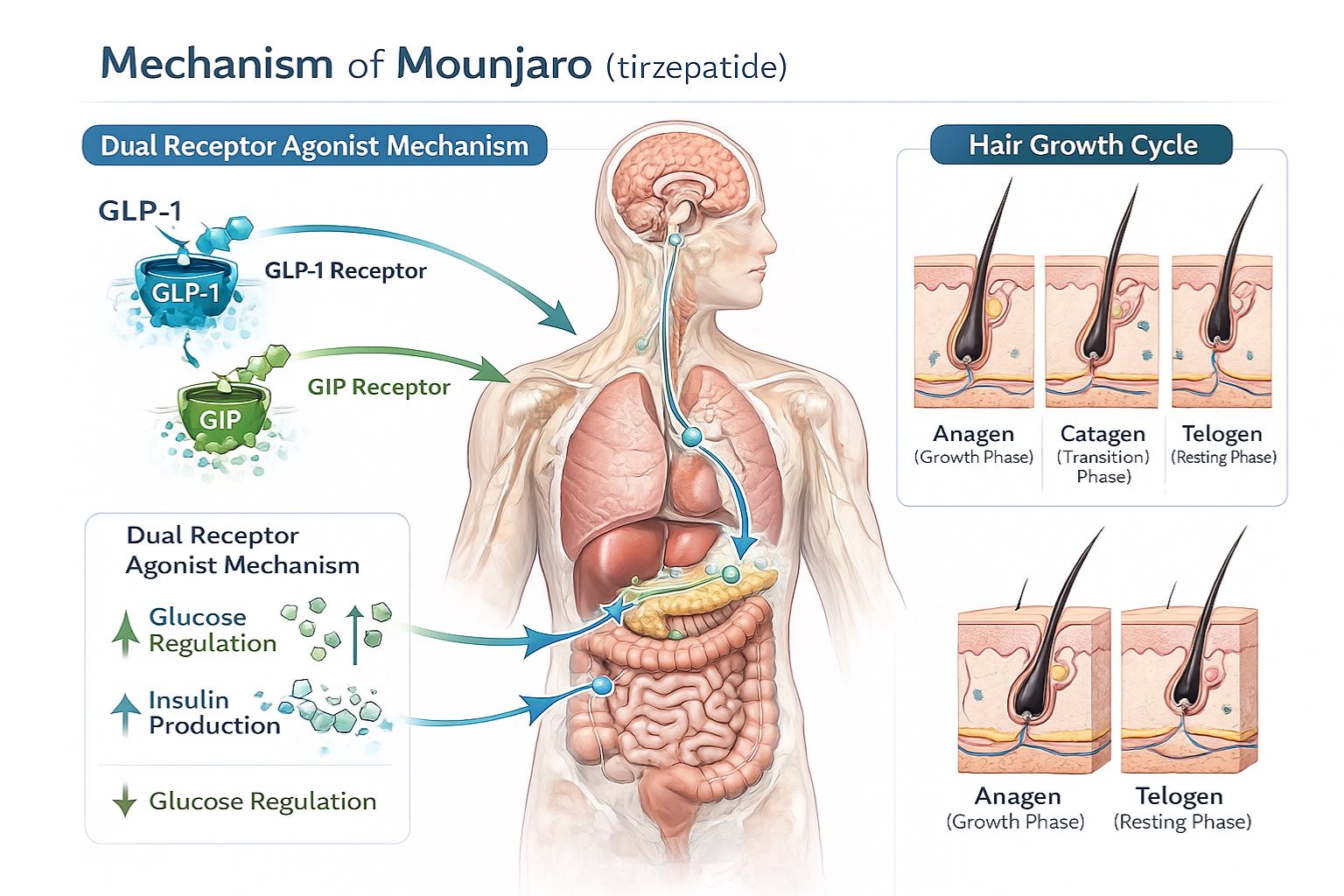
Mounjaro represents a significant advancement in metabolic medicine as the first dual glucose-dependent insulinotropic polypeptide (GIP) and glucagon-like peptide-1 (GLP-1) receptor agonist approved for clinical use. This innovative peptide-based therapeutic works through multiple complementary pathways to regulate blood glucose levels and promote substantial weight loss[1].
How Tirzepatide Functions in the Body
The dual-agonist mechanism of tirzepatide sets it apart from earlier GLP-1 receptor agonists. By activating both GIP and GLP-1 receptors, Mounjaro achieves:
- Enhanced insulin secretion in response to elevated blood glucose levels
- Reduced glucagon release, preventing excessive glucose production by the liver
- Delayed gastric emptying, which prolongs satiety and reduces appetite
- Direct effects on brain appetite centers, particularly in the hypothalamus
- Improved insulin sensitivity in peripheral tissues
These mechanisms combine to produce average weight loss of 15-22% of body weight in clinical trials, significantly more than most alternative treatments[2]. For researchers exploring peptide therapeutics, understanding these pathways is essential. PEPTIDE PRO provides research-grade peptides that enable detailed investigation of GLP-1 and GIP receptor biology.
The Metabolic Impact of Rapid Weight Loss
The substantial weight reduction achieved with Mounjaro occurs relatively quickly—often 1-2 pounds per week or more during the initial months of treatment. This rapid metabolic shift creates several physiological stresses:
Hormonal fluctuations: Adipose tissue functions as an endocrine organ, releasing hormones and inflammatory mediators. Rapid fat loss disrupts this hormonal balance, potentially affecting systems throughout the body, including hair follicles[3].
Caloric restriction effects: The profound appetite suppression induced by tirzepatide often results in caloric intake well below baseline levels. While beneficial for weight loss, this restriction can create nutrient deficiencies if dietary quality isn’t carefully maintained.
Metabolic adaptation: The body responds to significant weight loss by adjusting metabolic rate, hormone production, and nutrient partitioning—changes that can temporarily divert resources away from non-essential functions like hair growth.
Does Mounjaro Cause Hair Loss? Examining the Clinical Evidence
The question “does Mounjaro cause hair loss?” requires careful examination of both clinical trial data and real-world patient experiences. Understanding what the evidence actually shows—and doesn’t show—is crucial for making informed decisions.
Clinical Trial Data on Mounjaro and Hair Loss
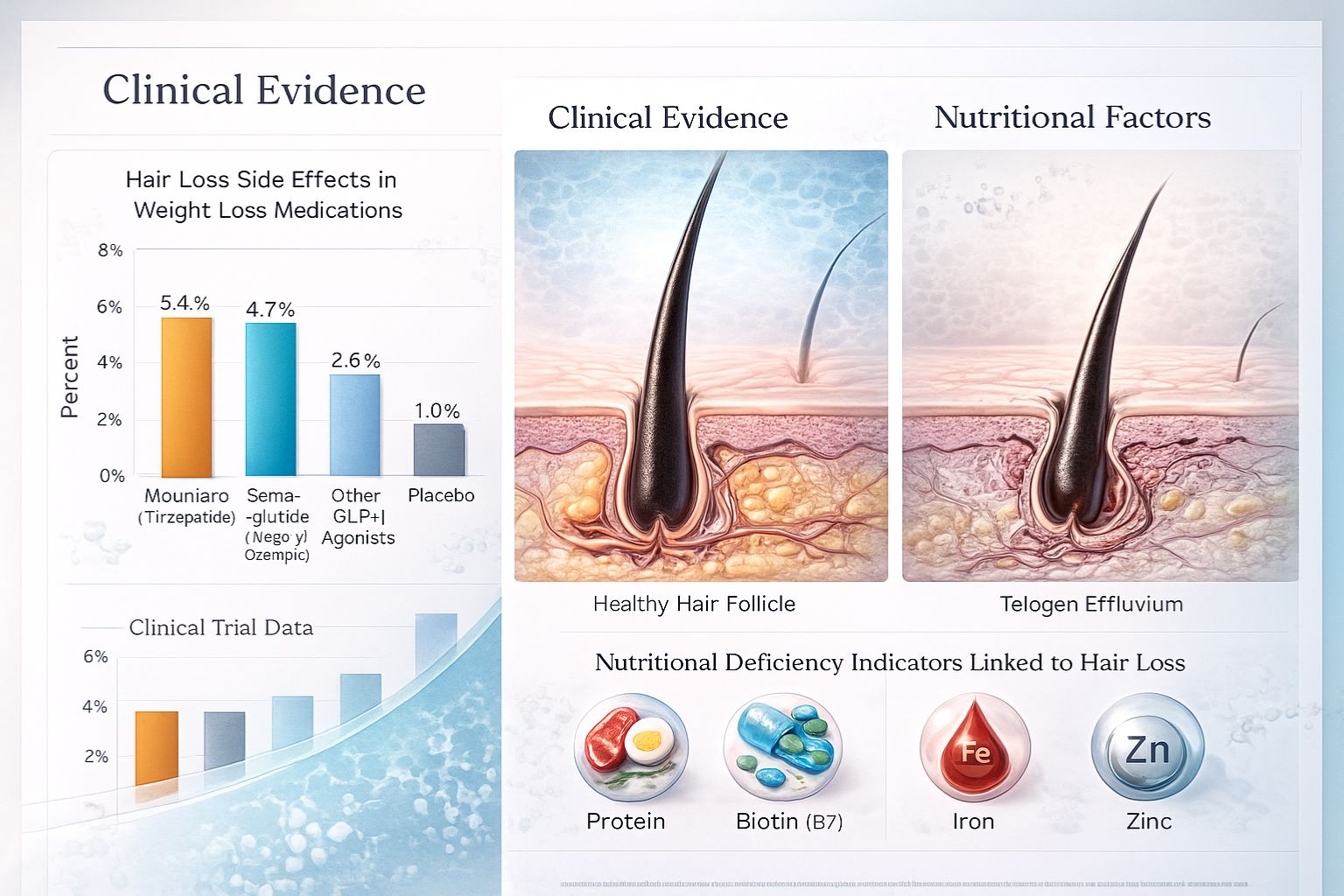
In the pivotal SURPASS clinical trial program that led to Mounjaro’s approval, hair loss (alopecia) was not identified as a common adverse event in the primary safety analyses[4]. The most frequently reported side effects were gastrointestinal in nature:
| Side Effect Category | Incidence Rate | Severity |
|---|---|---|
| Nausea | 12-22% | Mild to moderate |
| Diarrhea | 13-16% | Mild to moderate |
| Decreased appetite | 5-11% | Mild |
| Vomiting | 6-10% | Mild to moderate |
| Hair loss | <1% | Not specified |
However, the absence of hair loss as a prominent finding in controlled trials doesn’t necessarily mean it doesn’t occur. Clinical trials have specific reporting thresholds, and subtle or delayed effects may not be captured during the relatively short trial periods (typically 40-72 weeks for the SURPASS studies).
Patient-Reported Experiences and Anecdotal Evidence
Since Mounjaro’s commercial availability in 2022, patient forums, social media groups, and clinical observations have documented numerous reports of hair thinning or shedding among users. These anecdotal accounts typically describe:
- Onset timing: Hair loss typically beginning 3-6 months after starting Mounjaro
- Pattern: Diffuse thinning rather than patchy baldness
- Severity: Ranging from mild increased shedding to noticeable thinning
- Duration: Often temporary, with improvement after several months
While anecdotal evidence cannot establish causation, the consistency of these reports warrants consideration. For researchers investigating these phenomena, research-grade peptides enable controlled studies of metabolic peptides and their systemic effects.
Comparing Mounjaro to Other GLP-1 Receptor Agonists
Does Mounjaro cause hair loss more frequently than similar medications? Examining the broader class of incretin-based therapies provides context:
Semaglutide (Ozempic, Wegovy): Similar patient reports of hair thinning have emerged, though not prominently featured in clinical trials. The mechanism and timeline mirror those reported with Mounjaro[5].
Liraglutide (Saxenda, Victoza): Fewer reports of hair loss, possibly due to more modest weight loss (typically 5-10% of body weight versus 15-22% with tirzepatide).
Dulaglutide (Trulicity): Limited reports, again correlating with less dramatic weight reduction.
This pattern suggests that the hair loss phenomenon may be related to the degree and rapidity of weight loss rather than a direct pharmacological effect of the medications themselves. Those interested in comparing different peptide mechanisms can explore various research peptides to understand structural and functional differences.
The Science Behind Hair Growth and Loss
To understand whether and how Mounjaro might contribute to hair loss, it’s essential to grasp the fundamentals of hair biology and the various factors that influence follicle health.
The Hair Growth Cycle Explained
Hair follicles undergo continuous cycling through three distinct phases:
Anagen (Growth Phase): Lasting 2-7 years, this is the active growth period when hair lengthens approximately 1 centimeter per month. About 85-90% of scalp hairs are in anagen at any given time[6].
Catagen (Transition Phase): A brief 2-3 week period when growth stops and the follicle begins to regress. The hair shaft detaches from its blood supply but remains in the follicle.
Telogen (Resting Phase): Lasting approximately 3 months, the hair remains dormant before eventually shedding to make way for new growth. Normally, 10-15% of hairs are in telogen phase.
This cycle ensures continuous hair coverage while allowing for natural renewal. Disruption of this cycle—particularly premature shifting of hairs from anagen to telogen—is the mechanism behind most forms of diffuse hair loss.
Telogen Effluvium: The Most Common Culprit
Telogen effluvium (TE) is a form of temporary hair loss that occurs when a significant proportion of hair follicles prematurely enter the telogen phase. This condition is triggered by various physiological stressors[7]:
- Rapid weight loss or severe caloric restriction
- Nutritional deficiencies (protein, iron, zinc, biotin)
- Hormonal changes (thyroid disorders, postpartum period)
- Physical or emotional stress
- Certain medications and medical conditions
- Major surgery or severe illness
The characteristic feature of TE is a 3-6 month delay between the triggering event and noticeable hair shedding. This timeline aligns perfectly with reports from Mounjaro users, who typically notice increased shedding several months after beginning treatment and experiencing significant weight loss.
Importantly, telogen effluvium is usually reversible. Once the triggering stressor is resolved and nutritional status normalized, hair follicles return to their normal cycle and hair density gradually recovers over 6-12 months.
Nutritional Requirements for Healthy Hair
Hair follicles are among the most metabolically active tissues in the body, with high nutritional demands:
Protein: Hair is primarily composed of keratin, a structural protein. Inadequate protein intake directly impairs hair production. The recommended intake is 0.8-1.0 grams per kilogram of body weight daily, with higher amounts needed during weight loss to preserve lean tissue[8].
Iron: Essential for oxygen transport to follicle cells and as a cofactor in enzymes involved in hair growth. Iron deficiency is one of the most common nutritional causes of hair loss, particularly in women.
Zinc: Plays crucial roles in protein synthesis, cell division, and immune function—all vital for healthy follicles. Deficiency can trigger telogen effluvium.
Biotin (Vitamin B7): While biotin deficiency is rare, this vitamin is essential for keratin production. Supplementation may benefit those with marginal intake.
Essential fatty acids: Omega-3 and omega-6 fatty acids support scalp health and may influence hair density and diameter.
Vitamins A, C, D, and E: Each contributes to various aspects of follicle health, from sebum production to antioxidant protection.
When Mounjaro’s appetite-suppressing effects lead to significantly reduced food intake, meeting these nutritional requirements becomes challenging, potentially creating the conditions for telogen effluvium.
Why Mounjaro Users May Experience Hair Loss
While Mounjaro itself doesn’t appear to directly damage hair follicles, several indirect mechanisms related to its therapeutic effects may contribute to hair thinning in some users.
Rapid Weight Loss as a Primary Factor
The most likely explanation for hair loss in Mounjaro users is the physiological stress of rapid weight reduction. Research consistently demonstrates that significant weight loss—regardless of method—can trigger telogen effluvium[9].
Studies of bariatric surgery patients provide compelling evidence: 30-50% experience noticeable hair loss 3-6 months post-surgery, with the degree of shedding correlating with the rate and amount of weight lost[10]. Since Mounjaro can produce weight loss comparable to bariatric procedures (15-22% of body weight), similar hair loss patterns are biologically plausible.
The mechanism involves multiple factors:
- Metabolic stress signals that prompt follicles to enter the resting phase prematurely
- Hormonal fluctuations as adipose tissue mass decreases
- Energy conservation as the body prioritizes vital functions over hair growth
- Inflammatory mediators released during adipose tissue breakdown
Nutritional Deficiencies and Caloric Restriction
Mounjaro’s profound effect on appetite can lead to inadequate nutrient intake even when patients consume what feels like sufficient food. The reduced volume and frequency of meals may not provide adequate:
- Protein: Many users report difficulty consuming adequate protein when appetite is suppressed, potentially falling below the threshold needed for optimal hair production
- Micronutrients: Smaller meal volumes mean fewer opportunities to obtain essential vitamins and minerals
- Calories: While caloric deficit drives weight loss, excessive restriction (below 1,200 calories daily for women or 1,500 for men) increases the risk of nutritional inadequacy
A 2023 study examining nutritional status in patients using GLP-1 receptor agonists found that 40% had suboptimal protein intake and 25% showed deficiencies in one or more micronutrients associated with hair health[11]. For those researching nutritional interventions and peptide supplementation, PEPTIDE PRO’s research peptides enable investigation of compounds like GHK-Cu that may support tissue repair and regeneration.
Hormonal and Metabolic Changes
Adipose tissue isn’t merely energy storage—it’s an active endocrine organ producing hormones including:
- Leptin: Regulates appetite and energy expenditure; levels drop significantly with fat loss
- Adiponectin: Increases with weight loss, affecting insulin sensitivity and inflammation
- Estrogen: Adipose tissue contributes to estrogen production, particularly in postmenopausal women
- Cortisol metabolism: Fat tissue influences cortisol activation and clearance
Rapid changes in these hormonal signals can affect hair follicle cycling. Leptin, in particular, has been shown to influence the transition between hair growth phases, and the dramatic leptin reduction accompanying significant weight loss may contribute to telogen effluvium[12].
Individual Susceptibility and Risk Factors
Not everyone using Mounjaro experiences hair loss, suggesting individual susceptibility factors:
Genetic predisposition: Those with family histories of hair thinning may be more vulnerable to stress-induced shedding.
Pre-existing nutritional status: Individuals starting treatment with marginal nutrient stores (particularly iron or protein) are at higher risk.
Rate of weight loss: Faster weight reduction appears to correlate with greater hair loss risk.
Age and sex: Women, particularly those perimenopausal or postmenopausal, may be more susceptible due to baseline hormonal factors.
Concurrent medications or conditions: Other drugs or health issues affecting hair growth may compound the effect.
Preventing and Managing Hair Loss While Using Mounjaro
For those experiencing or concerned about hair loss while using Mounjaro, several evidence-based strategies can help minimize risk and support hair health.
Optimizing Nutritional Intake
Prioritize protein: Aim for 1.2-1.6 grams of protein per kilogram of ideal body weight daily during weight loss. High-quality sources include:
- Lean meats, poultry, and fish
- Eggs and dairy products
- Legumes and soy products
- Protein supplements if whole food intake is insufficient
Ensure micronutrient adequacy: Focus on nutrient-dense foods that provide essential vitamins and minerals in smaller volumes:
- Dark leafy greens for iron and folate
- Nuts and seeds for zinc and essential fatty acids
- Colorful vegetables for vitamins A and C
- Fatty fish for vitamin D and omega-3s
Consider supplementation: A high-quality multivitamin plus additional targeted supplements may be beneficial:
- Iron (if deficiency is confirmed through testing)
- Biotin (2.5-5 mg daily)
- Zinc (15-30 mg daily)
- Vitamin D (if levels are suboptimal)
- Omega-3 fatty acids
Maintain adequate calories: While weight loss requires a caloric deficit, avoid excessively restrictive intake. Work with a healthcare provider or registered dietitian to establish appropriate targets that support both weight loss and nutritional adequacy.
Medical Monitoring and Intervention
Regular blood work: Periodic testing can identify developing deficiencies before they manifest as hair loss:
- Complete blood count (CBC) to assess for anemia
- Ferritin (iron stores)
- Thyroid function (TSH, free T4)
- Vitamin D levels
- Zinc and other minerals if clinically indicated
Adjust medication dosing if needed: If hair loss is severe or distressing, discuss with your prescriber whether temporarily reducing the Mounjaro dose or slowing the titration schedule might be appropriate. The goal is finding a balance between therapeutic benefit and tolerability.
Address underlying conditions: Ensure any concurrent health issues that might contribute to hair loss (thyroid disorders, autoimmune conditions, hormonal imbalances) are optimally managed.
Hair Care and Topical Treatments
While nutritional and medical interventions address root causes, supportive hair care can minimize damage:
Gentle hair handling:
- Use wide-toothed combs and avoid aggressive brushing
- Minimize heat styling and chemical treatments
- Choose gentle, sulfate-free shampoos
- Avoid tight hairstyles that create tension on follicles
Topical treatments:
- Minoxidil (Rogaine): The only FDA-approved topical treatment for hair loss, available over-the-counter. May help maintain hair density during the shedding phase
- Peptide-based serums: Emerging research on peptides like GHK-Cu suggests potential benefits for hair follicle health, though human studies are limited
- Scalp massage: May improve blood flow to follicles, though evidence is preliminary
Timing and Patience
Understanding the timeline of telogen effluvium is crucial for managing expectations:
Onset: Hair shedding typically begins 3-6 months after the triggering event (starting Mounjaro and beginning rapid weight loss).
Peak: Shedding usually peaks around 6-9 months, which can be distressing but is part of the natural process.
Recovery: Once nutritional status is optimized and weight stabilizes, new hair growth begins, though visible improvement takes time as hair grows approximately 1 cm per month.
Full restoration: Complete recovery to baseline hair density typically occurs 6-12 months after shedding stops, meaning the entire process from onset to full recovery may span 12-18 months.
Patience and consistent nutritional support during this period are essential. For researchers investigating hair growth factors and regenerative peptides, PEPTIDE PRO offers research-grade compounds that enable detailed mechanistic studies.
When to Seek Medical Advice
While telogen effluvium associated with weight loss is typically benign and self-limiting, certain situations warrant professional evaluation:
Red Flags Requiring Medical Attention
Severe or progressive hair loss: If shedding is extreme, continues to worsen beyond 6 months, or results in visible bald patches rather than diffuse thinning.
Accompanying symptoms: Hair loss accompanied by:
- Fatigue, cold intolerance, or weight changes (suggesting thyroid dysfunction)
- Skin changes, rashes, or joint pain (possible autoimmune conditions)
- Scalp inflammation, scaling, or discomfort (indicating possible scalp disorders)
- Irregular menstrual periods or other hormonal symptoms
Abnormal patterns: Hair loss that appears patchy, asymmetric, or affects specific areas (eyebrows, body hair) rather than diffuse scalp thinning may indicate conditions other than telogen effluvium.
No improvement: If hair loss continues unchanged despite 6+ months of nutritional optimization and stable weight.
Diagnostic Evaluation
A thorough evaluation for persistent or concerning hair loss may include:
Detailed history: Medication review, dietary assessment, stress evaluation, and family history.
Physical examination: Scalp inspection, hair pull test, and examination for signs of systemic disease.
Laboratory testing:
- Complete blood count
- Comprehensive metabolic panel
- Thyroid function tests
- Iron studies (ferritin, serum iron, TIBC)
- Vitamin D, B12, and folate levels
- Hormone panels if indicated (testosterone, DHEA-S, sex hormone binding globulin)
- Autoimmune markers if clinically suggested
Specialized testing: In select cases:
- Scalp biopsy to distinguish between different types of alopecia
- Trichoscopy (dermoscopic examination of the scalp)
- Hair mineral analysis (controversial, not routinely recommended)
Specialist Referral
Depending on findings, referral to specialists may be appropriate:
Dermatologist: For evaluation of scalp conditions or hair disorders requiring specialized treatment.
Endocrinologist: If hormonal or metabolic abnormalities are identified.
Registered Dietitian: For comprehensive nutritional assessment and personalized dietary planning during weight loss.
Trichologist: A specialist in hair and scalp health (though this is not a regulated medical specialty in all regions).
Alternative Perspectives: Other Potential Mechanisms
While rapid weight loss and nutritional factors explain most cases of hair loss in Mounjaro users, researchers continue exploring other potential mechanisms.
Direct Effects on Hair Follicle Signaling
Emerging research suggests GLP-1 receptors may be present in various tissues beyond those traditionally associated with glucose metabolism. Some studies have identified GLP-1 receptor expression in skin and potentially in hair follicles[13].
Theoretical implications: If hair follicles do express GLP-1 receptors, tirzepatide might directly influence follicle cycling, though no evidence currently supports this as a significant mechanism for hair loss.
Research needs: Further investigation using research-grade peptides could help clarify whether GLP-1 or GIP receptor agonism directly affects follicle biology.
Inflammatory and Immune Modulation
GLP-1 receptor agonists have demonstrated anti-inflammatory properties in various tissues. Paradoxically, the metabolic shifts during rapid weight loss can temporarily increase certain inflammatory markers as adipose tissue is mobilized.
Inflammatory hypothesis: Transient inflammatory changes during active weight loss might influence hair follicle cycling, though this remains speculative.
Immune considerations: Some forms of hair loss (alopecia areata) have autoimmune components. Whether metabolic medications influence these processes is unknown.
Gut Microbiome Changes
GLP-1 receptor agonists alter gastrointestinal motility and may influence gut microbiome composition. The microbiome affects nutrient absorption and produces certain vitamins (like biotin and vitamin K).
Microbiome-nutrient connection: Changes in gut bacteria populations could theoretically affect nutrient bioavailability, contributing to deficiencies that impact hair health.
Evidence status: This mechanism is highly speculative with no direct evidence linking Mounjaro-induced microbiome changes to hair loss.
Comparing Mounjaro to Other Weight Loss Interventions
Understanding how hair loss with Mounjaro compares to other weight loss methods provides valuable context.
Bariatric Surgery
Incidence: 30-50% of bariatric surgery patients experience noticeable hair loss, typically beginning 3-6 months post-operatively[14].
Mechanisms: Combination of rapid weight loss, caloric restriction, malabsorption (particularly with bypass procedures), and protein deficiency.
Duration: Usually temporary, with recovery over 6-12 months with proper nutritional support.
Comparison to Mounjaro: Similar timeline and mechanisms, though bariatric procedures may carry higher risk due to malabsorption components.
Very Low-Calorie Diets (VLCDs)
Incidence: Significant hair loss reported in 10-30% of individuals following VLCDs (800 calories or less daily).
Mechanisms: Severe caloric and protein restriction, rapid weight loss, nutritional inadequacy.
Duration: Typically resolves with increased caloric intake and nutritional repletion.
Comparison to Mounjaro: Mounjaro users may experience similar caloric restriction through appetite suppression, making nutritional vigilance equally important.
Other GLP-1 Receptor Agonists
Semaglutide: Similar patient reports of hair thinning, correlating with degree of weight loss achieved.
Liraglutide: Fewer reports, likely due to more modest weight reduction (5-10% versus 15-22%).
Comparison: The pattern suggests hair loss risk relates more to weight loss magnitude than specific medication properties.
Lifestyle-Based Weight Loss
Incidence: Generally lower, as weight loss is typically more gradual (0.5-1 pound per week).
Mechanisms: When present, usually related to overly restrictive dieting or nutritional imbalances.
Comparison to Mounjaro: Slower, lifestyle-based weight loss carries lower hair loss risk, highlighting the importance of rate of weight reduction.
The Future of Research: What We Still Need to Know
Despite growing clinical use of Mounjaro and other incretin-based therapies, significant knowledge gaps remain regarding their relationship with hair health.
Needed Clinical Studies
Prospective hair loss monitoring: Clinical trials specifically designed to track hair density, shedding patterns, and nutritional markers in Mounjaro users would provide definitive incidence data.
Dose-response relationships: Investigating whether hair loss risk correlates with Mounjaro dosage (5 mg, 10 mg, or 15 mg maintenance doses).
Comparative effectiveness: Head-to-head studies comparing hair loss incidence across different weight loss medications and methods.
Long-term outcomes: Following patients for 2+ years to understand whether hair loss risk changes with extended treatment or weight maintenance phases.
Mechanistic Research
Receptor expression studies: Definitively mapping GLP-1 and GIP receptor presence and function in hair follicles and associated tissues.
Hormonal profiling: Detailed tracking of leptin, adiponectin, sex hormones, and other endocrine factors during Mounjaro treatment to identify correlations with hair loss.
Nutritional biomarkers: Comprehensive assessment of how Mounjaro affects absorption, metabolism, and tissue levels of nutrients critical for hair health.
Genetic susceptibility: Identifying genetic variants that predispose certain individuals to hair loss during weight loss or medication use.
For researchers interested in contributing to this knowledge base, PEPTIDE PRO’s extensive peptide catalogue provides the high-purity research compounds necessary for rigorous investigation.
Prevention and Treatment Trials
Nutritional interventions: Randomized trials testing whether specific supplementation protocols (protein, micronutrients) prevent or reduce hair loss in Mounjaro users.
Topical treatments: Evaluating peptide-based serums, minoxidil, or other topical agents for preventing or treating medication-associated hair loss.
Dosing strategies: Testing whether slower titration schedules or lower maintenance doses reduce hair loss risk while maintaining therapeutic benefits.
Practical Recommendations: A Summary Guide
For individuals using or considering Mounjaro who are concerned about hair health, these evidence-based recommendations provide a practical framework:
Before Starting Mounjaro
✅ Establish baseline nutritional status: Get blood work checking iron, vitamin D, thyroid function, and general nutritional markers
✅ Optimize nutrition: Address any existing deficiencies before beginning treatment
✅ Document baseline: Take photos and note hair density for future comparison
✅ Set realistic expectations: Understand that temporary hair shedding is possible but usually reversible
During Mounjaro Treatment
✅ Prioritize protein: Aim for 1.2-1.6 g/kg ideal body weight daily from high-quality sources
✅ Maintain nutrient density: Focus on nutrient-rich foods even with reduced appetite
✅ Consider supplementation: High-quality multivitamin plus targeted supplements based on individual needs
✅ Monitor regularly: Periodic blood work to catch developing deficiencies early
✅ Track hair changes: Note any increased shedding, timing, and severity
✅ Practice gentle hair care: Minimize mechanical and chemical stress on hair
If Hair Loss Occurs
✅ Don’t panic: Remember that telogen effluvium is typically temporary and reversible
✅ Assess nutrition: Review dietary intake with a healthcare provider or dietitian
✅ Optimize supplementation: Ensure adequate protein, iron, biotin, and other key nutrients
✅ Consider topical treatments: Minoxidil or peptide-based serums may help
✅ Be patient: Recovery takes time—typically 6-12 months after nutritional optimization
✅ Seek evaluation if needed: Consult a healthcare provider if shedding is severe, prolonged, or accompanied by other symptoms
Long-Term Maintenance
✅ Sustain nutritional vigilance: Continue prioritizing nutrient-dense eating even after weight stabilizes
✅ Monitor periodically: Occasional blood work to ensure maintained nutritional status
✅ Adjust as needed: Work with healthcare providers to find the optimal Mounjaro dose balancing benefits and tolerability
Conclusion: Balancing Benefits and Considerations
Does Mounjaro cause hair loss? The evidence suggests that while Mounjaro (tirzepatide) itself doesn’t directly damage hair follicles, the rapid weight loss and metabolic changes it produces can trigger temporary hair shedding in some users through well-understood mechanisms like telogen effluvium and nutritional deficiencies.
The key insights include:
Hair loss is not inevitable: Many Mounjaro users experience no hair thinning at all, and for those who do, the severity varies considerably.
The mechanism is indirect: Rather than a direct toxic effect on follicles, hair loss results from the physiological stress of rapid weight reduction and potential nutritional inadequacies.
It’s typically temporary: With proper nutritional support and patience, hair density usually recovers fully within 6-12 months after shedding stops.
Prevention is possible: Proactive nutritional strategies—particularly ensuring adequate protein and micronutrient intake—can minimize risk.
The benefits often outweigh the risks: For individuals with type 2 diabetes or obesity, the metabolic improvements and weight loss achieved with Mounjaro provide substantial health benefits that typically far exceed the concern of temporary hair thinning.
Taking Action
For those currently using Mounjaro or considering it as a treatment option, the most effective approach involves:
- Informed decision-making: Discuss potential side effects, including possible hair loss, with your healthcare provider
- Nutritional optimization: Work with a registered dietitian to ensure adequate intake of protein and essential nutrients despite reduced appetite
- Regular monitoring: Periodic blood work to identify and address nutritional deficiencies before they manifest as symptoms
- Realistic expectations: Understand that temporary hair shedding is a known phenomenon with rapid weight loss but is usually reversible
- Comprehensive support: Address hair health as part of an overall wellness strategy during weight loss
For researchers investigating the mechanisms underlying medication-associated hair loss or exploring potential preventive interventions, access to high-purity research peptides is essential for conducting rigorous studies that can advance our understanding and improve patient outcomes.
The relationship between Mounjaro and hair loss illustrates the complex interconnections between metabolism, nutrition, and tissue health throughout the body. As research continues and clinical experience expands, our ability to predict, prevent, and manage this side effect will undoubtedly improve, allowing patients to achieve the remarkable metabolic benefits of tirzepatide while minimizing unwanted effects on hair health.
References
[1] Frias JP, et al. Tirzepatide versus Semaglutide Once Weekly in Patients with Type 2 Diabetes. N Engl J Med. 2021;385(6):503-515.
[2] Jastreboff AM, et al. Tirzepatide Once Weekly for the Treatment of Obesity. N Engl J Med. 2022;387(3):205-216.
[3] Roh C, et al. Adipose tissue and hair follicle biology: endocrine and paracrine effects. Exp Dermatol. 2016;25(3):159-164.
[4] Rosenstock J, et al. Efficacy and safety of a novel dual GIP and GLP-1 receptor agonist tirzepatide in patients with type 2 diabetes (SURPASS-1): a double-blind, randomised, phase 3 trial. Lancet. 2021;398(10295):143-155.
[5] Wilding JPH, et al. Once-Weekly Semaglutide in Adults with Overweight or Obesity. N Engl J Med. 2021;384(11):989-1002.
[6] Schneider MR, Schmidt-Ullrich R, Paus R. The hair follicle as a dynamic miniorgan. Curr Biol. 2009;19(3):R132-142.
[7] Harrison S, Bergfeld W. Diffuse hair loss: its triggers and management. Cleve Clin J Med. 2009;76(6):361-367.
[8] Guo EL, Katta R. Diet and hair loss: effects of nutrient deficiency and supplement use. Dermatol Pract Concept. 2017;7(1):1-10.
[9] Finner AM. Nutrition and hair: deficiencies and supplements. Dermatol Clin. 2013;31(1):167-172.
[10] Rubin MG, et al. Telogen effluvium after bariatric surgery: incidence and risk factors. Obes Surg. 2012;22(2):341-346.
[11] Mechanick JI, et al. Clinical practice guidelines for the perioperative nutrition, metabolic, and nonsurgical support of patients undergoing bariatric procedures. Surg Obes Relat Dis. 2020;16(2):175-247.
[12] Paus R, et al. Leptin and the hair follicle: a novel neuroendocrine pathway regulating human hair growth? J Invest Dermatol. 2005;124(5):xiii-xiv.
[13] Yamamoto H, et al. Glucagon-like peptide-1 receptor stimulation increases blood pressure and heart rate and activates autonomic regulatory neurons. J Clin Invest. 2002;110(1):43-52.
[14] Gowda D, et al. Hair loss after bariatric surgery: a review. Dermatol Surg. 2013;39(12):1765-1773.