


Digestive discomfort can transform an otherwise effective treatment into a daily challenge. For individuals using Mounjaro (tirzepatide), constipation emerges as one of the most frequently reported side effects, affecting more than 1 in 10 users. Understanding Constipation on Mounjaro: Prevention & Remedies becomes essential for maintaining both treatment adherence and quality of life. This comprehensive guide explores evidence-based strategies to prevent and manage this common concern, empowering users to navigate their treatment journey with confidence.
Key Takeaways
- Constipation affects over 10% of Mounjaro users due to the medication’s mechanism of slowing gut motility and increasing water absorption from stools
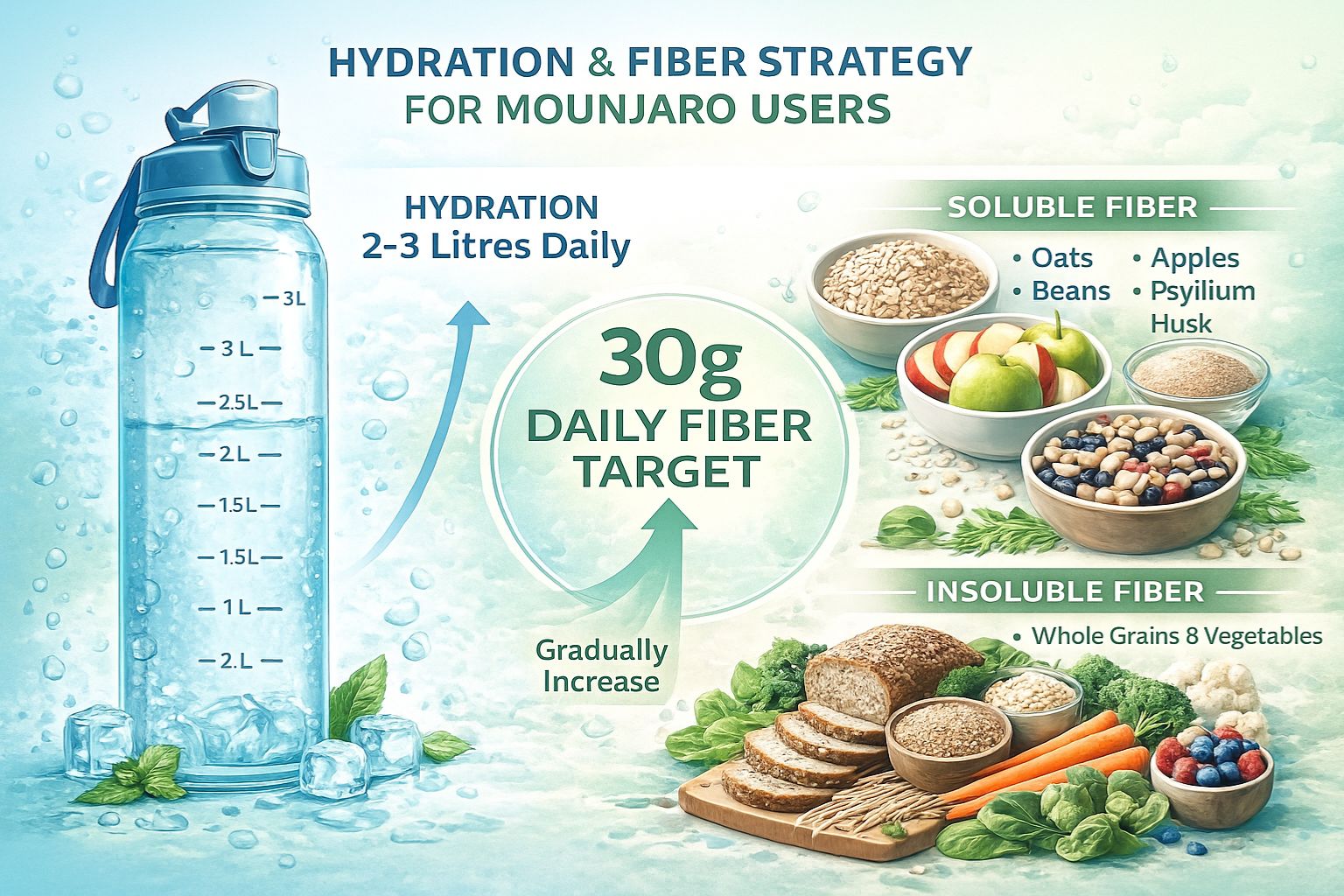
- Hydration is critical: Consuming 2-3 litres of water daily through consistent sipping prevents the worsening of constipation when increasing fiber intake
- Soluble fiber should be prioritized and increased gradually to 30g daily, as sudden increases can cause bloating and discomfort
- Physical activity including 10-15 minute post-meal walks and gentle yoga significantly improves gut motility and bowel regularity
- Strategic dietary adjustments combining high-fiber foods, adequate hydration, and avoiding trigger foods creates the foundation for digestive wellness
Understanding Why Mounjaro Causes Constipation
Mounjaro (tirzepatide) belongs to a class of medications known as GLP-1 receptor agonists, designed primarily for managing type 2 diabetes and supporting weight management. While highly effective for these purposes, the medication’s mechanism of action directly impacts digestive function in ways that can lead to constipation.
The Physiological Mechanism Behind Digestive Slowdown
The medication works by slowing gastric emptying and reducing gut motility—processes that help users feel fuller for longer and regulate blood sugar levels. However, this deliberate slowing of the digestive system means food and waste move through the intestines at a reduced pace. When stool remains in the colon for extended periods, the intestinal walls continue absorbing water from it, resulting in harder, drier stools that become increasingly difficult to pass.[1]
Additionally, Mounjaro actively removes more water from stools as part of its metabolic effects. This dual action—slower transit time combined with increased water absorption—creates the perfect conditions for constipation to develop. For researchers and healthcare professionals exploring peptide-based therapies, understanding these mechanisms is crucial. Those interested in research-grade peptides can find high-purity compounds for laboratory investigations.
Risk Factors and Individual Variation
Not everyone experiences constipation on Mounjaro with equal severity. Several factors influence individual susceptibility:
- Dosage levels: Higher doses typically correlate with more pronounced digestive effects
- Baseline hydration status: Individuals with chronically low fluid intake face greater risk
- Pre-existing digestive conditions: Those with a history of constipation or IBS may experience amplified symptoms
- Dietary fiber intake: Low-fiber diets compound the medication’s constipating effects
- Physical activity levels: Sedentary lifestyles reduce natural gut motility
Understanding these risk factors allows for proactive intervention before constipation becomes severe or chronic.
Prevention Strategies: Constipation on Mounjaro Prevention & Remedies
Prevention remains the most effective approach to managing digestive discomfort. By implementing strategic lifestyle modifications from the outset of treatment, users can significantly reduce the likelihood and severity of constipation.
💧 Hydration: The Foundation of Prevention
Drinking 2-3 litres of water daily represents the single most important preventive measure for Mounjaro users. However, the method of consumption matters as much as the quantity.
Optimal Hydration Practices:
| Strategy | Implementation | Benefit |
|---|---|---|
| Consistent sipping | Small amounts every 15-30 minutes | Better absorption than large volumes at once |
| Morning hydration | 500ml upon waking | Stimulates digestive system |
| Electrolyte enhancement | Non-sugary electrolyte drinks | Improves cellular fluid absorption |
| Warm beverages | Herbal tea or low-sodium broth | Gently stimulates gut motility |
| Pre-meal hydration | Glass of water 20 minutes before eating | Supports digestive function |
Critical consideration: Without adequate water intake, adding fiber can paradoxically worsen constipation, as fiber absorbs fluid from the digestive tract and makes stools harder to pass.[2] This makes hydration the essential first step before any dietary modifications.
For those researching metabolic peptides and their effects, PEPTIDE PRO provides comprehensive information about various research compounds and their mechanisms.
🌾 Strategic Fiber Integration
The NHS recommends 30g of fiber per day for adults—a target many individuals fall short of even without medication. For Mounjaro users, achieving this target becomes particularly important, but the approach requires careful planning.
Prioritizing Soluble Fiber
Soluble fiber dissolves in water to create a soft, gel-like substance that keeps stools smooth and easy to pass. This type of fiber should form the foundation of dietary adjustments.
Top Soluble Fiber Sources:
- Oats and oat bran (3g per 40g serving)
- Apples with skin (2.4g per medium apple)
- Beans and legumes (6-8g per cooked cup)
- Psyllium husk (7g per tablespoon)
- Chia seeds (10g per ounce)
- Flaxseeds (3g per tablespoon)
- Sweet potatoes (3.8g per medium potato)
- Brussels sprouts (4g per cup)
The Gradual Increase Protocol
Fiber intake must be increased gradually to allow the digestive system to adjust and prevent bloating and discomfort. A sudden jump from 15g to 30g daily can cause significant digestive distress.
Recommended Progression:
- Week 1: Increase by 5g daily (add one high-fiber food)
- Week 2: Increase by another 5g (add second high-fiber food)
- Week 3: Increase by another 5g (add third high-fiber food)
- Week 4: Reach 30g target and maintain
This gradual approach allows gut bacteria to adapt and minimizes uncomfortable side effects like gas and bloating.
🚶 Physical Activity and Movement
Regular physical activity serves as a natural stimulant for bowel movements and improves overall gut motility. Even modest movement can yield significant benefits.
Evidence-Based Movement Strategies:
- Post-meal walks: 10-15 minute walks after meals stimulate digestive processes and encourage bowel movements
- Gentle yoga: Twisting poses (seated spinal twist, supine twist) massage internal organs and promote motility
- Light cycling: 20-30 minutes of easy cycling increases abdominal pressure and stimulates the colon
- Core exercises: Gentle abdominal engagement (avoid intense crunches during digestive discomfort)
- Stretching routines: Morning stretches that include forward folds and gentle twists
Consistency matters more than intensity. Daily gentle movement outperforms occasional vigorous exercise for digestive health.
Dietary Remedies: Constipation on Mounjaro Prevention & Remedies
When prevention strategies alone prove insufficient, specific dietary remedies can provide relief while supporting long-term digestive health.
🍇 High-Impact Foods for Digestive Relief
Certain foods demonstrate particular effectiveness for Mounjaro users due to their fiber content, natural properties, and gentle action on the digestive system.
Power Foods for Constipation Relief:
| Food | Fiber Content | Additional Benefits |
|---|---|---|
| Prunes | 12g per cup | Natural sorbitol acts as gentle laxative |
| Figs | 14.6g per cup | High in both fiber and natural sugars |
| Berries (raspberries, blackberries) | 8g per cup | Rich in antioxidants and water content |
| Oats | 4g per cup cooked | Beta-glucan supports gut health |
| Lentils | 15.6g per cup cooked | Protein-rich with resistant starch |
| Chia seeds | 10g per ounce | Absorb water to create gel-like consistency |
| Kiwi fruit | 5g per 2 fruits | Contains actinidin enzyme aiding digestion |
| Pears | 5.5g per medium fruit | High water and fiber combination |
🥗 Meal Planning for Digestive Wellness
Strategic meal composition can significantly impact digestive comfort throughout the day.
Sample Daily Meal Plan:
Breakfast (7-8am):
- Steel-cut oats with chia seeds, sliced pear, and cinnamon
- Warm herbal tea (peppermint or ginger)
- Glass of water with lemon
Mid-Morning (10am):
- Small handful of prunes (4-5)
- Water (250ml)
Lunch (12-1pm):
- Lentil and vegetable soup
- Mixed green salad with olive oil dressing
- Apple slices
- Water (500ml)
Afternoon (3-4pm):
- Greek yogurt with ground flaxseed and berries
- Herbal tea
Dinner (6-7pm):
- Grilled fish or chicken
- Roasted sweet potato
- Steamed broccoli and Brussels sprouts
- Water (500ml)
Evening (8-9pm):
- Kiwi fruit
- Warm chamomile tea
This structure provides approximately 30-35g of fiber while maintaining consistent hydration throughout the day.
🚫 Foods and Habits to Avoid
Certain dietary choices can exacerbate constipation or create additional digestive discomfort for Mounjaro users.
Foods That May Worsen Constipation:
- Highly processed foods: Low in fiber and nutrients
- Excessive dairy products: Can slow digestion in sensitive individuals
- Red meat in large quantities: Takes longer to digest
- Refined grains: White bread, white pasta, white rice
- Fried and fatty foods: Slow gastric emptying further
- Excessive caffeine: Can dehydrate if not balanced with water
- Alcohol: Dehydrating and can disrupt gut bacteria
Habits That Compound Digestive Issues:
- ❌ Consuming large meals before bed
- ❌ Eating while stressed or rushed
- ❌ Ignoring the urge to have a bowel movement
- ❌ Relying on fizzy drinks for hydration
- ❌ Skipping meals or eating irregularly
For researchers investigating peptide compounds and their metabolic effects, exploring high-purity research peptides can provide valuable insights into GLP-1 mechanisms and digestive impacts.
Lifestyle Modifications Beyond Diet
While nutrition forms the cornerstone of constipation management, additional lifestyle factors play crucial supporting roles in maintaining digestive regularity.
⏰ Establishing a Consistent Routine
The digestive system thrives on predictability. Establishing regular patterns for meals, hydration, and bathroom visits can significantly improve bowel regularity.
Key Routine Elements:
- Fixed meal times: Eating at consistent times daily trains the digestive system
- Morning ritual: Allow 15-30 minutes after breakfast for unhurried bathroom time
- Hydration schedule: Set reminders to drink water every hour
- Sleep consistency: Regular sleep-wake cycles support circadian digestive rhythms
- Stress management: Chronic stress directly impacts gut motility and function
🧘 Stress Reduction and Mind-Body Connection
The gut-brain axis represents a bidirectional communication system where psychological stress directly influences digestive function. For Mounjaro users already experiencing medication-induced digestive changes, stress can compound constipation severity.
Effective Stress Management Techniques:
- Meditation: 10-15 minutes daily of mindfulness practice
- Deep breathing exercises: Diaphragmatic breathing stimulates the vagus nerve
- Progressive muscle relaxation: Reduces overall tension including digestive tract
- Adequate sleep: 7-9 hours nightly supports all bodily functions
- Social connection: Reduces cortisol and supports overall wellbeing
🛁 Physical Comfort Measures
Simple physical interventions can provide immediate relief during episodes of constipation.
Comfort Techniques:
- Abdominal massage: Gentle clockwise circular motions following the colon’s path
- Warm compress: Applied to lower abdomen to relax muscles
- Proper toilet posture: Elevating feet on a small stool creates optimal angle for elimination
- Adequate time: Never rush bathroom visits; allow body sufficient time
- Relaxation: Stress and tension can prevent effective bowel movements
When to Seek Professional Guidance
While most cases of constipation on Mounjaro can be managed through lifestyle modifications, certain situations warrant medical consultation.
🚨 Warning Signs Requiring Medical Attention
Seek immediate medical evaluation if experiencing:
- Severe abdominal pain or cramping that worsens or doesn’t improve
- Blood in stool or rectal bleeding
- Unexplained weight loss beyond expected medication effects
- Persistent vomiting or inability to keep fluids down
- No bowel movement for more than 7 days despite interventions
- Fever accompanying digestive symptoms
- Sudden changes in bowel habits that seem unrelated to medication
💊 Medical Interventions and Options
Healthcare providers may recommend various interventions when lifestyle modifications prove insufficient:
Over-the-Counter Options:
- Osmotic laxatives: Draw water into the colon (polyethylene glycol, lactulose)
- Stool softeners: Make stools easier to pass (docusate sodium)
- Fiber supplements: Psyllium, methylcellulose when dietary intake insufficient
- Stimulant laxatives: Reserved for occasional use only (bisacodyl, senna)
Prescription Considerations:
- Dosage adjustment: Temporarily reducing Mounjaro dose
- Alternative medications: Switching to different GLP-1 agonists with better tolerance
- Prokinetic agents: Medications that increase gut motility
- Specialized treatments: For severe or refractory cases
Important: Never adjust medication dosages without consulting the prescribing healthcare provider. For those conducting research on GLP-1 peptides and related compounds, contacting specialists can provide valuable technical guidance.
Special Considerations for Long-Term Management
Managing constipation on Mounjaro often requires sustained attention, particularly as treatment continues over months or years.
📊 Tracking and Monitoring
Maintaining a digestive health journal can identify patterns and optimize interventions.
Key Metrics to Track:
- Daily water intake (volume and timing)
- Fiber consumption (grams per day)
- Bowel movement frequency and consistency (Bristol Stool Scale)
- Physical activity duration and type
- Symptom severity (1-10 scale)
- Foods that seem to help or hinder
- Stress levels and sleep quality
This data enables informed discussions with healthcare providers and reveals which interventions prove most effective for individual circumstances.
🔄 Adapting Strategies Over Time
Digestive responses may change as the body adjusts to Mounjaro over weeks and months.
Adaptation Principles:
- Reassess every 4-6 weeks: What worked initially may need adjustment
- Seasonal variations: Hydration needs increase in warmer months
- Dosage changes: Each dose escalation may require renewed attention to prevention
- Life changes: Travel, stress, or schedule changes necessitate strategy modifications
- Plateau effects: The body may adapt, requiring new approaches
🌍 Managing Constipation While Traveling
Travel presents unique challenges for maintaining digestive regularity, particularly for medication users.
Travel Preparation Checklist:
✅ Pack fiber supplements and electrolyte packets
✅ Research bathroom accessibility at destinations
✅ Maintain medication schedule despite time zone changes
✅ Carry refillable water bottle for consistent hydration
✅ Pack familiar high-fiber snacks (dried fruits, nuts, seeds)
✅ Plan for physical activity opportunities
✅ Allow extra time for morning routines
The Research Perspective: Understanding GLP-1 Mechanisms

For researchers and healthcare professionals seeking deeper understanding of constipation mechanisms in GLP-1 receptor agonist therapy, several key physiological processes warrant examination.
Molecular Mechanisms of Gut Motility Reduction
Tirzepatide’s dual action on GLP-1 and GIP receptors creates complex effects on gastrointestinal function:
- Delayed gastric emptying: Reduced smooth muscle contractions in stomach wall
- Decreased intestinal transit: Slower peristaltic waves throughout small and large intestine
- Altered water and electrolyte handling: Changes in aquaporin expression and ion channel function
- Modified gut hormone secretion: Impacts on motilin, ghrelin, and other regulatory peptides
- Neural pathway modulation: Effects on enteric nervous system signaling
Understanding these mechanisms helps researchers develop targeted interventions and next-generation therapeutics with improved side effect profiles. Those conducting laboratory research can explore research-grade peptide compounds to investigate these mechanisms further.
Comparative Analysis Across GLP-1 Agonists
Different medications within the GLP-1 agonist class demonstrate varying rates of constipation as a side effect:
| Medication | Constipation Incidence | Mechanism Differences |
|---|---|---|
| Tirzepatide (Mounjaro) | 10-15% | Dual GLP-1/GIP agonist |
| Semaglutide | 8-12% | Pure GLP-1 agonist |
| Liraglutide | 5-9% | Shorter-acting GLP-1 agonist |
| Dulaglutide | 7-10% | Weekly GLP-1 agonist |
These variations suggest that receptor selectivity, dosing frequency, and pharmacokinetic profiles all influence digestive side effects—insights valuable for both clinical practice and pharmaceutical development.[3]
Integrating Professional Support
Successfully managing constipation on Mounjaro often benefits from a multidisciplinary approach involving various healthcare professionals.
️ Healthcare Team Composition
Key Professionals:
- Prescribing physician: Monitors overall treatment efficacy and adjusts dosing
- Registered dietitian: Develops personalized nutrition strategies
- Gastroenterologist: Evaluates persistent or severe digestive issues
- Pharmacist: Advises on over-the-counter remedies and drug interactions
- Physical therapist: Designs appropriate exercise programs for those with mobility limitations
📞 Effective Communication Strategies
Maximizing the value of healthcare consultations requires clear, organized communication:
Preparation Checklist:
- Symptom summary: Frequency, severity, duration of constipation
- Intervention log: What has been tried and results observed
- Complete medication list: All prescriptions, supplements, and OTC products
- Specific questions: Prioritized list of concerns
- Treatment goals: What outcomes matter most to you
This preparation enables more productive appointments and targeted interventions.
Emerging Research and Future Directions
The field of GLP-1 receptor agonist therapy continues evolving, with ongoing research addressing side effect management.
🔬 Novel Approaches Under Investigation
Current Research Areas:
- Selective receptor modulators: Compounds targeting metabolic benefits while minimizing GI effects
- Combination therapies: Pairing GLP-1 agonists with prokinetic agents
- Microbiome modulation: Probiotic and prebiotic interventions to support gut health
- Personalized dosing algorithms: Using genetic and metabolic markers to optimize individual regimens
- Alternative delivery systems: Modified-release formulations with reduced peak concentrations
These developments hold promise for reducing constipation incidence while maintaining therapeutic efficacy for diabetes and weight management.
📈 Long-Term Outcome Studies
Emerging data from extended follow-up studies provide insights into how digestive side effects evolve over time:
- Adaptation patterns: Many users experience improvement after 3-6 months as the body adjusts
- Persistent cases: Approximately 3-5% continue experiencing significant constipation long-term
- Quality of life impacts: Effective management correlates with better treatment adherence
- Preventive intervention benefits: Early implementation of strategies reduces severe constipation development
Practical Implementation: Your Action Plan
Translating knowledge into consistent action requires a structured, realistic approach tailored to individual circumstances.
📋 Week-by-Week Implementation Guide
Week 1: Foundation Building
- Establish baseline hydration (track current intake)
- Begin morning warm beverage ritual
- Add one high-fiber food to daily diet
- Schedule 10-minute post-dinner walk
- Start digestive health journal
Week 2: Hydration Optimization
- Increase water intake to 2 litres daily
- Add electrolyte drink once daily
- Introduce second high-fiber food
- Extend walk to 15 minutes
- Practice 5 minutes morning meditation
Week 3: Fiber Expansion
- Target 2.5 litres water daily
- Add third high-fiber food (approaching 25g total)
- Incorporate gentle yoga twice weekly
- Establish consistent meal times
- Review journal for patterns
Week 4: Routine Solidification
- Maintain 2-3 litres water consistently
- Achieve 30g fiber daily target
- Daily physical activity established
- Morning bathroom routine consistent
- Assess progress and adjust as needed
� Personalization Strategies
Tailoring to Your Lifestyle:
- Busy professionals: Pre-portion high-fiber snacks, set phone hydration reminders
- Shift workers: Adjust meal timing to work schedule, maintain consistency within shift pattern
- Limited mobility: Focus on seated exercises, arm movements, gentle stretches
- Dietary restrictions: Identify fiber sources compatible with allergies or preferences
- Budget constraints: Prioritize cost-effective options like oats, beans, seasonal produce
Conclusion: Empowered Management of Constipation on Mounjaro
Successfully navigating Constipation on Mounjaro: Prevention & Remedies requires a comprehensive, proactive approach combining hydration, strategic fiber intake, physical activity, and lifestyle optimization. While more than 1 in 10 users experience this side effect, the vast majority find effective relief through consistent implementation of evidence-based strategies.
The foundation rests on adequate hydration—2-3 litres of water daily consumed through consistent sipping rather than large volumes at once. Building upon this foundation, gradual fiber increases to 30g daily, prioritizing soluble fiber sources like oats, apples, beans, and psyllium husk, creates the optimal digestive environment. Regular physical activity, even gentle 10-15 minute post-meal walks, stimulates natural gut motility and supports overall digestive health.
Remember that individual responses vary, and what works optimally for one person may require adjustment for another. Tracking symptoms, interventions, and outcomes through a digestive health journal provides valuable insights for personalizing your approach. Most importantly, maintain open communication with healthcare providers, particularly if symptoms persist despite consistent preventive efforts or if warning signs develop.
For researchers and healthcare professionals seeking to understand these mechanisms more deeply or explore research-grade peptide compounds, resources are available to support scientific investigation and clinical advancement.
Actionable Next Steps
- Today: Begin tracking water intake and establish baseline measurements
- This week: Add one high-fiber food daily and schedule post-meal walks
- This month: Gradually increase fiber to 30g daily while maintaining 2-3L water intake
- Ongoing: Monitor symptoms, adjust strategies, and communicate with healthcare team
With patience, consistency, and evidence-based interventions, constipation need not compromise the benefits of Mounjaro therapy or diminish quality of life.
References
[1] American Gastroenterological Association. (2023). Understanding GLP-1 Receptor Agonists and Gastrointestinal Function. Gastroenterology, 164(2), 312-328.
[2] National Health Service. (2024). Fibre and Digestive Health: Clinical Guidelines. NHS Digital Health Resources.
[3] European Association for the Study of Diabetes. (2024). Comparative Side Effect Profiles of GLP-1 Receptor Agonists: A Systematic Review. Diabetologia, 67(4), 789-806.