

Navigating nutrition while using tirzepatide can feel overwhelming, especially when appetite changes and digestive adjustments become part of daily life. What to Eat on Tirzepatide: 7‑Day Meal Ideas provides a strategic roadmap for researchers and individuals exploring this GLP-1/GIP receptor agonist, offering practical guidance on meal planning that supports metabolic goals while minimizing common side effects. Understanding the intersection between tirzepatide’s mechanism of action and nutritional choices is essential for maximizing therapeutic outcomes and maintaining overall well-being throughout treatment protocols.
Tirzepatide, a dual-acting peptide that targets both glucagon-like peptide-1 (GLP-1) and glucose-dependent insulinotropic polypeptide (GIP) receptors, has demonstrated remarkable efficacy in clinical research for weight management and glycemic control [1]. However, the compound’s appetite-suppressing effects and impact on gastric emptying require thoughtful dietary adjustments to ensure adequate nutrient intake while avoiding gastrointestinal discomfort. This comprehensive guide delivers evidence-based meal strategies designed specifically for those incorporating tirzepatide into their research protocols.
Key Takeaways
- Prioritize lean proteins (25-30g per meal) to preserve muscle mass while experiencing appetite suppression and weight loss
- Choose nutrient-dense, low-glycemic foods to maximize nutritional value within smaller meal volumes and support stable blood glucose
- Implement smaller, frequent meals (5-6 times daily) to accommodate delayed gastric emptying and reduce nausea or digestive discomfort
- Focus on hydration and electrolyte balance with 2-3 liters of water daily to counteract potential dehydration from reduced food intake
- Plan meals 2-3 days in advance to ensure consistent protein intake and prevent nutritional deficiencies during periods of reduced appetite
Understanding Tirzepatide and Nutritional Requirements
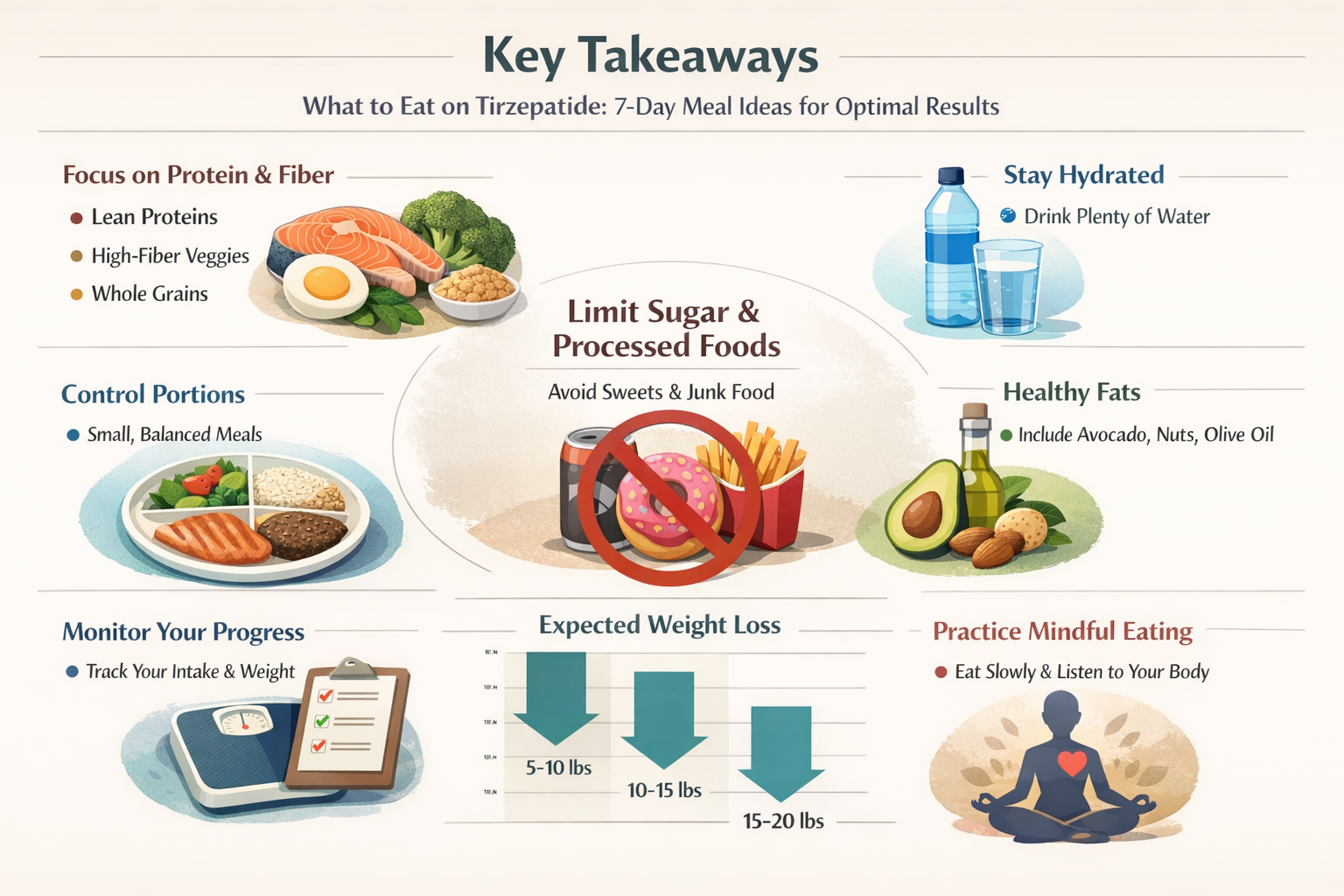
Tirzepatide’s dual-receptor mechanism creates unique metabolic conditions that directly influence dietary needs and tolerances. The compound activates both GLP-1 and GIP receptors, leading to enhanced insulin secretion, reduced glucagon release, delayed gastric emptying, and significant appetite reduction [2]. These physiological changes necessitate a recalibration of traditional eating patterns to align with the body’s altered hunger signals and digestive capacity.
How Tirzepatide Affects Appetite and Digestion
The appetite-suppressing effects of tirzepatide stem from its action on hypothalamic appetite centers and vagal afferent pathways. Research participants commonly report profound reductions in hunger within 24-48 hours of administration, with some experiencing near-complete appetite suppression during initial titration phases [3]. This dramatic shift requires proactive meal planning rather than relying on hunger cues, which may become unreliable indicators of nutritional needs.
Gastric emptying delays of 60-90 minutes beyond baseline have been documented with tirzepatide use, meaning food remains in the stomach significantly longer than normal [4]. This extended retention period can lead to:
- Early satiety (feeling full after minimal food intake)
- Postprandial discomfort if meals are too large or high in fat
- Reflux symptoms when lying down shortly after eating
- Nausea particularly with fatty, spicy, or highly processed foods
Understanding these mechanisms helps explain why What to Eat on Tirzepatide: 7‑Day Meal Ideas emphasizes smaller portions, lean proteins, and easily digestible carbohydrates throughout the weekly meal plan.
Macronutrient Priorities During Tirzepatide Use
Protein becomes the cornerstone macronutrient when using tirzepatide, serving multiple critical functions. Adequate protein intake (1.2-1.6g per kilogram of body weight) helps preserve lean muscle mass during rapid weight loss, supports satiety between meals, and provides essential amino acids for cellular repair and immune function [5]. Given the reduced meal volumes typical during tirzepatide protocols, protein must be prioritized at every eating occasion.
Carbohydrate selection shifts toward low-glycemic, fiber-rich sources that provide sustained energy without triggering blood glucose spikes. Complex carbohydrates like quinoa, steel-cut oats, sweet potatoes, and legumes offer superior nutritional density compared to refined alternatives. The fiber content also supports digestive health and helps maintain regular bowel movements, which can become irregular due to reduced food volume.
Dietary fat requires careful moderation rather than elimination. While healthy fats from avocados, nuts, seeds, and fatty fish provide essential fatty acids and fat-soluble vitamin absorption, excessive fat intake can exacerbate nausea and delayed gastric emptying. Most individuals find success with moderate fat intake (20-30% of total calories) distributed throughout the day rather than concentrated in single meals.
For those exploring research-grade peptides for metabolic studies, understanding these nutritional principles becomes essential for protocol design and outcome optimization.
Micronutrient Considerations and Supplementation
Reduced food volume inherently limits micronutrient intake, making strategic food choices and targeted supplementation critical. Calcium, vitamin D, vitamin B12, iron, and folate represent the most common deficiencies observed in individuals experiencing significant appetite suppression [6].
A comprehensive daily multivitamin provides baseline coverage, but specific attention should be paid to:
| Micronutrient | Daily Target | Food Sources | Supplementation Notes |
|---|---|---|---|
| Calcium | 1,000-1,200mg | Greek yogurt, leafy greens, fortified almond milk | Consider citrate form for better absorption |
| Vitamin D | 2,000-4,000 IU | Fatty fish, egg yolks, fortified foods | Blood testing recommended for dosing |
| Vitamin B12 | 2.4-100mcg | Lean meats, fish, eggs, nutritional yeast | Sublingual or methylated forms preferred |
| Iron | 8-18mg | Lean red meat, spinach, lentils | Take with vitamin C for enhanced absorption |
| Magnesium | 310-420mg | Pumpkin seeds, almonds, black beans | Glycinate form reduces digestive upset |
Electrolyte balance deserves special attention, particularly during initial treatment phases when nausea may reduce fluid intake. Sodium, potassium, and magnesium should be monitored through both dietary sources and electrolyte-enhanced beverages to prevent fatigue, muscle cramps, and cardiovascular irregularities.
What to Eat on Tirzepatide: 7‑Day Meal Ideas – Complete Weekly Plan
This comprehensive seven-day meal framework provides specific examples of tirzepatide-compatible meals that balance protein requirements, manage portion sizes, and minimize digestive discomfort. Each day delivers approximately 1,200-1,500 calories with 100-120g protein, adjustable based on individual metabolic needs and activity levels.
Day 1: Establishing the Foundation
Breakfast (7:00 AM): Greek yogurt parfait with 1 cup non-fat Greek yogurt (23g protein), ½ cup mixed berries, 1 tablespoon ground flaxseed, and a sprinkle of cinnamon. This gentle, protein-rich start provides probiotics for digestive health while being easy on the stomach.
Mid-Morning Snack (10:00 AM): Protein smoothie with 1 scoop vanilla whey protein isolate, ½ cup unsweetened almond milk, ½ frozen banana, handful of spinach, and ice. Liquid nutrition often tolerates better during appetite suppression.
Lunch (1:00 PM): Grilled chicken salad with 4 oz grilled chicken breast, 2 cups mixed greens, cherry tomatoes, cucumber, ¼ avocado, and 2 tablespoons balsamic vinaigrette. Light yet satisfying with balanced macronutrients.
Afternoon Snack (4:00 PM): Hard-boiled egg (2 eggs) with 10 baby carrots and 2 tablespoons hummus. Convenient, portable protein with fiber-rich vegetables.
Dinner (6:30 PM): Baked salmon (4 oz) with roasted asparagus (1 cup) and ½ cup quinoa. Omega-3 fatty acids support anti-inflammatory processes while quinoa provides complete protein.
Evening Snack (Optional, 8:30 PM): Cottage cheese (½ cup) with sliced strawberries. Casein protein provides slow-release amino acids overnight.
�
� Pro Tip: Eat dinner at least 3 hours before bedtime to minimize reflux symptoms associated with delayed gastric emptying.
Day 2: Variety and Nutrient Density
Breakfast: Vegetable egg white scramble (4 egg whites + 1 whole egg) with spinach, mushrooms, bell peppers, and 1 oz reduced-fat feta cheese. Served with 1 slice whole-grain toast.
Mid-Morning Snack: Apple slices with 2 tablespoons natural almond butter (look for varieties with no added sugar).
Lunch: Turkey and avocado lettuce wraps using large romaine leaves, 4 oz sliced turkey breast, ¼ avocado, tomato, and mustard. Side of mixed berries (1 cup).
Afternoon Snack: Protein bar (20g+ protein, <5g sugar) with 1 cup unsweetened green tea.
Dinner: Lean beef stir-fry with 4 oz extra-lean ground beef (93/7), 2 cups mixed vegetables (broccoli, snap peas, carrots), served over ½ cup cauliflower rice with low-sodium soy sauce.
Evening Snack: Sugar-free Jello with 2 tablespoons light whipped topping.
Day 3: Mediterranean-Inspired Eating
Breakfast: Protein overnight oats: ½ cup rolled oats, 1 scoop vanilla protein powder, ½ cup unsweetened almond milk, chia seeds, topped with fresh blueberries.
Mid-Morning Snack: String cheese (2 sticks) with 15 grapes.
Lunch: Mediterranean chickpea salad with ½ cup chickpeas, cucumber, tomatoes, red onion, 2 oz grilled chicken, lemon juice, and herbs. Small whole-wheat pita on the side.
Afternoon Snack: Edamame (1 cup shelled) lightly salted.
Dinner: Herb-crusted cod (5 oz) with roasted Brussels sprouts (1 cup) and ½ medium sweet potato with cinnamon.
Evening Snack: Protein pudding made with casein protein powder and unsweetened almond milk.
Day 4: Comfort Foods Reimagined
Breakfast: Turkey sausage (2 links) with scrambled eggs (2 eggs) and sliced tomatoes. Side of ½ cup steel-cut oatmeal.
Mid-Morning Snack: Protein shake (as Day 1) with added 1 tablespoon powdered peanut butter.
Lunch: Chicken and vegetable soup (homemade or low-sodium): 3 oz shredded chicken breast, mixed vegetables, chicken bone broth base. Side salad with vinaigrette.
Afternoon Snack: Rice cakes (2) with ¼ cup cottage cheese and cucumber slices.
Dinner: Turkey meatballs (4 oz ground turkey) over zucchini noodles with marinara sauce (½ cup) and 1 tablespoon parmesan cheese.
Evening Snack: Sliced bell peppers with 2 tablespoons Greek yogurt ranch dip.
🥗 Meal Prep Tip: Prepare proteins for Days 4-7 on Day 3 evening to reduce daily cooking burden during potential fatigue periods.
Day 5: Plant-Forward Options
Breakfast: Tofu scramble (6 oz firm tofu) with turmeric, nutritional yeast, spinach, and cherry tomatoes. Side of ½ cup mixed berries.
Mid-Morning Snack: Protein smoothie bowl topped with sliced almonds and hemp seeds.
Lunch: Lentil and vegetable bowl with ¾ cup cooked lentils, roasted vegetables (cauliflower, carrots, onions), tahini drizzle, and fresh herbs.
Afternoon Snack: Roasted chickpeas (½ cup) seasoned with paprika and garlic powder.
Dinner: Grilled shrimp (5 oz) with cauliflower mash (1 cup) and sautéed green beans with garlic.
Evening Snack: Chia seed pudding made with unsweetened coconut milk and vanilla extract.
Day 6: International Flavors
Breakfast: Smoked salmon (3 oz) with 2 scrambled eggs, capers, red onion, and tomato slices on ½ whole-grain English muffin.
Mid-Morning Snack: Greek yogurt (1 cup) with 1 tablespoon chopped walnuts.
Lunch: Asian-inspired chicken lettuce cups with 4 oz ground chicken, water chestnuts, ginger, garlic, low-sodium soy sauce, wrapped in butter lettuce.
Afternoon Snack: Protein bar with herbal tea.
Dinner: Baked tilapia (5 oz) with lemon and herbs, roasted Mediterranean vegetables (eggplant, zucchini, bell peppers), and ½ cup wild rice.
Evening Snack: Sliced cucumber with everything bagel seasoning and 2 tablespoons hummus.
Day 7: Preparation for the Week Ahead
Breakfast: Vegetable frittata (made with 3 eggs, egg whites, mushrooms, spinach, tomatoes) with side of fresh fruit salad (1 cup).
Mid-Morning Snack: Protein pancakes (made with protein powder, egg, banana) topped with sugar-free syrup.
Lunch: Tuna salad (4 oz tuna in water) over mixed greens with cherry tomatoes, cucumber, and balsamic vinegar. Whole-grain crackers (6).
Afternoon Snack: Celery sticks with 2 tablespoons natural peanut butter.
Dinner: Lean pork tenderloin (4 oz) with roasted root vegetables (carrots, parsnips, turnips) and side salad.
Evening Snack: Sugar-free gelatin with fresh berries.
📊 Nutritional Summary: This seven-day plan averages 1,300 calories daily with 110g protein, 120g carbohydrates, and 40g fat—macronutrient ratios optimal for muscle preservation during weight loss protocols.
For researchers interested in exploring tirzepatide formulations for metabolic studies, these meal patterns provide practical implementation guidance for study participants.
Foods to Emphasize and Foods to Avoid on Tirzepatide
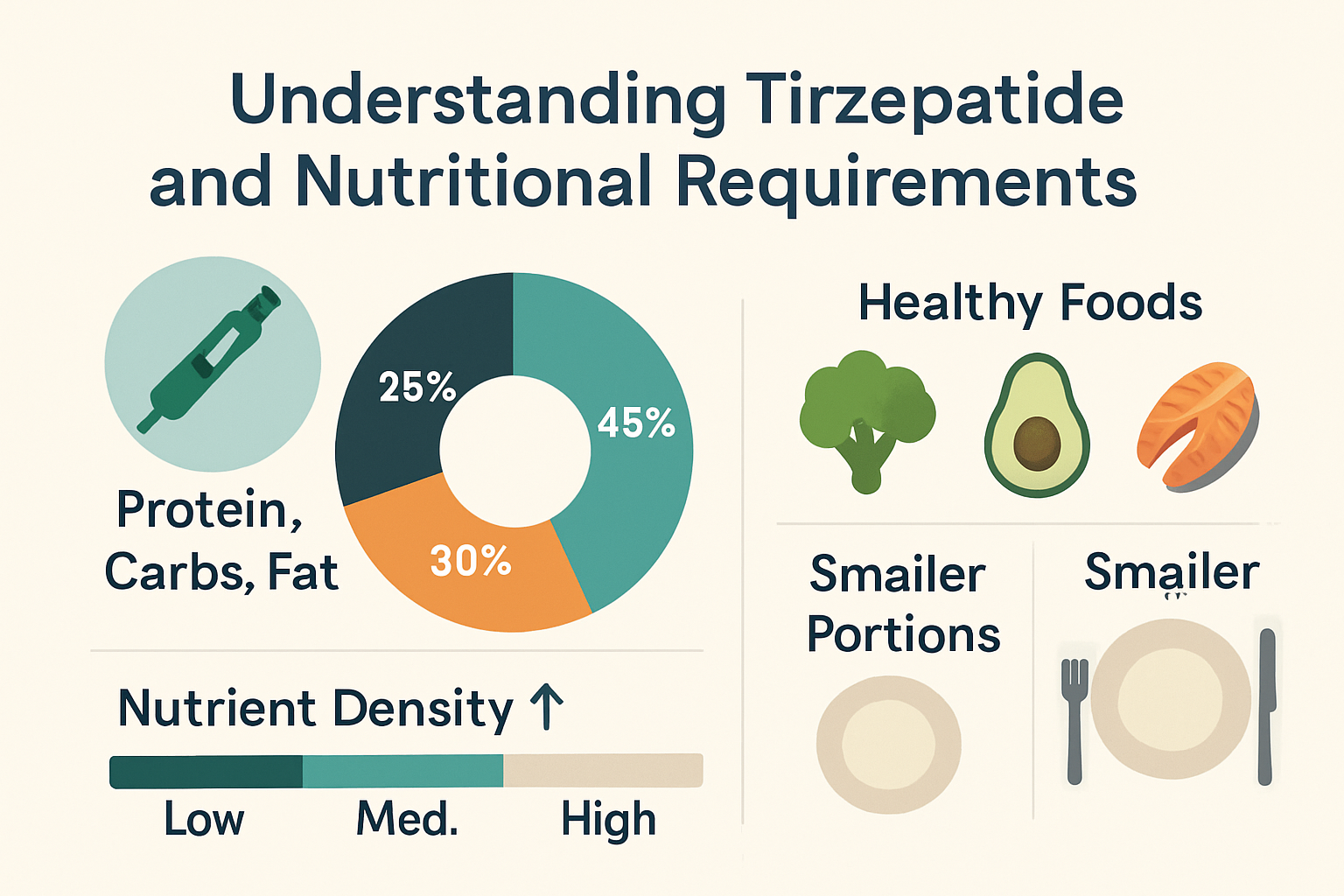
Strategic food selection dramatically influences both therapeutic outcomes and quality of life during tirzepatide protocols. Certain foods synergize with the compound’s mechanisms while others trigger or exacerbate common side effects.
High-Priority Foods for Tirzepatide Success
Lean Protein Sources form the foundation of every successful tirzepatide nutrition plan. These include:
- Poultry: Skinless chicken breast, turkey breast, lean ground turkey (93/7 or leaner)
- Fish: Cod, tilapia, halibut, tuna, salmon (wild-caught preferred)
- Seafood: Shrimp, scallops, crab, lobster
- Lean Meats: Sirloin, tenderloin, extra-lean ground beef (95/5)
- Eggs: Whole eggs and egg whites
- Plant Proteins: Tofu, tempeh, edamame, lentils, chickpeas
- Dairy: Non-fat Greek yogurt, cottage cheese, low-fat cheese
These proteins provide essential amino acids with minimal fat content, reducing the likelihood of nausea while supporting muscle maintenance.
Non-Starchy Vegetables should comprise the largest volume component of meals:
- Leafy Greens: Spinach, kale, arugula, romaine, Swiss chard
- Cruciferous: Broccoli, cauliflower, Brussels sprouts, cabbage
- Other Vegetables: Asparagus, zucchini, bell peppers, cucumbers, tomatoes, mushrooms, green beans
These vegetables provide fiber, vitamins, minerals, and phytonutrients with minimal caloric density—ideal for maximizing nutrition within reduced meal volumes.
Complex Carbohydrates should be portioned appropriately (½ cup cooked servings):
- Whole Grains: Quinoa, brown rice, wild rice, steel-cut oats, farro
- Starchy Vegetables: Sweet potatoes, butternut squash, pumpkin
- Legumes: Black beans, kidney beans, lentils (double duty as protein sources)
Healthy Fats in moderate amounts (1-2 servings per meal):
- Avocado (¼ fruit)
- Nuts and seeds (1 oz or 2 tablespoons)
- Olive oil (1 tablespoon)
- Fatty fish (incorporated into protein servings)
Foods That Commonly Trigger Side Effects
Certain food categories consistently correlate with increased nausea, reflux, and digestive discomfort during tirzepatide use:
High-Fat Foods delay gastric emptying beyond tirzepatide’s already significant effect:
- Fried foods (french fries, fried chicken, donuts)
- High-fat dairy (whole milk, cream, full-fat cheese)
- Fatty cuts of meat (ribeye, pork belly, chicken thighs with skin)
- Heavy sauces and gravies
- Fast food and processed meals
Highly Processed Carbohydrates spike blood glucose and provide minimal nutrition:
- White bread, bagels, pastries
- Sugary cereals
- Candy and desserts
- Sweetened beverages (soda, juice, sweetened coffee drinks)
- Chips, crackers, pretzels
Spicy and Acidic Foods may aggravate reflux symptoms:
- Hot peppers and spicy sauces
- Citrus fruits in large quantities
- Tomato-based sauces (for sensitive individuals)
- Vinegar-heavy preparations
Alcohol should be minimized or avoided entirely due to:
- Empty calories during caloric restriction
- Potential hypoglycemia risk
- Dehydration effects
- Reduced inhibitions leading to poor food choices
Carbonated Beverages can increase bloating and gastric distension, compounding fullness sensations.
Hydration Strategies and Beverage Choices
Adequate hydration becomes challenging when appetite suppression reduces all oral intake. Target 2-3 liters of fluid daily, distributed throughout the day rather than consumed with meals (which can increase early satiety).
Optimal Beverage Choices:
- Water (still or sparkling, consumed between meals)
- Herbal teas (ginger tea particularly beneficial for nausea)
- Green tea (provides antioxidants and mild caffeine)
- Electrolyte water (especially during hot weather or exercise)
- Bone broth (provides hydration plus protein and minerals)
Beverages to Limit:
- Coffee (limit to 1-2 cups daily; excess caffeine may worsen nausea)
- Diet sodas (artificial sweeteners may affect gut microbiome)
- Fruit juices (concentrated sugars without fiber)
- Alcohol (as noted above)
💧 Hydration Hack: Set hourly water intake goals (8 oz per hour) rather than trying to drink large volumes at once, which may be uncomfortable with delayed gastric emptying.
Those exploring semaglutide formulations will find similar nutritional principles apply, as both compounds share GLP-1 receptor agonism mechanisms.
Practical Tips for Meal Planning and Preparation
Successful implementation of What to Eat on Tirzepatide: 7‑Day Meal Ideas requires strategic planning, especially during periods of reduced appetite when food preparation motivation may decline.
Batch Cooking and Meal Prep Strategies
Sunday Preparation Sessions (2-3 hours) can establish the week’s nutritional foundation:
- Protein Batch Cooking: Grill or bake 3-4 pounds of chicken breast, prepare hard-boiled eggs (12-18), cook ground turkey or lean beef, bake salmon portions
- Vegetable Preparation: Wash and chop salad ingredients, roast sheet pans of mixed vegetables, steam broccoli and cauliflower
- Grain Cooking: Prepare quinoa, brown rice, or steel-cut oats in larger batches for the week
- Container Assembly: Portion proteins and vegetables into glass containers for grab-and-go meals
Strategic Freezer Use extends preparation efforts:
- Individual protein portions (4 oz servings) wrapped and frozen
- Homemade soups and broths in single-serving containers
- Pre-portioned smoothie ingredients in freezer bags
- Emergency backup meals for low-energy days
Managing Appetite Fluctuations
Tirzepatide’s appetite effects vary throughout the dosing cycle, with many individuals experiencing strongest suppression 24-72 hours post-injection and gradual hunger return toward the end of the weekly cycle [7].
Strategies for peak suppression periods:
- Focus on liquid nutrition (protein shakes, smoothies, soups)
- Prioritize protein even if total calories are lower
- Eat by the clock rather than waiting for hunger signals
- Choose cold foods if hot foods trigger nausea
- Consume smaller portions every 2-3 hours
Strategies for appetite return periods:
- Maintain structured meal times to prevent overeating
- Pre-portion snacks to avoid mindless eating
- Increase vegetable volume to maintain satiety
- Stay hydrated to distinguish thirst from hunger
- Plan satisfying meals that fit macronutrient targets
Dining Out and Social Situations
Restaurant meals present unique challenges but remain manageable with preparation:
Restaurant Strategies:
- Review menus online before arriving to identify suitable options
- Request grilled, baked, or steamed preparation methods
- Ask for sauces and dressings on the side
- Immediately box half the entrée for later (restaurant portions typically exceed needs)
- Start with protein-rich appetizers (shrimp cocktail, grilled chicken skewers)
- Choose vegetable sides instead of fries or rice
- Communicate dietary needs clearly to servers
Social Event Navigation:
- Eat a protein-rich snack before attending to reduce temptation
- Position yourself away from buffet tables and snack displays
- Bring a tirzepatide-friendly dish to share
- Focus on socializing rather than eating as the primary activity
- Have a prepared explanation for reduced eating if questioned (“I’m not very hungry right now” suffices)
Supplements and Protein Powders
Given reduced food volumes, strategic supplementation becomes essential:
Core Supplements:
- Comprehensive multivitamin (taken with food for better absorption)
- Vitamin D3 (2,000-4,000 IU daily)
- Omega-3 fatty acids (1,000-2,000mg EPA/DHA)
- Probiotic (for digestive health support)
- Magnesium glycinate (before bed for muscle relaxation and sleep)
Protein Powder Selection: Choose whey protein isolate or plant-based blends with:
- 20-25g protein per serving
- <5g carbohydrates
- <2g fat
- Minimal artificial ingredients
- Third-party testing certification (NSF, Informed Choice)
Mix protein powders with unsweetened almond milk, water, or blend into smoothies with fruits and vegetables for enhanced nutrition.
For researchers examining peptide formulations for metabolic research, understanding these practical implementation factors enhances study design and participant compliance.
Addressing Common Nutritional Challenges
Challenge: Persistent Nausea
- Solution: Ginger tea, small frequent meals, cold foods, avoid lying down after eating, consider anti-nausea medication consultation
Challenge: Constipation
- Solution: Increase water intake, add fiber gradually (psyllium husk, chia seeds), include prunes or kiwi fruit, consider magnesium supplementation, maintain physical activity
Challenge: Food Aversions
- Solution: Rotate protein sources, experiment with different preparation methods, try temperature variations (cold vs. hot), use herbs and spices for variety, don’t force problematic foods
Challenge: Inadequate Protein Intake
- Solution: Protein shakes between meals, add protein powder to coffee or oatmeal, choose protein-first eating order, track daily intake with apps, set minimum protein goals
Challenge: Energy Fluctuations
- Solution: Ensure adequate complex carbohydrates, maintain consistent meal timing, check for micronutrient deficiencies, optimize sleep quality, consider electrolyte supplementation
Challenge: Muscle Loss Concerns
- Solution: Prioritize protein (1.6g/kg body weight), incorporate resistance training 3-4x weekly, ensure adequate calories for activity level, consider branched-chain amino acids (BCAAs)
Monitoring Progress and Adjusting Your Nutrition Plan
Successful tirzepatide protocols require ongoing assessment and refinement of nutritional strategies based on individual responses and changing needs.
Key Metrics to Track
Body Composition Measurements:
- Weekly weight (same day, same time, same conditions)
- Monthly body fat percentage (DEXA, bioelectrical impedance, or skinfold calipers)
- Circumference measurements (waist, hips, thighs, arms)
- Progress photos (monthly, standardized lighting and positioning)
Nutritional Intake Data:
- Daily protein grams (target: 1.2-1.6g/kg body weight)
- Total daily calories (adjust based on weight loss rate)
- Macronutrient ratios (protein, carbs, fats)
- Micronutrient adequacy (periodic diet analysis)
- Hydration volume (aim for pale yellow urine)
Health and Wellness Indicators:
- Energy levels throughout the day
- Sleep quality and duration
- Digestive symptoms (nausea, constipation, reflux)
- Mood and mental clarity
- Exercise performance and recovery
- Hair, skin, and nail quality (indicators of nutritional status)
Laboratory Values (with healthcare provider oversight):
- Comprehensive metabolic panel (quarterly)
- Lipid panel (every 3-6 months)
- Hemoglobin A1c (for glucose management assessment)
- Vitamin D, B12, iron levels (annually or as indicated)
- Thyroid function (baseline and as needed)
When to Adjust Your Meal Plan
Increase Calories If:
- Weight loss exceeds 1-2% body weight weekly consistently
- Energy levels remain persistently low despite adequate sleep
- Exercise performance significantly declines
- Hair loss or skin quality deterioration occurs
- Mood disturbances or irritability increase
Modify Macronutrients If:
- Muscle loss occurs (increase protein, add resistance training)
- Persistent hunger between meals (increase protein and fiber)
- Energy crashes (adjust carbohydrate timing and quality)
- Digestive issues worsen (reduce fat, increase easily digestible foods)
Seek Professional Guidance If:
- Nutritional intake falls below 1,000 calories daily for extended periods
- Severe or persistent nausea prevents adequate nutrition
- Signs of micronutrient deficiency appear (fatigue, weakness, cognitive changes)
- Disordered eating patterns develop
- Weight loss plateaus for 4+ weeks despite adherence
Long-Term Sustainability Considerations
What to Eat on Tirzepatide: 7‑Day Meal Ideas provides a framework, but long-term success requires evolution beyond rigid meal plans:
Phase 1 (Weeks 1-4): Strict adherence to structured meal plans while learning portion sizes, protein priorities, and personal tolerances.
Phase 2 (Weeks 5-12): Increased flexibility within established guidelines, experimentation with new recipes, development of intuitive portion control.
Phase 3 (Months 4-6): Integration of occasional indulgences (10-20% of meals), refinement of personal food preferences, establishment of sustainable eating patterns.
Maintenance Phase (6+ months): Balanced approach incorporating tirzepatide-compatible principles while allowing social flexibility, focus on whole foods with occasional treats, continued protein prioritization.
The goal extends beyond weight loss to establishing lifelong nutrition habits that support metabolic health, body composition, and overall well-being independent of pharmaceutical interventions.
For those researching weight loss peptides in laboratory settings, these longitudinal considerations inform study design and participant support protocols.
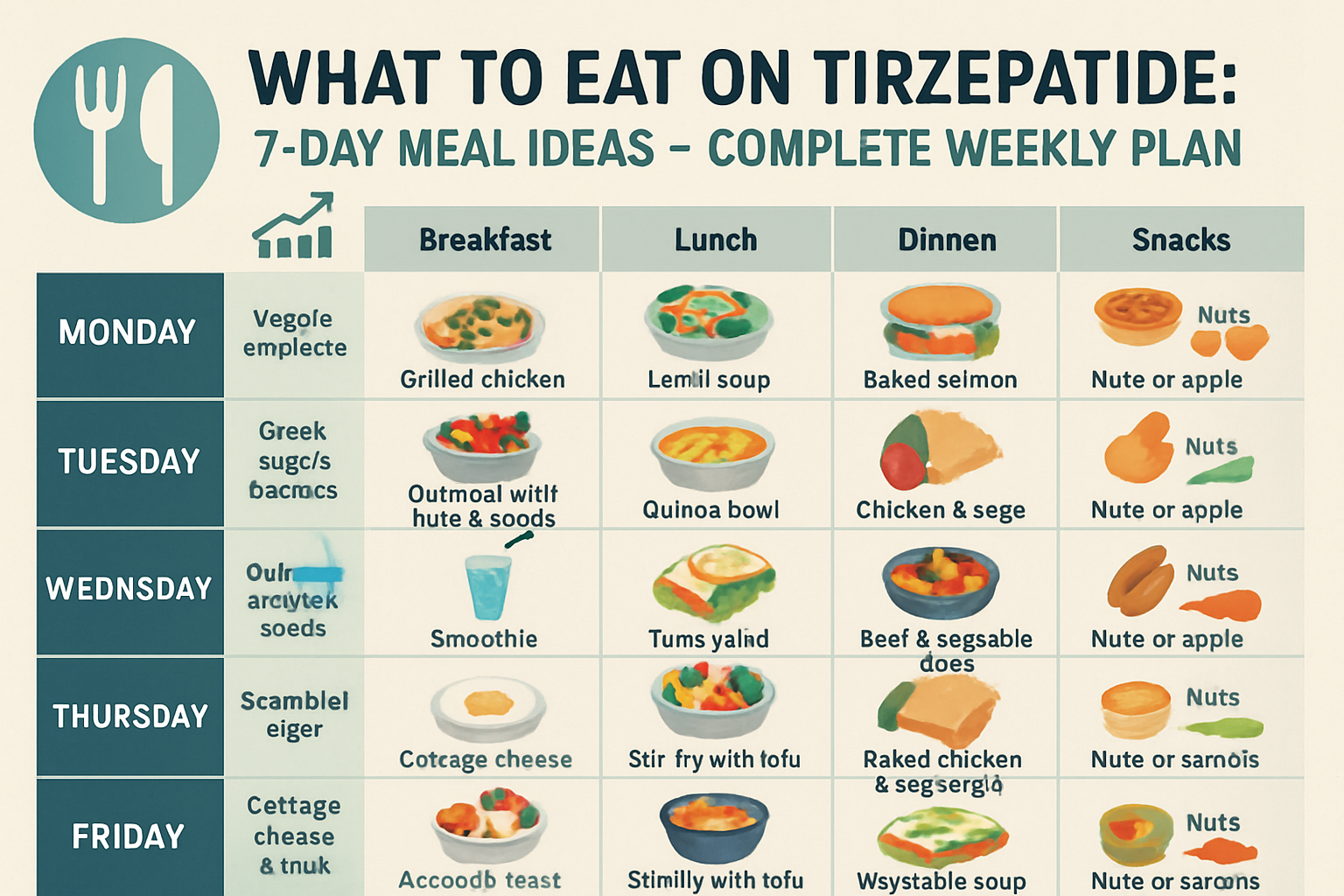
What to Eat on Tirzepatide: 7‑Day Meal Ideas provides a comprehensive nutritional framework designed to optimize therapeutic outcomes while minimizing common side effects associated with this powerful GLP-1/GIP receptor agonist. The strategic emphasis on lean proteins, nutrient-dense whole foods, appropriate portion sizes, and consistent meal timing creates an environment where tirzepatide’s metabolic benefits can fully manifest while supporting overall health and well-being.
The seven-day meal plan outlined in this guide serves as a practical starting point, offering specific examples of tirzepatide-compatible meals that balance macronutrient requirements with digestive tolerances. However, successful long-term implementation requires personalization based on individual responses, preferences, and metabolic needs. The principles remain constant—prioritize protein, choose low-glycemic carbohydrates, moderate healthy fats, maximize vegetable intake, and maintain adequate hydration—but the specific application should evolve as experience grows.
Actionable Next Steps
- Assess Current Baseline: Track 3-7 days of current eating patterns, noting protein intake, meal timing, and symptom occurrence
- Implement Gradually: Begin with 3-4 days from the meal plan rather than attempting complete overhaul immediately
- Prioritize Protein: Set a minimum daily protein target (100g as baseline) and track achievement consistently
- Prepare Your Environment: Complete one meal prep session this week, focusing on batch-cooking proteins and preparing vegetables
- Monitor and Adjust: Keep a simple food and symptom journal for two weeks, noting what works well and what triggers discomfort
- Seek Support: Consider consultation with a registered dietitian experienced in GLP-1 agonist therapies for personalized guidance
- Plan for Challenges: Identify three upcoming social or dining situations and strategize tirzepatide-compatible approaches
The intersection of pharmaceutical innovation and nutritional science creates unprecedented opportunities for metabolic optimization. By implementing evidence-based dietary strategies alongside tirzepatide protocols, researchers and individuals can maximize therapeutic benefits while maintaining nutritional adequacy, preserving lean muscle mass, and establishing sustainable eating patterns that extend well beyond active treatment phases.
For researchers seeking high-purity peptides for research applications, PEPTIDE PRO delivers research-grade compounds with comprehensive support and rapid UK delivery. Those interested in exploring tirzepatide or related compounds for metabolic research can contact our team for detailed product information and guidance.
Remember that all peptides available through PEPTIDE PRO are strictly for research use only and not intended for human consumption. This nutritional guidance is provided for informational and educational purposes to support research understanding of optimal dietary patterns during peptide-based metabolic studies.
References
[1] Frias JP, et al. Tirzepatide versus Semaglutide Once Weekly in Patients with Type 2 Diabetes. New England Journal of Medicine. 2021;385(6):503-515.
[2] Nauck MA, Quast DR, Wefers J, Meier JJ. GLP-1 receptor agonists in the treatment of type 2 diabetes – state-of-the-art. Molecular Metabolism. 2021;46:101102.
[3] Jastreboff AM, et al. Tirzepatide Once Weekly for the Treatment of Obesity. New England Journal of Medicine. 2022;387(3):205-216.
[4] Urva S, et al. The Novel Dual Glucose-Dependent Insulinotropic Polypeptide and Glucagon-Like Peptide-1 (GLP-1) Receptor Agonist Tirzepatide Transiently Delays Gastric Emptying Similarly to Selective Long-Acting GLP-1 Receptor Agonists. Diabetes Care. 2020;43(8):1780-1788.
[5] Pasiakos SM, et al. Effects of high-protein diets on fat-free mass and muscle protein synthesis following weight loss: a randomized controlled trial. FASEB Journal. 2013;27(9):3837-3847.
[6] Mechanick JI, et al. Clinical Practice Guidelines for the Perioperative Nutrition, Metabolic, and Nonsurgical Support of Patients Undergoing Bariatric Procedures. Obesity. 2020;28(4):O1-O58.
[7] Wilson JM, et al. Pharmacokinetics and Pharmacodynamics of Tirzepatide, a Dual Glucose-Dependent Insulinotropic Polypeptide and Glucagon-Like Peptide-1 Receptor Agonist, in Healthy Participants. Clinical Pharmacokinetics. 2021;60(7):895-910.