


When research protocols involve novel peptides like retatrutide, understanding which retatrutide labs to monitor becomes paramount to ensuring subject safety and data integrity. As a triple agonist peptide targeting GIP, GLP-1, and glucagon receptors, retatrutide demonstrates significant metabolic effects that require comprehensive laboratory surveillance throughout research protocols. This systematic approach to monitoring biochemical markers enables researchers to detect potential adverse effects early, optimize dosing strategies, and maintain rigorous safety standards that define professional peptide research.
The complexity of retatrutide’s multi-receptor mechanism demands a sophisticated monitoring framework that extends beyond basic safety panels. Research teams working with this compound must establish baseline values, implement regular testing intervals, and interpret results within the context of metabolic modulation. Whether conducting preliminary investigations or extended research protocols, knowing precisely which laboratory parameters to track—and how frequently—separates professional research operations from inadequate safety practices.
Key Takeaways
- Comprehensive metabolic panels including liver enzymes, kidney function, and lipid profiles form the foundation of retatrutide safety monitoring
- Baseline laboratory values must be established before initiating research protocols to enable accurate comparison and trend analysis
- Testing frequency should align with research phase, with more intensive monitoring during initial exposure and dose escalation periods
- Cardiovascular and endocrine markers require specific attention due to retatrutide’s multi-receptor agonist mechanism
- Professional-grade peptides from verified suppliers like PEPTIDE PRO ensure research consistency and reduce confounding variables in laboratory results
🔬 Understanding Retatrutide’s Metabolic Impact on Laboratory Values
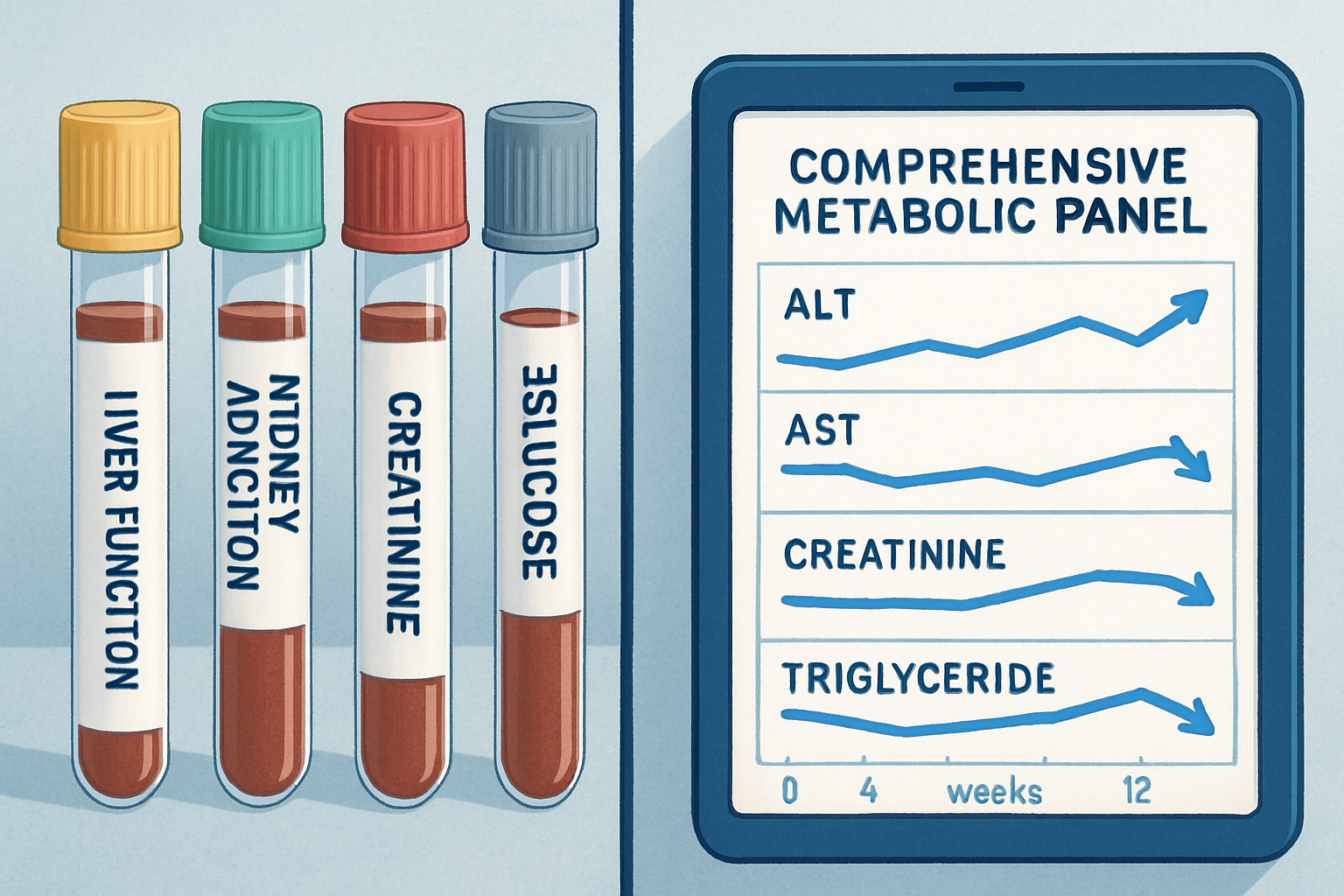
Retatrutide’s unique triple-agonist mechanism creates a complex metabolic environment that influences numerous biochemical pathways simultaneously. As a compound that activates glucose-dependent insulinotropic polypeptide (GIP), glucagon-like peptide-1 (GLP-1), and glucagon receptors, retatrutide initiates cascading effects across glucose metabolism, lipid processing, energy expenditure, and hepatic function. These widespread metabolic changes manifest in laboratory values, making comprehensive monitoring essential for research safety.
The GLP-1 receptor activation component enhances insulin secretion while suppressing glucagon release, directly impacting glucose homeostasis markers. Simultaneously, the glucagon receptor agonism promotes hepatic glucose output and increases energy expenditure, creating a delicate metabolic balance. The GIP receptor activation adds another layer of complexity by influencing both insulin secretion and lipid metabolism. This intricate interplay means that retatrutide labs to monitor must capture the full spectrum of metabolic effects rather than focusing on isolated parameters.
Primary Metabolic Pathways Affected
Research protocols must account for retatrutide’s influence on multiple organ systems. The liver experiences altered glucose production and lipid processing, necessitating regular hepatic function assessment. Pancreatic beta-cell activity changes significantly, requiring monitoring of insulin and C-peptide levels. Kidney function deserves particular attention as the compound undergoes renal clearance and may influence fluid-electrolyte balance through its effects on sodium-glucose cotransporter activity.
Gastrointestinal effects represent another critical consideration. The GLP-1 agonist properties slow gastric emptying and may influence nutrient absorption patterns, potentially affecting vitamin and mineral status. These changes can manifest subtly in laboratory values before becoming clinically apparent, emphasizing the importance of comprehensive baseline testing and regular follow-up panels.
“The multi-receptor agonist profile of retatrutide creates a metabolic signature that requires vigilant laboratory monitoring across hepatic, renal, pancreatic, and cardiovascular parameters to ensure research subject safety.” — Clinical Research Safety Guidelines, 2025
📊 Essential Retatrutide Labs to Monitor: Core Safety Panel
Establishing a comprehensive core safety panel forms the foundation of responsible retatrutide research protocols. This essential battery of tests provides critical information about organ function, metabolic status, and potential adverse effects. Research teams must implement these baseline assessments before compound administration and maintain regular testing intervals throughout the study period.
Hepatic Function Markers
Liver enzyme monitoring represents a non-negotiable component of retatrutide research safety. The hepatic system processes and metabolizes peptides while managing the metabolic changes induced by multi-receptor agonism. Key markers include:
| Laboratory Test | Normal Range | Monitoring Frequency | Clinical Significance |
|---|---|---|---|
| ALT (Alanine Aminotransferase) | 7-56 U/L | Baseline, Week 2, Week 4, then monthly | Primary indicator of hepatocellular injury |
| AST (Aspartate Aminotransferase) | 10-40 U/L | Baseline, Week 2, Week 4, then monthly | Hepatic and cardiac tissue damage marker |
| Alkaline Phosphatase | 44-147 U/L | Baseline, then monthly | Biliary obstruction and bone metabolism |
| Total Bilirubin | 0.1-1.2 mg/dL | Baseline, then monthly | Hepatic excretory function |
| Albumin | 3.5-5.5 g/dL | Baseline, then monthly | Hepatic synthetic function |
| GGT (Gamma-Glutamyl Transferase) | 8-61 U/L | Baseline, then monthly | Biliary disease and alcohol sensitivity |
Elevated transaminases (ALT/AST) may indicate hepatocellular stress or injury, particularly relevant given retatrutide’s metabolic effects on hepatic glucose and lipid processing. A two-fold increase above baseline warrants protocol review, while a three-fold increase typically necessitates temporary discontinuation pending further evaluation.
Renal Function Assessment
The kidneys play a crucial role in peptide clearance and fluid-electrolyte homeostasis, both of which may be influenced by retatrutide’s mechanism. Retatrutide labs to monitor for renal function include:
- Serum Creatinine: Baseline and monthly monitoring to assess glomerular filtration
- Blood Urea Nitrogen (BUN): Evaluates kidney function and hydration status
- Estimated GFR (eGFR): Calculated value providing comprehensive filtration assessment
- Urinalysis: Detects proteinuria, glucosuria, or other urinary abnormalities
- Urine Albumin-to-Creatinine Ratio: Sensitive marker for early kidney stress
A decrease in eGFR of more than 25% from baseline requires immediate protocol evaluation. Similarly, new-onset proteinuria (protein >150 mg/24 hours) warrants investigation, as it may indicate glomerular stress from metabolic changes or hemodynamic alterations.
Metabolic and Glycemic Control Markers
Given retatrutide’s profound effects on glucose metabolism, comprehensive glycemic monitoring extends beyond simple glucose measurements:
Fasting Glucose (70-100 mg/dL): Weekly during titration, then bi-weekly Hemoglobin A1C (4.0-5.6%): Baseline, Week 4, Week 8, then every 8-12 weeks Fasting Insulin: Baseline and monthly to assess insulin sensitivity changes C-Peptide: Baseline and as indicated to evaluate endogenous insulin production
The GLP-1 agonist component may cause hypoglycemia in certain research contexts, particularly when combined with other glucose-lowering interventions. Continuous glucose monitoring or frequent point-of-care testing may be warranted during initial titration phases.
Lipid Profile Monitoring
Retatrutide’s influence on lipid metabolism through GIP receptor activation and increased energy expenditure necessitates comprehensive lipid panel assessment:
✅ Total Cholesterol: Baseline and every 4-8 weeks ✅ LDL Cholesterol: Primary marker for cardiovascular risk assessment ✅ HDL Cholesterol: Protective lipoprotein often improved with metabolic interventions ✅ Triglycerides: Particularly sensitive to GIP receptor modulation ✅ Non-HDL Cholesterol: Calculated value providing comprehensive atherogenic lipid assessment
Research protocols should document lipid changes systematically, as significant improvements may occur within 4-8 weeks of consistent administration. A triglyceride reduction of 30-50% has been observed in some research contexts, though individual responses vary considerably.
For researchers seeking high-purity compounds for their protocols, PEPTIDE PRO’s extensive catalogue provides research-grade peptides with comprehensive documentation and certificates of analysis to ensure experimental consistency.
🫀 Cardiovascular and Endocrine Retatrutide Labs to Monitor
Beyond the core metabolic panel, cardiovascular and endocrine parameters require specific attention when working with retatrutide. The compound’s multi-receptor mechanism influences heart rate, blood pressure regulation, and various hormonal axes that maintain metabolic homeostasis.
Cardiovascular Monitoring Parameters
Heart rate elevation represents a recognized effect of GLP-1 receptor agonists, and retatrutide’s triple-agonist profile may amplify this response. Essential cardiovascular monitoring includes:
| Parameter | Baseline | Ongoing Frequency | Action Threshold |
|---|---|---|---|
| Resting Heart Rate | Yes | Weekly during titration, then bi-weekly | Increase >20 bpm from baseline |
| Blood Pressure | Yes | Weekly during titration, then bi-weekly | Sustained elevation >140/90 mmHg |
| ECG | Yes | Week 4, then as indicated | QTc prolongation >470ms (female) or >450ms (male) |
| Troponin | If indicated | As clinically indicated | Any elevation above normal range |
| BNP/NT-proBNP | If cardiac history | Monthly if elevated baseline | Significant increase from baseline |
Research protocols should establish clear discontinuation criteria based on cardiovascular parameters. A sustained heart rate increase exceeding 20 beats per minute from baseline, particularly when accompanied by palpitations or other symptoms, warrants protocol review and potential dose adjustment.
Thyroid Function Assessment
While retatrutide’s primary mechanism doesn’t directly target thyroid receptors, metabolic changes and weight alterations can influence thyroid hormone dynamics. The retatrutide labs to monitor for thyroid function include:
TSH (Thyroid-Stimulating Hormone): Baseline and every 8-12 weeks Free T4: Baseline and if TSH becomes abnormal Free T3: Consider in cases of significant metabolic changes Thyroid Antibodies: Baseline if autoimmune history present
Significant weight changes induced by retatrutide may alter thyroid hormone requirements in subjects with pre-existing thyroid conditions. A TSH shift outside the normal range (0.4-4.0 mIU/L) requires endocrine consultation and potential protocol modification.
Pancreatic Enzyme Monitoring
GLP-1 receptor agonists have been associated with pancreatic concerns in some research contexts, making pancreatic enzyme monitoring a prudent addition to comprehensive safety panels:
- Lipase: Baseline, then monthly or if abdominal symptoms develop
- Amylase: Baseline, then monthly or if abdominal symptoms develop
Lipase elevation >3 times the upper limit of normal, particularly when accompanied by abdominal pain, nausea, or vomiting, requires immediate protocol suspension and clinical evaluation for potential pancreatitis. Even asymptomatic elevations between 1.5-3 times normal warrant increased monitoring frequency and dose review.
Electrolyte and Hydration Status
The gastrointestinal effects of GLP-1 agonism—including nausea, vomiting, and diarrhea—can precipitate electrolyte disturbances and dehydration. Regular assessment should include:
🔹 Sodium: Baseline and monthly (normal: 135-145 mEq/L) 🔹 Potassium: Baseline and monthly (normal: 3.5-5.0 mEq/L) 🔹 Chloride: Baseline and monthly (normal: 96-106 mEq/L) 🔹 Bicarbonate: Baseline and monthly (normal: 23-29 mEq/L) 🔹 Calcium: Baseline and every 8 weeks (normal: 8.5-10.5 mg/dL) 🔹 Magnesium: Baseline and every 8 weeks (normal: 1.7-2.2 mg/dL)
Gastrointestinal side effects occur most frequently during initial titration and dose escalation phases. Research protocols should implement more frequent electrolyte monitoring (weekly) during these high-risk periods, particularly in subjects experiencing significant gastrointestinal symptoms.
Nutritional Status Markers
Extended research protocols with significant metabolic effects warrant nutritional status assessment to prevent deficiencies:
Complete Blood Count (CBC): Baseline and every 8-12 weeks to detect anemia Iron Panel: Baseline and every 12 weeks if indicated Vitamin B12: Baseline and every 12-16 weeks Folate: Baseline and every 12-16 weeks Vitamin D (25-OH): Baseline and every 12-16 weeks
Rapid metabolic changes and altered nutrient absorption patterns may precipitate micronutrient deficiencies that manifest subtly before becoming clinically significant. Proactive monitoring enables early intervention and supplementation when indicated.
Research teams can ensure protocol consistency by sourcing compounds from established suppliers. PEPTIDE PRO’s commitment to quality includes comprehensive certificates of analysis and proper storage conditions that maintain peptide integrity throughout the research timeline.
📅 Optimal Testing Frequency and Protocol Design
Establishing appropriate testing intervals represents a critical component of research safety while balancing practical considerations of subject burden and resource allocation. The retatrutide labs to monitor frequency should adapt to research phase, subject characteristics, and emerging laboratory trends.
Phase-Based Monitoring Strategy
Pre-Administration Baseline (Week -1 to 0)
Comprehensive baseline assessment establishes the reference point for all subsequent comparisons:
- Complete metabolic panel (CMP)
- Hepatic function panel (ALT, AST, ALP, bilirubin, albumin, GGT)
- Lipid panel (total cholesterol, LDL, HDL, triglycerides)
- Hemoglobin A1C and fasting glucose
- Thyroid function (TSH, free T4)
- Complete blood count (CBC)
- Urinalysis with microalbumin
- ECG with QTc calculation
- Pancreatic enzymes (lipase, amylase)
This comprehensive baseline enables researchers to identify pre-existing abnormalities that may influence subject eligibility or require enhanced monitoring during the protocol.
Initial Titration Phase (Weeks 1-4)
The highest risk period for adverse effects occurs during initial exposure and dose escalation:
| Week | Laboratory Assessment | Rationale |
|---|---|---|
| Week 1 | Basic metabolic panel, glucose | Detect early electrolyte or glycemic disturbances |
| Week 2 | Hepatic panel, creatinine, glucose | Assess hepatorenal response to initial exposure |
| Week 4 | Comprehensive panel (all baseline tests) | Complete safety assessment before dose escalation |
This intensive monitoring schedule enables early detection of concerning trends before they progress to clinically significant abnormalities.
Maintenance Phase (Weeks 5-12)
Once subjects tolerate stable dosing, monitoring frequency can decrease while maintaining safety vigilance:
✓ Bi-weekly: Glucose, basic metabolic panel ✓ Monthly: Hepatic panel, lipid panel, pancreatic enzymes ✓ Every 8 weeks: Hemoglobin A1C, thyroid function, CBC ✓ As indicated: Additional testing based on symptoms or concerning trends
Extended Protocol Phase (Beyond Week 12)
Long-term research protocols may further reduce testing frequency while maintaining comprehensive safety oversight:
- Monthly: Hepatic panel, renal function, glucose
- Every 8-12 weeks: Complete metabolic panel, lipid panel, HbA1c
- Every 12-16 weeks: Thyroid function, nutritional markers, CBC
Subject-Specific Monitoring Modifications
Certain subject characteristics warrant enhanced monitoring beyond standard protocols:
Advanced Age (>65 years): Increased renal and hepatic monitoring frequency Pre-existing Hepatic Conditions: Weekly hepatic panels during titration Renal Impairment: Weekly renal function and electrolytes during titration Cardiovascular History: Weekly vital signs, monthly ECG during initial 12 weeks Diabetes History: Continuous glucose monitoring or daily point-of-care testing
Trend Analysis and Early Warning Systems
Beyond absolute values, trend analysis provides crucial safety information. Research protocols should implement systematic trend evaluation:
🔺 Upward Trending Concern: Liver enzymes, creatinine, heart rate 🔻 Downward Trending Concern: eGFR, albumin, hemoglobin 📈 Bidirectional Monitoring: Glucose (hypo- and hyperglycemia), electrolytes
A consistent trend over 2-3 consecutive measurements warrants protocol review even if values remain within normal ranges. For example, ALT values of 25, 35, 45 U/L over consecutive measurements suggest hepatic stress despite remaining below typical action thresholds.
Point-of-Care Testing Integration
Modern research protocols increasingly incorporate point-of-care testing for rapid assessment of critical parameters:
- Glucose meters for immediate glycemic assessment
- Ketone meters for metabolic monitoring
- Blood pressure monitors for cardiovascular surveillance
- Heart rate monitors or wearable devices for continuous tracking
These technologies enable real-time safety monitoring between formal laboratory assessments, providing an additional safety layer particularly valuable during titration phases.
Researchers conducting comprehensive protocols benefit from reliable peptide sources that maintain consistent quality. PEPTIDE PRO’s same-day dispatch policy for orders before 1pm ensures minimal delays in protocol initiation and maintains research timeline integrity.
⚠️ Interpreting Results: Action Thresholds and Safety Protocols
Understanding when laboratory values warrant intervention separates competent research oversight from inadequate safety monitoring. Establishing clear action thresholds for retatrutide labs to monitor enables consistent decision-making and protects research integrity.
Hepatic Enzyme Elevation Response Protocol
Liver enzyme elevations require systematic evaluation and graduated responses:
Mild Elevation (1.5-2x Upper Limit Normal)
- Increase monitoring frequency to weekly
- Review concomitant medications and supplements
- Assess for alternative causes (viral hepatitis, alcohol use)
- Continue protocol with enhanced surveillance
Moderate Elevation (2-3x Upper Limit Normal)
- Immediate repeat testing to confirm values
- Comprehensive hepatic panel including PT/INR
- Consider dose reduction by 25-50%
- Weekly monitoring until values stabilize or decline
Severe Elevation (>3x Upper Limit Normal)
- Immediate protocol suspension
- Comprehensive hepatic evaluation including imaging
- Hepatology consultation
- Protocol resumption only after values normalize and causality assessment
Critical Elevation (>5x Upper Limit Normal) OR Elevation with Symptoms
- Permanent protocol discontinuation
- Immediate clinical evaluation
- Comprehensive hepatic workup
- Adverse event documentation and reporting
Renal Function Deterioration Management
Kidney function changes require prompt assessment and intervention:
| eGFR Change from Baseline | Action Required | Monitoring Frequency |
|---|---|---|
| <10% decrease | Continue protocol, routine monitoring | Per protocol schedule |
| 10-25% decrease | Increase monitoring, assess hydration | Weekly until stable |
| 25-40% decrease | Dose reduction, nephrology consultation | Twice weekly |
| >40% decrease | Protocol suspension, urgent evaluation | Daily until stabilized |
New-onset proteinuria (>150 mg/24 hours) or significant increase in pre-existing proteinuria requires similar graduated response with potential dose modification or discontinuation.
Glycemic Abnormality Management
Both hypoglycemia and persistent hyperglycemia warrant specific responses:
Hypoglycemia (<70 mg/dL)
- Immediate treatment per standard protocols
- Review all glucose-affecting interventions
- Consider dose reduction
- Implement more frequent glucose monitoring
- Educate on hypoglycemia recognition and management
Persistent Hyperglycemia (>125 mg/dL fasting)
- Assess compliance and timing of measurements
- Review dietary factors
- Consider dose escalation if within protocol parameters
- Evaluate for intercurrent illness
Cardiovascular Parameter Responses
Heart rate and blood pressure changes require systematic evaluation:
Heart Rate Increase >15 bpm from Baseline
- Assess for symptoms (palpitations, chest discomfort)
- Evaluate for alternative causes (caffeine, stress, illness)
- Consider dose reduction if sustained
- Weekly monitoring until stable
Heart Rate Increase >20 bpm from Baseline
- Immediate clinical evaluation
- ECG assessment
- Dose reduction or temporary suspension
- Cardiology consultation if symptomatic
Blood Pressure Elevation (>140/90 mmHg sustained)
- Confirm with repeated measurements
- Assess for white-coat effect
- Consider dose modification
- Evaluate need for antihypertensive intervention
Pancreatic Enzyme Elevation Protocol
Given the potential association between GLP-1 agonists and pancreatitis:
Lipase 1.5-3x Upper Limit Normal (Asymptomatic)
- Repeat testing within 48-72 hours
- Assess for abdominal symptoms
- Increase monitoring frequency
- Continue protocol with caution
Lipase >3x Upper Limit Normal OR Any Elevation with Symptoms
- Immediate protocol suspension
- Clinical evaluation for pancreatitis
- Abdominal imaging as indicated
- Permanent discontinuation if pancreatitis confirmed
Electrolyte Imbalance Management
Electrolyte disturbances require prompt correction:
Mild Abnormalities (sodium 130-134 or 146-150 mEq/L, potassium 3.0-3.4 or 5.1-5.5 mEq/L)
- Repeat testing within 24-48 hours
- Assess hydration status and gastrointestinal symptoms
- Dietary counseling
- Continue protocol with increased monitoring
Moderate-Severe Abnormalities (sodium <130 or >150 mEq/L, potassium <3.0 or >5.5 mEq/L)
- Immediate clinical evaluation
- Protocol suspension until correction
- Aggressive replacement therapy
- Identify and address underlying cause
Documentation and Adverse Event Reporting
Comprehensive documentation forms the foundation of research safety:
📝 Required Documentation Elements:
- All laboratory values with dates and times
- Baseline comparisons and trend analysis
- Actions taken in response to abnormalities
- Subject symptoms and clinical assessments
- Dose modifications and rationale
- Outcome of interventions
Serious Adverse Events requiring immediate reporting include:
- Hospitalization related to laboratory abnormalities
- Life-threatening events (severe pancreatitis, acute renal failure)
- Persistent or significant disability
- Any event requiring protocol discontinuation
Research teams working with peptides from PEPTIDE PRO benefit from comprehensive product documentation including certificates of analysis that support accurate interpretation of research results.
🔬 Advanced Monitoring: Specialized Laboratory Assessments
Beyond core safety panels, certain research contexts benefit from specialized laboratory assessments that provide deeper insights into retatrutide’s metabolic effects and individual subject responses.
Metabolomic Profiling
Advanced metabolomic analysis offers comprehensive assessment of metabolic pathway changes:
Amino Acid Profiling: Evaluates protein metabolism and nitrogen balance changes Organic Acid Analysis: Assesses mitochondrial function and energy metabolism Fatty Acid Profiling: Detailed evaluation of lipid metabolism shifts Ketone Body Measurement: Beta-hydroxybutyrate and acetoacetate levels
These specialized assessments provide mechanistic insights into retatrutide’s metabolic effects beyond standard clinical chemistry panels.
Inflammatory Marker Assessment
Metabolic improvements often correlate with reduced systemic inflammation:
- High-Sensitivity C-Reactive Protein (hs-CRP): Cardiovascular inflammation marker
- Interleukin-6 (IL-6): Pro-inflammatory cytokine
- Tumor Necrosis Factor-alpha (TNF-α): Inflammatory mediator
- Adiponectin: Anti-inflammatory adipokine often increased with metabolic improvement
Baseline and periodic assessment (every 8-12 weeks) documents inflammatory status changes that may contribute to metabolic benefits.
Hormonal Axis Evaluation
Comprehensive endocrine assessment beyond basic thyroid function:
Reproductive Hormones (if relevant to research questions):
- Luteinizing hormone (LH)
- Follicle-stimulating hormone (FSH)
- Testosterone (total and free)
- Estradiol
- Sex hormone-binding globulin (SHBG)
Stress Hormones:
- Cortisol (morning and evening)
- ACTH
- DHEA-S
Appetite-Regulating Hormones:
- Leptin
- Ghrelin
- Peptide YY (PYY)
These assessments illuminate retatrutide’s broader endocrine effects and individual variability in hormonal responses.
Cardiovascular Risk Biomarkers
Advanced cardiovascular assessment beyond standard lipid panels:
| Biomarker | Clinical Significance | Testing Frequency |
|---|---|---|
| Apolipoprotein B (ApoB) | Superior cardiovascular risk predictor | Baseline, Week 12, then every 12 weeks |
| Lipoprotein(a) [Lp(a)] | Genetic cardiovascular risk factor | Baseline only |
| Oxidized LDL | Atherogenic lipoprotein modification | Baseline, Week 12, then every 12 weeks |
| Homocysteine | Vascular inflammation marker | Baseline, then every 12-16 weeks |
| Fibrinogen | Thrombotic risk indicator | Baseline, then every 12 weeks |
These markers provide refined cardiovascular risk assessment beyond traditional lipid parameters.
Genetic and Pharmacogenomic Testing
Individual genetic variation influences peptide response and metabolism:
CYP450 Enzyme Variants: May affect metabolism of concomitant medications GLP-1 Receptor Polymorphisms: Influence receptor sensitivity and response Lipid Metabolism Genes: APOE, PCSK9 variants affecting lipid response Glucose Metabolism Genes: TCF7L2, KCNJ11 variants influencing glycemic effects
Baseline pharmacogenomic assessment enables personalized protocol design and helps explain individual response variability.
Body Composition and Metabolic Rate Assessment
While not strictly laboratory tests, these assessments complement biochemical monitoring:
🔹 DEXA Scanning: Precise body composition (fat mass, lean mass, bone density) 🔹 Bioelectrical Impedance Analysis: Frequent body composition tracking 🔹 Indirect Calorimetry: Resting metabolic rate measurement 🔹 Doubly Labeled Water: Gold-standard total energy expenditure
These measurements document the physiological correlates of biochemical changes observed in laboratory monitoring.
Microbiome Analysis
Emerging research suggests gut microbiome influences metabolic peptide responses:
- 16S rRNA Sequencing: Bacterial community composition
- Metagenomic Analysis: Functional gene content
- Metabolomic Profiling: Microbial metabolite production
- Short-Chain Fatty Acid Measurement: Butyrate, acetate, propionate levels
Baseline and periodic microbiome assessment (every 8-12 weeks) may reveal mechanistic insights into individual response variability and metabolic outcomes.
Researchers requiring consistent, high-quality compounds for advanced research protocols can explore PEPTIDE PRO’s comprehensive peptide catalogue, which includes detailed product specifications and storage guidance to maintain peptide integrity.
📋 Practical Implementation: Laboratory Logistics and Best Practices
Translating monitoring protocols from theory to practice requires attention to logistical details that ensure data quality and subject compliance while maintaining research efficiency.
Sample Collection Timing and Preparation
Proper sample collection technique significantly impacts result accuracy:
Fasting Requirements:
- 8-12 hour fast: Glucose, insulin, lipid panel, comprehensive metabolic panel
- No fasting required: Hemoglobin A1C, thyroid function, CBC, electrolytes (unless part of CMP)
- Timing considerations: Morning collection preferred for hormone assessment due to diurnal variation
Pre-Collection Instructions for Subjects: ✅ Avoid vigorous exercise 24 hours before collection (affects creatine kinase, lactate) ✅ Maintain consistent hydration (affects creatinine, electrolytes) ✅ Avoid alcohol 48 hours before hepatic panel collection ✅ Document all medications and supplements taken ✅ Note time of last peptide administration
Laboratory Selection and Standardization
Choosing a Reference Laboratory:
Consistency in laboratory selection ensures result comparability:
- CLIA-Certified Facilities: Ensures quality standards and regulatory compliance
- Single Laboratory Use: Eliminates inter-laboratory variation in reference ranges and methodology
- Comprehensive Test Menu: Reduces need for multiple collection sites
- Electronic Result Delivery: Facilitates rapid review and trend analysis
- Consistent Methodology: Verify testing platforms remain constant throughout protocol
Reference Range Considerations:
Different laboratories may use varying reference ranges based on:
- Analytical methodology
- Population demographics
- Assay manufacturer
- Units of measurement
Research protocols should document specific reference ranges used and maintain consistency throughout the study period.
Sample Handling and Processing
Proper specimen handling prevents pre-analytical errors:
| Test Type | Collection Tube | Processing Time | Storage Requirements |
|---|---|---|---|
| Basic Metabolic Panel | Green top (lithium heparin) or red top | Within 2 hours | Refrigerate if delayed |
| Lipid Panel | Red top (serum) or gold top (SST) | Within 2 hours | Refrigerate if delayed |
| Hemoglobin A1C | Lavender top (EDTA) | Stable 7 days | Room temperature or refrigerate |
| Hepatic Panel | Red top or gold top | Within 2 hours | Refrigerate if delayed |
| Thyroid Function | Red top or gold top | Within 4 hours | Refrigerate if delayed |
Temperature Control: Most samples require refrigeration (2-8°C) if processing is delayed. Freezing is generally contraindicated unless specifically required for specialized testing.
Quality Control and Result Verification
Implementing systematic quality control prevents errors:
Pre-Analytical Quality Control:
- Verify subject identification on all specimens
- Confirm proper fasting status
- Document collection time
- Inspect specimens for hemolysis, lipemia, icterus
Analytical Quality Control:
- Review laboratory quality control data
- Investigate unexpected results before clinical interpretation
- Verify critical values with repeat testing
Post-Analytical Quality Control:
- Compare results to previous values (delta checking)
- Verify results align with clinical presentation
- Investigate discrepancies between related tests
Subject Compliance Strategies
Maintaining high compliance with monitoring schedules:
Education and Communication: 📱 Automated appointment reminders via text or email 📅 Provide subjects with personalized testing schedules 📝 Clear written instructions for fasting and preparation 🗣
️ Explain the importance of monitoring for safety
Convenience Optimization:
- Schedule collections at consistent times
- Offer flexible appointment windows
- Provide mobile phlebotomy services when possible
- Batch multiple tests to reduce collection frequency
Barrier Reduction:
- Cover costs of all protocol-required testing
- Provide transportation assistance if needed
- Minimize fasting duration requirements
- Offer weekend or evening collection options
Data Management and Tracking Systems
Effective data management ensures no results are overlooked:
Electronic Laboratory Result Integration: Modern research protocols benefit from electronic health record (EHR) or research database integration that:
- Automatically imports laboratory results
- Flags abnormal values for immediate review
- Generates trend graphs for visual analysis
- Triggers alerts when action thresholds are exceeded
Manual Tracking Systems: For protocols without electronic integration:
- Maintain comprehensive spreadsheets with all values
- Create visual trend charts for key parameters
- Implement checklist systems to ensure all required tests are completed
- Schedule regular data review meetings
Regulatory Compliance Documentation: Maintain complete records including:
- Original laboratory reports with all result details
- Documentation of result review and clinical interpretation
- Records of actions taken in response to abnormalities
- Subject notification of results when required
Cost Considerations and Optimization
Comprehensive monitoring involves significant costs that require careful planning:
Typical Cost Ranges (vary by region and laboratory):
- Basic Metabolic Panel: $15-30
- Comprehensive Metabolic Panel: $25-50
- Lipid Panel: $20-40
- Hepatic Function Panel: $30-60
- Hemoglobin A1C: $15-30
- Thyroid Panel (TSH + Free T4): $40-80
- Complete Blood Count: $10-25
Cost Optimization Strategies:
- Negotiate volume discounts with reference laboratories
- Utilize comprehensive panels rather than individual tests when appropriate
- Implement risk-stratified monitoring (more intensive for high-risk subjects)
- Consider point-of-care testing for frequent assessments (glucose, ketones)
Research teams can optimize overall protocol costs by sourcing high-quality peptides efficiently. PEPTIDE PRO’s competitive pricing combined with fast UK delivery reduces both material costs and timeline delays that can inflate overall research expenses.
Special Populations: Modified Monitoring Protocols
Certain subject populations require enhanced or modified monitoring approaches beyond standard protocols to ensure safety and account for unique physiological characteristics.
Elderly Subjects (Age >65 Years)
Aging affects pharmacokinetics, organ function, and physiological reserve:
Enhanced Monitoring Requirements:
- Renal Function: Weekly during titration (age-related GFR decline)
- Hepatic Function: Bi-weekly during first month (reduced hepatic reserve)
- Cardiovascular Parameters: Weekly vital signs, baseline and monthly ECG
- Nutritional Status: More frequent assessment (increased malnutrition risk)
- Cognitive Function: Baseline and periodic assessment if indicated
Age-Specific Considerations: 🔹 Lower initial dosing with slower titration 🔹 Enhanced hydration monitoring (reduced thirst perception) 🔹 Medication interaction assessment (polypharmacy common) 🔹 Frailty screening and monitoring
Subjects with Pre-Existing Renal Impairment
Chronic kidney disease affects peptide clearance and complication risk:
Baseline Renal Function Stratification:
| CKD Stage | eGFR (mL/min/1.73m²) | Monitoring Frequency | Special Considerations |
|---|---|---|---|
| Stage 1-2 | >60 | Standard protocol | Routine monitoring adequate |
| Stage 3a | 45-59 | Weekly renal panel during titration | Consider dose reduction |
| Stage 3b | 30-44 | Twice weekly renal panel | Dose reduction recommended |
| Stage 4 | 15-29 | Three times weekly initially | Significant dose reduction required |
| Stage 5 | <15 | Generally excluded | Extreme caution if included |
Additional Monitoring:
- Phosphorus and calcium (mineral bone disease)
- Parathyroid hormone (secondary hyperparathyroidism)
- Hemoglobin (anemia of CKD)
- Fluid status assessment (edema, blood pressure)
Subjects with Hepatic Conditions
Pre-existing liver disease requires enhanced hepatic monitoring:
Baseline Hepatic Function Classification:
- Child-Pugh Score: Quantifies cirrhosis severity
- MELD Score: Assesses end-stage liver disease
- Liver Imaging: Baseline ultrasound or other imaging
- Viral Hepatitis Screening: HBV, HCV status
Enhanced Monitoring Protocol: ✓ Weekly hepatic panels during entire titration period ✓ Bi-weekly panels during maintenance phase ✓ Coagulation studies (PT/INR) monthly ✓ Ammonia levels if hepatic encephalopathy risk ✓ Alpha-fetoprotein if cirrhosis present (hepatocellular carcinoma screening)
Exclusion Criteria: Most protocols exclude subjects with:
- Active hepatitis (viral or autoimmune)
- Decompensated cirrhosis
- Severe hepatic impairment (Child-Pugh Class C)
- Recent hepatotoxic medication exposure
Subjects with Cardiovascular Disease
Pre-existing cardiovascular conditions necessitate enhanced cardiac monitoring:
Baseline Cardiovascular Assessment:
- Comprehensive cardiac history
- Baseline ECG with QTc calculation
- Echocardiogram if structural heart disease
- Exercise stress testing if indicated
- Cardiology clearance for moderate-severe disease
Enhanced Monitoring: 📊 Weekly vital signs during titration and dose escalation 📊 Bi-weekly ECG for first 8 weeks 📊 Monthly BNP or NT-proBNP if heart failure history 📊 Troponin at baseline and if chest symptoms develop 📊 Continuous heart rate monitoring with wearable devices
Specific Cardiovascular Conditions:
Heart Failure: Monitor for fluid retention, worsening symptoms, BNP trends Arrhythmias: Enhanced ECG monitoring, consider Holter monitoring Coronary Artery Disease: Assess for anginal symptoms, exercise tolerance Hypertension: More aggressive blood pressure targets and monitoring
Subjects with Diabetes or Glucose Disorders
Pre-existing glucose abnormalities require intensive glycemic monitoring:
Type 1 Diabetes:
- Continuous glucose monitoring strongly recommended
- Frequent insulin dose adjustments anticipated
- Enhanced hypoglycemia education and monitoring
- Ketone monitoring (blood or urine)
- Weekly HbA1c during titration (if using rapid-assay methods)
Type 2 Diabetes:
- Daily fasting glucose measurements
- Post-prandial glucose monitoring
- Review and adjust other glucose-lowering medications
- Enhanced hypoglycemia risk assessment
- Bi-weekly HbA1c initially
Prediabetes:
- Weekly fasting glucose
- Monthly HbA1c
- Assess for progression to diabetes or normalization
Subjects with Gastrointestinal Disorders
Pre-existing GI conditions may be exacerbated by GLP-1 effects:
Enhanced Monitoring for:
- Gastroparesis: Symptom assessment, gastric emptying studies
- Inflammatory Bowel Disease: Disease activity markers, symptom tracking
- GERD: Symptom assessment, consideration of upper endoscopy
- Gallbladder Disease: Hepatobiliary ultrasound, enhanced right upper quadrant symptom monitoring
Additional Assessments:
- Nutritional status (increased malabsorption risk)
- Vitamin and mineral levels
- Stool studies if diarrhea develops
- Hydration status with electrolytes
Subjects on Concomitant Medications
Certain medication combinations require enhanced monitoring:
Anticoagulants (warfarin, DOACs):
- More frequent INR monitoring if on warfarin
- Assess for bleeding risk
- Monitor for drug-drug interactions
Immunosuppressants:
- Drug level monitoring
- Enhanced infection surveillance
- Assess for altered immunosuppressant metabolism
Medications Affecting QT Interval:
- Baseline and frequent ECG monitoring
- QTc calculation with each ECG
- Consider discontinuation if QTc prolongation develops
Other Glucose-Lowering Medications:
- Enhanced hypoglycemia monitoring
- Anticipate need for dose reductions
- Frequent glucose assessments
Researchers working with diverse subject populations benefit from reliable peptide sources. PEPTIDE PRO’s quality assurance processes ensure consistent product quality that reduces variability in research outcomes across different subject groups.
🔍 Troubleshooting Common Laboratory Challenges
Even well-designed monitoring protocols encounter practical challenges that require systematic problem-solving approaches.
Unexplained Laboratory Abnormalities
When results don’t align with clinical expectations:
Systematic Investigation Approach:
- Verify Result Accuracy
- Repeat testing to confirm abnormality
- Check for hemolysis, lipemia, or icterus affecting results
- Verify proper sample collection and handling
- Confirm subject fasting status and preparation
- Assess Pre-Analytical Factors
- Review timing of last peptide dose
- Evaluate recent dietary intake
- Consider exercise or physical activity effects
- Assess hydration status
- Review all medications and supplements
- Evaluate Alternative Causes
- Screen for intercurrent illness
- Assess for medication interactions
- Consider unrelated medical conditions
- Evaluate for laboratory error or contamination
- Clinical Correlation
- Compare to subject’s clinical presentation
- Assess for symptoms corresponding to abnormality
- Review trend data from previous results
- Consider physiological versus pathological variation
Managing Subject Non-Compliance with Fasting Requirements
Fasting non-compliance compromises result interpretation:
Prevention Strategies:
- Provide clear written and verbal fasting instructions
- Schedule morning appointments to minimize fasting duration
- Send reminder messages 24 hours before collection
- Educate on importance of fasting for result accuracy
When Non-Compliance Occurs:
- Document non-fasting status on laboratory requisition
- Interpret results cautiously (glucose, triglycerides most affected)
- Consider rescheduling if results are critical for decision-making
- Use non-fasting markers when possible (HbA1c vs. fasting glucose)
Addressing Subject Anxiety About Venipuncture
Needle phobia or difficult venous access challenges compliance:
Solutions: ✓ Utilize experienced phlebotomists ✓ Offer topical anesthetic cream (EMLA) before collection ✓ Provide distraction techniques during collection ✓ Consider butterfly needles for difficult access ✓ Explore fingerstick alternatives for some tests (glucose, HbA1c) ✓ Assess for alternative collection sites (hand, foot veins)
For Severe Phobia:
- Referral to behavioral health for desensitization
- Consider point-of-care testing alternatives
- Evaluate whether less frequent monitoring is acceptable
Resolving Discrepancies Between Related Tests
When related markers provide conflicting information:
Example: Normal HbA1c with Elevated Fasting Glucose
Possible explanations:
- Recent glucose elevation (HbA1c reflects 2-3 month average)
- Hemoglobin variants affecting HbA1c accuracy
- Conditions affecting red blood cell turnover
- Laboratory error in one or both tests
Resolution Approach:
- Repeat both tests
- Consider continuous glucose monitoring for comprehensive assessment
- Evaluate for hemoglobin variants if discrepancy persists
- Use fructosamine or glycated albumin as alternative glycemic markers
Example: Elevated ALT with Normal AST
Possible explanations:
- Early hepatocellular injury (ALT more specific)
- Muscle source of AST (exercise, injury)
- Laboratory variation
- Medication effect
Resolution Approach:
- Repeat hepatic panel
- Add GGT and alkaline phosphatase for additional context
- Review for muscle injury or strenuous exercise
- Consider hepatic imaging if elevation persists
Managing Laboratory Result Delays
Delayed results disrupt monitoring schedules:
Mitigation Strategies:
- Establish clear turnaround time expectations with laboratory
- Implement automated result delivery systems
- Have backup laboratory arrangements for critical tests
- Use point-of-care testing for urgent assessments
- Build flexibility into monitoring schedules
When Delays Occur:
- Contact laboratory to expedite processing
- Assess whether clinical decision can proceed without results
- Consider repeating test with stat processing if critical
- Document delay and impact on protocol
Addressing Cost Barriers to Comprehensive Monitoring
Budget constraints may limit ideal monitoring:
Cost-Effective Strategies:
- Prioritize essential safety markers over optional assessments
- Implement risk-stratified monitoring (intensive for high-risk subjects)
- Utilize comprehensive panels rather than individual tests
- Negotiate laboratory contracts for volume discounts
- Consider less frequent monitoring for stable subjects
- Explore point-of-care testing for frequent assessments
Maintaining Safety with Limited Resources: Focus on non-negotiable monitoring:
- Hepatic function (ALT, AST)
- Renal function (creatinine, eGFR)
- Glucose (fasting or HbA1c)
- Basic metabolic panel
- Vital signs (no cost)
Defer optional assessments:
- Advanced lipid markers
- Specialized endocrine testing
- Inflammatory markers
- Genetic testing
Handling Borderline Abnormalities
Results just outside normal range create interpretation challenges:
Systematic Approach:
Assess Clinical Significance:
- Minor deviations may represent normal biological variation
- Consider individual baseline values
- Evaluate trend rather than single point
- Assess for corresponding symptoms
Repeat Testing:
- Confirm abnormality with repeat measurement
- Use more frequent monitoring if persistent
- Consider more sensitive or specific alternative tests
Risk-Benefit Analysis:
- Weigh intervention risks against abnormality significance
- Consider subject-specific factors (age, comorbidities)
- Implement enhanced monitoring rather than immediate intervention when appropriate
Documentation:
- Record decision-making rationale
- Note plan for follow-up
- Establish clear thresholds for intervention
Researchers managing complex monitoring protocols benefit from streamlined peptide procurement. PEPTIDE PRO’s efficient ordering system and comprehensive product information reduce administrative burden, allowing focus on critical safety monitoring activities.
📚 Regulatory Considerations and Documentation Requirements
Professional research protocols require meticulous attention to regulatory compliance and documentation standards that ensure scientific integrity and subject protection.
Institutional Review Board (IRB) Requirements
Research involving retatrutide monitoring must receive appropriate ethical oversight:
IRB Submission Components:
📋 Protocol Documentation:
- Detailed monitoring plan including all tests and frequencies
- Clearly defined action thresholds and safety stopping rules
- Justification for monitoring intensity
- Risk mitigation strategies
📋 Informed Consent Elements:
- Explanation of all required laboratory testing
- Description of venipuncture risks
- Disclosure of potential abnormalities and management
- Subject responsibilities (fasting, appointment attendance)
- Costs covered by research vs. subject responsibility
📋 Safety Monitoring Plan:
- Data Safety Monitoring Board (DSMB) structure if applicable
- Adverse event reporting procedures
- Protocol modification procedures
- Subject withdrawal criteria
Good Clinical Practice (GCP) Compliance
Research protocols must adhere to GCP standards:
Essential Documentation:
- Source documents for all laboratory values
- Signed and dated laboratory reports
- Documentation of result review and interpretation
- Records of subject notification when required
- Adverse event documentation linking to laboratory abnormalities
Data Integrity Requirements: ✓ Original records maintained (not just transcribed values) ✓ Corrections made with single line-through, initials, and date ✓ Audit trail for electronic data systems ✓ Regular data quality checks and verification ✓ Secure storage with appropriate access controls
Adverse Event Reporting Obligations
Laboratory abnormalities may constitute reportable adverse events:
Severity Classification:
| Grade | Description | Reporting Requirements |
|---|---|---|
| Grade 1 (Mild) | Asymptomatic, no intervention required | Document in subject record |
| Grade 2 (Moderate) | Minimal intervention required | Document, assess causality |
| Grade 3 (Severe) | Medically significant, intervention required | Report to IRB within required timeframe |
| Grade 4 (Life-threatening) | Urgent intervention required | Immediate IRB notification |
| Grade 5 (Death) | Death related to adverse event | Immediate IRB and sponsor notification |
Causality Assessment: Determine relationship between retatrutide and laboratory abnormality:
- Unrelated: Clear alternative cause identified
- Unlikely: Temporal relationship weak, alternative cause likely
- Possible: Temporal relationship present, alternative causes exist
- Probable: Strong temporal relationship, difficult to explain otherwise
- Definite: Clear cause-effect relationship, resolves with discontinuation
Data Privacy and HIPAA Compliance
Laboratory results contain protected health information:
Required Safeguards: 🔒 Secure storage of physical and electronic records 🔒 Access limited to authorized research personnel 🔒 De-identification for data sharing or publication 🔒 Encrypted transmission of electronic results 🔒 Proper disposal of paper records (shredding) 🔒 Business associate agreements with laboratories
Subject Rights:
- Access to their own laboratory results
- Correction of errors in records
- Accounting of disclosures
- Restriction of certain uses
Laboratory Certification and Quality Standards
Research protocols should utilize appropriately certified laboratories:
Required Certifications:
- CLIA (Clinical Laboratory Improvement Amendments): U.S. laboratory certification
- CAP (College of American Pathologists): Accreditation demonstrating quality
- ISO 15189: International standard for medical laboratories
- State Licensure: Required in most jurisdictions
Quality Documentation: Request and maintain:
- Laboratory accreditation certificates
- Proficiency testing results
- Quality control data for relevant tests
- Method validation documentation
Record Retention Requirements
Research records must be maintained for specified periods:
Typical Retention Periods:
- FDA-Regulated Research: Minimum 2 years after marketing application approval or withdrawal
- NIH-Funded Research: Minimum 3 years after final expenditure report
- IRB Requirements: Often 3-7 years after study completion
- Institutional Policies: May exceed regulatory minimums
Records to Retain: ✓ All original laboratory reports ✓ Requisitions and chain of custody documentation ✓ Quality control and quality assurance records ✓ Adverse event documentation ✓ Protocol deviations related to monitoring ✓ Subject consent forms ✓ IRB correspondence and approvals
Publication and Data Sharing Considerations
When publishing research findings:
Ethical Obligations:
- Complete reporting of monitoring procedures
- Disclosure of all safety-related laboratory findings
- Transparent reporting of adverse events
- Acknowledgment of limitations in monitoring
Data Sharing:
- De-identify all subject-level laboratory data
- Provide sufficient detail for replication
- Share monitoring protocols to enable comparison
- Consider data repository requirements from funders
International Considerations
Research conducted across borders requires additional attention:
Regulatory Variations:
- Different laboratory certification standards
- Varying adverse event reporting timelines
- Distinct data privacy regulations (GDPR in EU)
- Different units of measurement requiring conversion
Harmonization Strategies:
- Use single reference laboratory when possible
- Standardize units across sites
- Implement centralized safety monitoring
- Ensure consistent action thresholds despite regional variations
Researchers committed to regulatory compliance and quality standards benefit from working with established peptide suppliers. PEPTIDE PRO’s transparent approach includes comprehensive product documentation and responsive customer support that facilitates compliant research practices.
Future Directions: Emerging Monitoring Technologies
The landscape of laboratory monitoring continues to evolve with technological advances that promise more convenient, comprehensive, and real-time assessment capabilities.
Continuous Monitoring Technologies
Traditional point-in-time laboratory assessments are being supplemented by continuous monitoring:
Continuous Glucose Monitoring (CGM):
- Real-time glucose readings every 5-15 minutes
- Trend analysis and predictive alerts
- Reduced need for fingerstick testing
- Comprehensive glycemic variability assessment
- Integration with smartphone applications
Continuous Ketone Monitoring:
- Emerging technology for metabolic assessment
- Particularly relevant for protocols affecting energy metabolism
- May provide early warning of metabolic stress
Wearable Biosensors: Developing technologies for continuous monitoring of:
- Lactate (metabolic stress indicator)
- Cortisol (stress hormone)
- Electrolytes (hydration and balance)
- pH (acid-base status)
Point-of-Care Testing Expansion
Rapid, near-subject testing reduces delays and improves convenience:
Currently Available POC Tests: ✓ Glucose (glucometers) ✓ Ketones (blood ketone meters) ✓ Hemoglobin A1C (rapid assays) ✓ Lipid panels (portable analyzers) ✓ Basic metabolic panels (handheld devices) ✓ Liver enzymes (emerging portable platforms)
Advantages:
- Immediate results enabling rapid decision-making
- Reduced subject burden (no laboratory visits)
- Lower cost for frequent monitoring
- Enhanced compliance
Limitations:
- May have lower precision than reference laboratory methods
- Require quality control and operator training
- Not available for all necessary tests
- Regulatory considerations for research use
Artificial Intelligence and Predictive Analytics
Machine learning algorithms enhance monitoring efficiency:
Predictive Models:
- Identify subjects at high risk for laboratory abnormalities
- Predict likelihood of adverse events based on early trends
- Optimize monitoring frequency based on individual risk
- Flag unusual patterns requiring investigation
Automated Alerts:
- Real-time notification of critical values
- Trend analysis identifying concerning patterns
- Integration with electronic health records
- Customizable thresholds and escalation protocols
Data Integration: AI systems can integrate:
- Laboratory results
- Vital signs
- Wearable device data
- Subject-reported symptoms
- Genetic information
- Microbiome data
Microsampling Technologies
Reduced blood volume requirements improve subject experience:
Dried Blood Spot (DBS) Testing:
- Fingerstick collection onto filter paper
- Suitable for many analytes
- Simplified shipping and storage
- Enables home collection
Volumetric Absorptive Microsampling:
- Precise microvolume collection
- Improved accuracy over traditional DBS
- Expanding test menu
- Particularly valuable for pediatric or difficult-access subjects
Capillary Blood Collection Devices:
- Minimally invasive collection
- Suitable for multiple analytes
- Subject-friendly alternative to venipuncture
Metabolomic and Proteomic Profiling
Comprehensive molecular assessment provides unprecedented detail:
Untargeted Metabolomics:
- Simultaneous measurement of hundreds of metabolites
- Identification of novel biomarkers
- Mechanistic insights into peptide effects
- Personalized response prediction
Targeted Proteomics:
- Quantification of specific protein panels
- Inflammatory marker assessment
- Hormone profiling
- Cardiovascular risk markers
Multi-Omics Integration: Combining:
- Genomics (genetic predisposition)
- Transcriptomics (gene expression)
- Proteomics (protein levels)
- Metabolomics (metabolite profiles)
- Microbiomics (gut bacteria)
Telemedicine Integration
Remote monitoring capabilities expand research accessibility:
Virtual Laboratory Review:
- Electronic result delivery to subjects
- Video consultations for result discussion
- Remote assessment of symptoms
- Digital consent for protocol modifications
Home-Based Monitoring:
- Subject self-collection of samples
- Wearable device integration
- Smartphone-based symptom reporting
- Reduced clinic visit requirements
Decentralized Clinical Trials:
- Mobile phlebotomy services
- Direct-to-subject laboratory kits
- Virtual study visits
- Enhanced geographic accessibility
Blockchain for Data Integrity
Emerging applications ensure data security and integrity:
Potential Applications:
- Immutable record of laboratory results
- Secure subject consent documentation
- Transparent audit trails
- Enhanced data sharing while protecting privacy
- Verification of laboratory certification and quality
Personalized Monitoring Algorithms
Moving beyond one-size-fits-all protocols:
Risk-Stratified Monitoring:
- Intensive monitoring for high-risk subjects
- Reduced frequency for low-risk, stable subjects
- Dynamic adjustment based on emerging results
- Resource optimization
Pharmacogenomic-Guided Monitoring:
- Genetic variants inform monitoring intensity
- Prediction of likely adverse effects
- Personalized action thresholds
- Optimized safety surveillance
Adaptive Protocols:
- Real-time protocol modification based on accumulating data
- Machine learning-optimized monitoring schedules
- Individual response pattern recognition
- Precision medicine approaches
As monitoring technologies advance, maintaining peptide quality remains fundamental to research validity. PEPTIDE PRO’s commitment to high-purity compounds ensures that emerging monitoring capabilities can accurately capture peptide effects without confounding from impure or degraded materials.
Comprehensive laboratory monitoring represents the cornerstone of safe, ethical, and scientifically rigorous retatrutide research protocols. Understanding precisely which retatrutide labs to monitor, establishing appropriate testing frequencies, and implementing systematic response protocols enables researchers to maximize subject safety while generating high-quality data that advances scientific knowledge.
The multi-receptor agonist mechanism of retatrutide creates complex metabolic effects that manifest across hepatic, renal, cardiovascular, endocrine, and metabolic parameters. Professional research protocols must therefore implement comprehensive baseline assessments, maintain vigilant ongoing surveillance, and respond promptly to emerging abnormalities. From essential safety panels including liver enzymes and kidney function to specialized assessments of cardiovascular biomarkers and metabolic profiles, each component of the monitoring framework serves a critical purpose in detecting potential adverse effects before they progress to serious complications.
Key Implementation Priorities
Researchers developing retatrutide protocols should prioritize:
Comprehensive Baseline Assessment: Establish reference values for all relevant parameters before compound administration
Phase-Appropriate Monitoring Intensity: Implement more frequent testing during initial exposure and titration, with appropriate reduction during stable maintenance phases
Clear Action Thresholds: Define specific laboratory values that trigger protocol review, dose modification, or discontinuation
Subject-Specific Modifications: Enhance monitoring for high-risk populations including elderly subjects, those with pre-existing organ dysfunction, and individuals on interacting medications
Quality Assurance: Utilize certified laboratories, maintain consistent methodologies, and implement systematic quality control procedures
Regulatory Compliance: Adhere to IRB requirements, GCP standards, and adverse event reporting obligations
Technological Integration: Leverage emerging technologies including continuous monitoring, point-of-care testing, and artificial intelligence to enhance safety surveillance
Moving Forward
The field of peptide research continues to evolve rapidly, with technological advances enabling more sophisticated, convenient, and comprehensive monitoring approaches. Researchers who implement rigorous laboratory surveillance protocols not only protect subject safety but also generate higher-quality data that advances scientific understanding and therapeutic development.
Success in retatrutide research requires attention to every detail—from selecting high-purity research-grade peptides to implementing comprehensive monitoring protocols that capture the full spectrum of metabolic effects. By combining professional-grade materials with systematic safety surveillance, research teams can conduct investigations that meet the highest standards of scientific rigor and ethical responsibility.
For researchers preparing to initiate retatrutide protocols in 2025, the comprehensive monitoring framework outlined in this guide provides a foundation for safe, effective, and scientifically valuable investigations. Whether conducting preliminary feasibility studies or extended research protocols, understanding which laboratories to monitor—and how to interpret and respond to results—separates professional research operations from inadequate approaches that compromise both subject safety and data quality.
Next Steps for Research Teams
Immediate Actions:
- Review Current Protocols: Assess existing monitoring plans against the comprehensive framework outlined here
- Establish Laboratory Partnerships: Identify and contract with certified reference laboratories
- Develop Standard Operating Procedures: Create detailed SOPs for sample collection, result review, and response protocols
- Train Research Staff: Ensure all team members understand monitoring requirements and action thresholds
- Implement Data Management Systems: Establish robust systems for tracking, trending, and analyzing laboratory results
- Secure Quality Peptides: Source research-grade retatrutide from established suppliers with comprehensive quality documentation
The commitment to comprehensive laboratory monitoring reflects the professionalism and ethical responsibility that defines high-quality peptide research. By implementing the protocols, strategies, and best practices detailed throughout this guide, research teams can confidently conduct retatrutide investigations that advance scientific knowledge while maintaining the highest standards of subject safety and data integrity.