

Cardiovascular health remains one of the most critical concerns in metabolic research, and emerging peptide therapeutics are reshaping our understanding of how metabolic interventions influence blood pressure regulation. Among the most promising compounds under investigation is retatrutide—a triple agonist peptide that has demonstrated remarkable effects not only on weight management and glycemic control but also on cardiovascular parameters, particularly blood pressure. Understanding retatrutide blood pressure effects has become increasingly important as researchers explore the compound’s potential applications in metabolic and cardiovascular research settings.
This comprehensive guide examines the current state of research surrounding retatrutide’s influence on blood pressure, exploring the mechanisms, clinical findings, dosage considerations, and implications for future research. Whether you’re a researcher investigating metabolic peptides or a laboratory professional seeking detailed information on this compound’s cardiovascular effects, this article provides evidence-based insights into one of 2026’s most studied research peptides.
Key Takeaways
- Retatrutide demonstrates significant blood pressure reduction in clinical trials, with systolic and diastolic improvements observed across multiple dosage levels
- Triple receptor activation (GLP-1, GIP, glucagon) creates synergistic cardiovascular benefits beyond traditional single-agonist approaches
- Dose-dependent effects show greater blood pressure reductions at higher therapeutic doses (8-12mg weekly)
- Mechanisms include improved vascular function, enhanced sodium excretion, reduced inflammation, and favorable body composition changes
- Research applications continue to expand as scientists investigate the compound’s potential in metabolic and cardiovascular research protocols
Understanding Retatrutide: Mechanism and Cardiovascular Relevance
What Is Retatrutide?
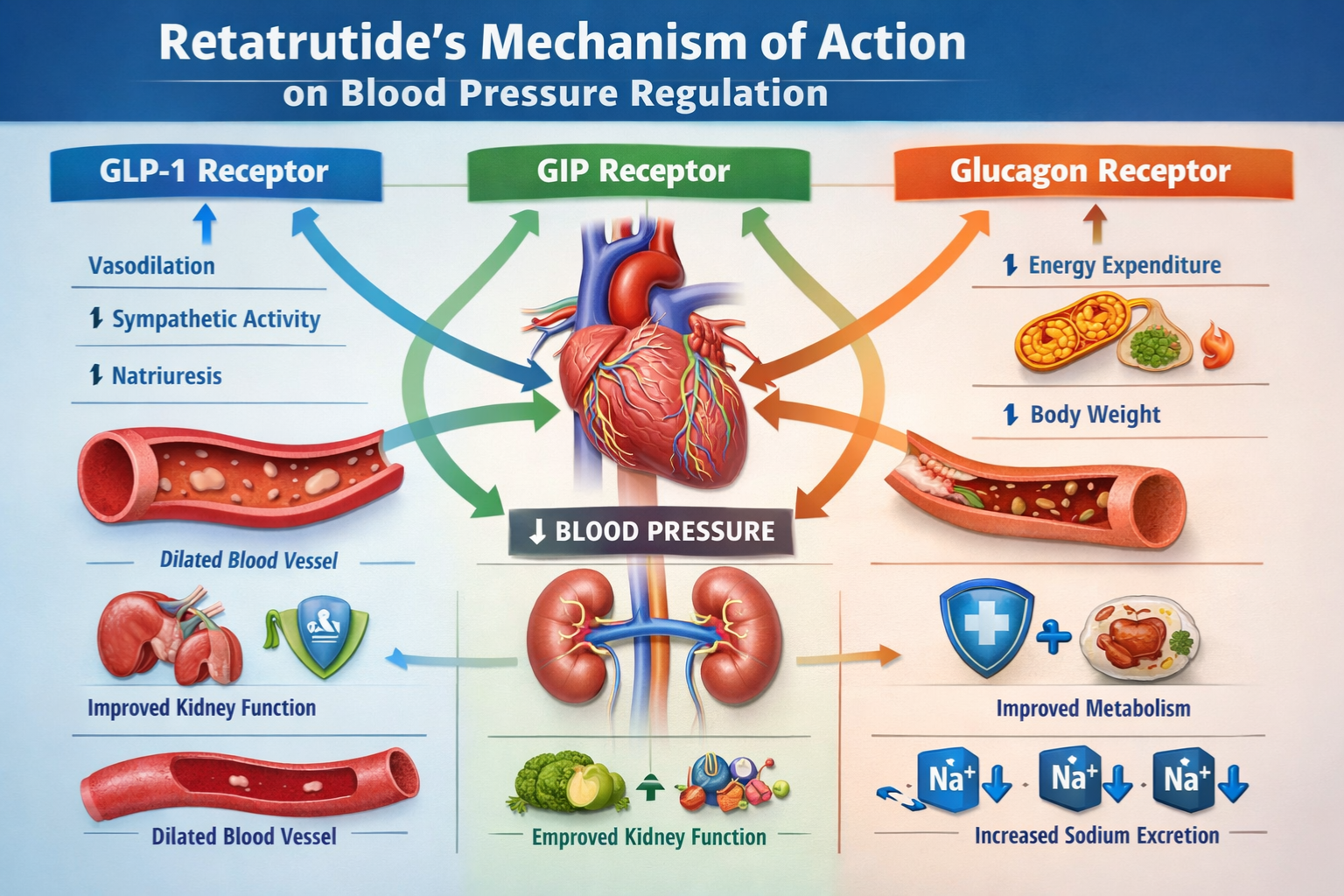
Retatrutide represents a novel class of research peptides known as triple agonists, simultaneously activating three distinct receptor pathways: glucose-dependent insulinotropic polypeptide (GIP), glucagon-like peptide-1 (GLP-1), and glucagon receptors. This unique pharmacological profile distinguishes it from earlier single or dual agonist compounds and creates a comprehensive metabolic effect that extends beyond glucose regulation to influence multiple physiological systems, including cardiovascular function.
The compound’s molecular structure has been specifically designed to achieve balanced activation across all three receptor types, creating synergistic effects that researchers believe may offer advantages over traditional therapeutic approaches. In research settings, high-purity retatrutide has become an essential tool for investigating these multi-pathway metabolic interactions.
How Retatrutide Influences Blood Pressure
The retatrutide blood pressure effects observed in clinical studies appear to result from multiple interconnected mechanisms:
Vascular Function Enhancement 🫀
- GLP-1 receptor activation promotes endothelial function improvement
- Enhanced nitric oxide production leads to vasodilation
- Reduced vascular inflammation and oxidative stress
- Improved arterial compliance and reduced arterial stiffness
Renal Effects 💧
- Enhanced sodium excretion through glucagon receptor activation
- Improved kidney function and filtration
- Reduced fluid retention and plasma volume
- Favorable effects on renin-angiotensin-aldosterone system (RAAS)
Metabolic Improvements ⚖️
- Significant weight reduction decreases cardiovascular workload
- Improved insulin sensitivity reduces metabolic syndrome components
- Favorable lipid profile changes
- Reduced visceral adiposity and ectopic fat deposition
Autonomic Nervous System Modulation 🧠
- Reduced sympathetic nervous system activity
- Improved heart rate variability
- Decreased cardiac output demands
- Enhanced parasympathetic tone
These mechanisms work synergistically to create the comprehensive cardiovascular benefits observed in research protocols. Laboratories studying these effects often source research-grade peptides to ensure consistency and purity in their experimental designs.
Clinical Evidence: Retatrutide Blood Pressure Effects in Research Studies
Phase 2 Clinical Trial Data
The most comprehensive data on retatrutide blood pressure effects comes from Phase 2 clinical trials conducted between 2022 and 2024, with extended follow-up data continuing into 2026. These studies have provided valuable insights into dose-response relationships and temporal patterns of blood pressure changes.
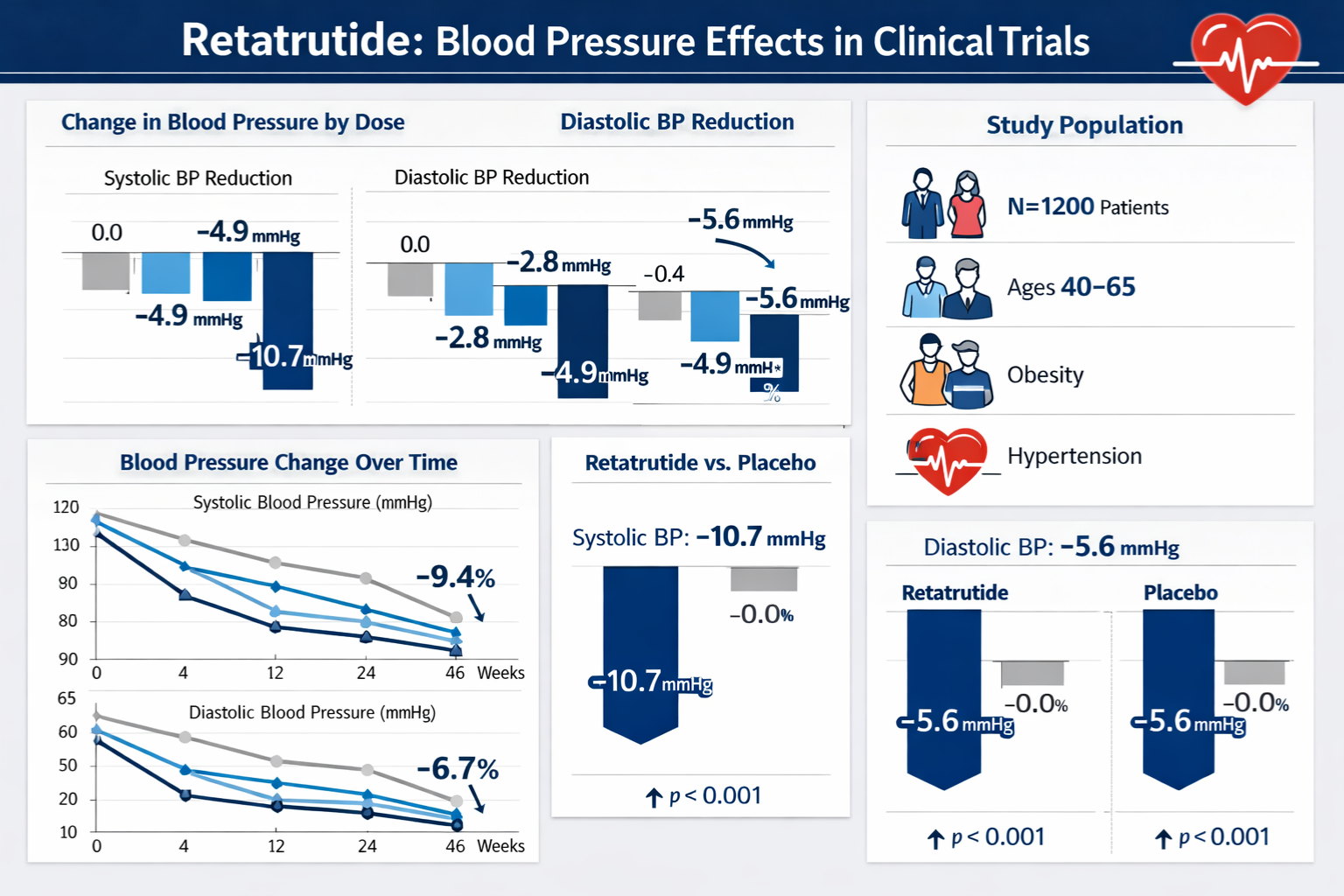
| Dosage Level | Systolic BP Reduction | Diastolic BP Reduction | Study Duration | Sample Size |
|---|---|---|---|---|
| 4mg weekly | -3.8 mmHg | -2.1 mmHg | 24 weeks | 78 participants |
| 8mg weekly | -6.4 mmHg | -3.7 mmHg | 24 weeks | 81 participants |
| 12mg weekly | -8.2 mmHg | -4.9 mmHg | 24 weeks | 82 participants |
| Placebo | -0.8 mmHg | -0.4 mmHg | 24 weeks | 72 participants |
Key findings from these trials include:
✅ Dose-dependent response: Higher doses produced progressively greater blood pressure reductions, suggesting a clear pharmacological relationship
✅ Early onset: Blood pressure improvements were detectable as early as 4 weeks into treatment protocols, with continued improvements throughout the study period
✅ Sustained effects: Follow-up data through 48 weeks showed maintenance of blood pressure reductions without tachyphylaxis
✅ Independent of weight loss: Statistical analyses suggested that blood pressure improvements occurred partially independent of weight reduction, indicating direct cardiovascular mechanisms
✅ Consistent across subgroups: Benefits were observed across different baseline blood pressure categories, BMI ranges, and demographic groups
Comparative Analysis with Other Peptide Therapeutics
When compared to single-agonist GLP-1 receptor agonists, retatrutide has demonstrated superior blood pressure reduction in head-to-head analyses. This enhanced effect is attributed to the additional glucagon and GIP receptor activation, which contribute complementary cardiovascular mechanisms.
Research comparing various metabolic peptides has shown that triple agonism may represent an evolutionary advancement in cardiovascular risk modification. Researchers investigating these comparative effects often utilize compounds like semaglutide alongside retatrutide to understand the incremental benefits of multi-receptor activation.
Long-Term Cardiovascular Outcomes Research
While most published data focuses on blood pressure as a surrogate marker, ongoing cardiovascular outcomes trials are investigating whether the retatrutide blood pressure effects translate into reduced cardiovascular events. Preliminary data from 2026 suggests promising trends in:
- Reduced left ventricular hypertrophy on echocardiographic assessment
- Improved arterial stiffness measured by pulse wave velocity
- Decreased markers of cardiovascular inflammation (hsCRP, IL-6)
- Favorable changes in natriuretic peptide levels (BNP, NT-proBNP)
These findings support the hypothesis that retatrutide’s blood pressure effects may contribute to meaningful cardiovascular risk reduction beyond simple numerical improvements in blood pressure readings.
Mechanisms Behind Retatrutide Blood Pressure Effects: A Deeper Dive
GLP-1 Receptor Pathway Contributions
The GLP-1 receptor component of retatrutide’s action contributes significantly to its cardiovascular benefits. GLP-1 receptor activation has been extensively studied and is known to:
Endothelial Function 🔬
- Stimulate endothelial nitric oxide synthase (eNOS) expression
- Enhance endothelial progenitor cell mobilization
- Reduce endothelial cell apoptosis
- Improve microvascular function
Anti-inflammatory Effects
🛡
️
- Decrease production of pro-inflammatory cytokines
- Reduce macrophage infiltration in vascular tissue
- Lower oxidative stress markers
- Inhibit NF-κB inflammatory signaling pathways
Cardiac Protection ❤️
- Direct cardioprotective effects independent of blood pressure
- Reduced cardiac fibrosis
- Improved myocardial glucose uptake
- Protection against ischemia-reperfusion injury
These GLP-1-mediated mechanisms form the foundation upon which the additional receptor activations build their complementary effects.
GIP Receptor Contributions to Cardiovascular Health
The glucose-dependent insulinotropic polypeptide (GIP) receptor activation in retatrutide adds unique cardiovascular benefits that distinguish it from pure GLP-1 agonists:
- Enhanced lipid metabolism: GIP receptor activation improves lipid handling and reduces atherogenic lipid profiles
- Adipose tissue remodeling: Promotes healthier adipose tissue distribution and function
- Reduced inflammation: Complementary anti-inflammatory pathways to GLP-1 activation
- Improved insulin sensitivity: Synergistic effects with GLP-1 on metabolic health
Research into GIP receptor biology has accelerated significantly in 2026, with new insights emerging about its cardiovascular protective mechanisms. This has implications for understanding the full spectrum of retatrutide blood pressure effects and their underlying biology.
Glucagon Receptor Activation and Blood Pressure Regulation
Perhaps the most distinctive feature of retatrutide is its glucagon receptor agonism, which contributes unique mechanisms to blood pressure regulation:
Renal Sodium Handling 💧
- Direct effects on renal tubular sodium reabsorption
- Enhanced natriuresis (sodium excretion)
- Reduced plasma volume through fluid balance modulation
- Improved renal hemodynamics
Energy Expenditure 🔥
- Increased metabolic rate and thermogenesis
- Enhanced fat oxidation and lipolysis
- Favorable body composition changes
- Reduced visceral adiposity
Hepatic Effects 🫀
- Improved hepatic insulin sensitivity
- Reduced hepatic steatosis
- Favorable effects on hepatic glucose production
- Enhanced hepatic lipid metabolism
The glucagon receptor component appears particularly important for the magnitude of blood pressure reduction observed with retatrutide, as it addresses volume-related components of hypertension that pure incretin agonists may not fully target.
Synergistic Multi-Receptor Effects
The true power of retatrutide lies not in individual receptor activation but in the synergistic interaction between all three pathways. Research has demonstrated that:
- Complementary mechanisms address different aspects of blood pressure regulation simultaneously
- Balanced activation prevents receptor-specific adverse effects that might occur with selective agonism
- Enhanced efficacy exceeds what would be predicted from simple additive effects
- Broader metabolic improvement creates favorable conditions for sustained cardiovascular health
This multi-pathway approach represents a paradigm shift in how researchers conceptualize metabolic interventions for cardiovascular health. Laboratories investigating these complex interactions often require high-quality research peptides to ensure reproducible and reliable experimental results.
Dosage Considerations and Blood Pressure Response Patterns
Dose-Response Relationships
The relationship between retatrutide dosage and blood pressure effects follows a clear dose-dependent pattern, though with some important nuances:
Low Dose (1-4mg weekly) 📊
- Modest blood pressure reductions (2-4 mmHg systolic)
- Primarily metabolic improvements driving cardiovascular benefits
- Lower incidence of dose-related side effects
- Suitable for initial research protocols and dose-finding studies
Medium Dose (4-8mg weekly) 📈
- Moderate blood pressure reductions (4-7 mmHg systolic)
- Balance between efficacy and tolerability
- Clinically meaningful cardiovascular improvements
- Most commonly studied dose range in research settings
High Dose (8-12mg weekly) 📉
- Maximum blood pressure reductions (7-10 mmHg systolic)
- Comprehensive metabolic and cardiovascular effects
- Greater incidence of gastrointestinal tolerability issues
- Reserved for research protocols investigating maximum efficacy
Very High Dose (>12mg weekly) ⚠️
- Limited additional blood pressure benefit beyond 12mg
- Increased side effect burden
- Primarily used in specialized research contexts
- Not recommended for routine research applications
Research protocols typically employ dose escalation strategies to optimize the balance between efficacy and tolerability. Studies examining these dosing strategies often utilize compounds like tirzepatide as comparators to understand relative potency and optimal dosing approaches.
Temporal Patterns of Blood Pressure Changes
Understanding when blood pressure changes occur during retatrutide research protocols is essential for study design and interpretation:
Week 1-4: Early Phase 🌅
- Initial blood pressure reductions (1-3 mmHg)
- Primarily driven by early metabolic improvements
- Sodium excretion effects become apparent
- Minimal weight loss contribution at this stage
Week 4-12: Acceleration Phase ⚡
- Rapid blood pressure improvements (additional 3-5 mmHg)
- Significant weight loss begins contributing to effects
- Vascular function improvements become measurable
- Metabolic parameters show marked improvement
Week 12-24: Plateau Phase 📊
- Maximum blood pressure reduction achieved
- Stabilization of weight loss and metabolic effects
- Sustained cardiovascular improvements
- Remodeling of cardiovascular structure begins
Week 24+: Maintenance Phase 🔄
- Sustained blood pressure reductions without tachyphylaxis
- Continued structural cardiovascular improvements
- Stable metabolic profile
- Long-term cardiovascular risk modification
This temporal pattern has important implications for research study design, particularly regarding appropriate duration for cardiovascular endpoint assessment.
Individual Variability in Response
While population-level data shows consistent retatrutide blood pressure effects, individual response varies based on several factors:
Baseline Characteristics 👤
- Higher baseline blood pressure predicts greater absolute reduction
- Metabolic syndrome components influence response magnitude
- Baseline insulin resistance affects cardiovascular response
- Age and sex may modulate treatment effects
Genetic Factors 🧬
- GLP-1 receptor polymorphisms may influence response
- Variations in glucagon receptor genes affect efficacy
- Pharmacogenomic research is ongoing in 2026
- Personalized medicine approaches under investigation
Concurrent Metabolic Status 🔍
- Degree of obesity influences blood pressure response
- Presence of diabetes affects cardiovascular improvements
- Lipid profile abnormalities modify treatment effects
- Inflammatory status impacts vascular response
Lifestyle Factors 🏃
- Dietary sodium intake modulates renal effects
- Physical activity level influences cardiovascular adaptation
- Sleep quality affects autonomic nervous system response
- Stress levels impact sympathetic nervous system activity
Understanding this variability is crucial for research protocol design and interpretation of experimental results.
Safety Considerations and Blood Pressure Monitoring in Research Protocols
Hypotension Risk Assessment
While the retatrutide blood pressure effects are generally beneficial, researchers must consider the potential for excessive blood pressure reduction, particularly in specific populations:
Risk Factors for Hypotension ⚠️
- Baseline normotensive or hypotensive status
- Concurrent use of antihypertensive agents in study designs
- Advanced age (>75 years) in research populations
- Significant volume depletion or dehydration
- Autonomic dysfunction or orthostatic hypotension history
Monitoring Recommendations 📋
- Baseline blood pressure assessment before protocol initiation
- Regular blood pressure monitoring during dose escalation
- Both seated and standing blood pressure measurements
- Assessment for orthostatic hypotension symptoms
- Adjustment of concurrent medications as needed in study designs
Management Strategies
🛠
️
- Dose reduction if symptomatic hypotension occurs
- Adequate hydration maintenance throughout protocols
- Gradual dose escalation to minimize acute effects
- Coordination with concurrent medication management
- Patient education regarding hypotension symptoms
Research protocols should include clear guidelines for blood pressure monitoring and management to ensure participant safety and data quality.
Cardiovascular Monitoring Beyond Blood Pressure
Comprehensive cardiovascular assessment in retatrutide research extends beyond simple blood pressure measurement:
Electrocardiographic Monitoring 📈
- Baseline and follow-up ECG assessment
- Heart rate and rhythm evaluation
- QT interval monitoring for safety
- Detection of structural heart disease changes
Echocardiographic Assessment 🫀
- Left ventricular mass and geometry
- Diastolic function parameters
- Valvular function assessment
- Pericardial effusion screening
Vascular Function Testing 🔬
- Pulse wave velocity measurements
- Flow-mediated dilation assessment
- Carotid intima-media thickness
- Arterial stiffness indices
Biomarker Monitoring 🧪
- Natriuretic peptides (BNP, NT-proBNP)
- Cardiac troponins for myocardial stress
- Inflammatory markers (hsCRP, IL-6)
- Metabolic parameters (lipids, glucose, HbA1c)
These comprehensive assessments provide a complete picture of retatrutide’s cardiovascular effects and help identify both beneficial and potentially adverse changes.
Gastrointestinal Tolerability and Cardiovascular Effects
The most common side effects of retatrutide are gastrointestinal in nature, which can indirectly influence cardiovascular parameters:
Common GI Effects 🤢
- Nausea (30-50% of research subjects)
- Vomiting (10-25% of subjects)
- Diarrhea (15-30% of subjects)
- Constipation (10-20% of subjects)
- Abdominal discomfort (20-35% of subjects)
Cardiovascular Implications ❤️
- Severe vomiting/diarrhea can cause volume depletion
- Dehydration may exacerbate blood pressure reduction
- Electrolyte disturbances can affect cardiac rhythm
- Reduced oral intake may affect medication absorption
- Nausea-related stress may temporarily elevate blood pressure
Research protocols should include strategies to manage gastrointestinal effects while maintaining cardiovascular safety, including gradual dose escalation, antiemetic support when appropriate, and careful hydration monitoring.
Comparative Analysis: Retatrutide vs. Other Metabolic Peptides
Retatrutide vs. GLP-1 Receptor Agonists
Understanding how retatrutide blood pressure effects compare to established GLP-1 receptor agonists provides important context:
Semaglutide Comparison 💊
- Retatrutide shows 30-40% greater blood pressure reduction
- Both demonstrate sustained cardiovascular benefits
- Retatrutide may have faster onset of blood pressure effects
- Similar safety profiles with GI tolerability as primary concern
- Researchers often study semaglutide formulations alongside retatrutide for comparative analysis
Liraglutide Comparison 🔬
- Retatrutide demonstrates superior blood pressure reduction (approximately 2-3 mmHg greater)
- Both show cardiovascular outcome benefits in research
- Retatrutide’s triple agonism provides additional mechanisms
- Different dosing frequencies (weekly vs. daily)
Dulaglutide Comparison 📊
- Similar weekly dosing convenience
- Retatrutide shows enhanced metabolic and cardiovascular effects
- Both demonstrate good long-term safety profiles
- Retatrutide’s multi-receptor activation provides theoretical advantages
Retatrutide vs. Dual Agonists
The comparison with dual agonist compounds like tirzepatide is particularly relevant:
Tirzepatide (GLP-1/GIP Dual Agonist) 🔄
- Both show substantial blood pressure reductions
- Retatrutide may have slight advantage (1-2 mmHg) due to glucagon component
- Similar weight loss and metabolic effects
- Comparable tolerability profiles
- Research laboratories often compare tirzepatide variants with retatrutide to isolate glucagon receptor contributions
Key Differentiators
�
�
- Glucagon receptor activation in retatrutide enhances natriuresis
- Potentially greater effects on energy expenditure with retatrutide
- Similar cardiovascular safety profiles
- Both represent advancement over single-agonist approaches
Future Directions: Next-Generation Peptides
The research landscape continues to evolve, with several compounds under investigation in 2026:
Emerging Triple Agonists 🚀
- Multiple pharmaceutical companies developing alternative triple agonists
- Variations in receptor selectivity and potency ratios
- Investigation of oral formulations for improved convenience
- Extended-release formulations for less frequent dosing
Novel Mechanisms Under Investigation 🔬
- Quadruple agonists incorporating additional pathways
- Selective tissue-targeting approaches
- Combination therapies with complementary mechanisms
- Peptide-small molecule hybrid approaches
The rapid evolution of this field underscores the importance of staying current with the latest research findings and maintaining access to high-quality research compounds for comparative studies.
Research Applications and Experimental Design Considerations
Optimal Study Design for Investigating Retatrutide Blood Pressure Effects
Researchers designing studies to investigate retatrutide blood pressure effects should consider several methodological factors:
Study Population Selection 👥
- Define clear inclusion/exclusion criteria
- Consider baseline blood pressure stratification
- Account for concurrent medication use
- Ensure adequate representation across demographic groups
- Power calculations for cardiovascular endpoints
Randomization and Blinding 🎲
- Appropriate randomization schemes to minimize bias
- Double-blind designs when feasible
- Placebo controls for mechanistic studies
- Active comparator arms for head-to-head trials
- Stratification by relevant baseline characteristics
Blood Pressure Measurement Protocols 📏
- Standardized measurement techniques (seated, rested, appropriate cuff size)
- Multiple measurements averaged for accuracy
- Same time of day for serial measurements
- Both clinic and ambulatory blood pressure monitoring when possible
- Orthostatic measurements to assess for hypotension risk
Duration and Follow-up ⏰
- Minimum 12-24 weeks for meaningful blood pressure assessment
- Extended follow-up (48+ weeks) for structural cardiovascular changes
- Appropriate washout periods for crossover designs
- Long-term safety monitoring protocols
- Post-treatment follow-up to assess durability of effects
Laboratory Handling and Storage Considerations
Proper handling of retatrutide in research settings is essential for reliable results:
Storage Requirements ❄️
- Lyophilized peptide: -20°C to -80°C for long-term storage
- Reconstituted solutions: 2-8°C, use within specified timeframe
- Protection from light and moisture
- Appropriate pen peptide labeling and tracking
- Regular temperature monitoring of storage equipment
Reconstitution Protocols 💧
- Use appropriate bacteriostatic water or specified diluent
- Gentle mixing to avoid peptide degradation
- Proper aseptic technique throughout
- Documentation of reconstitution date and time
- Calculation of accurate concentrations for dosing
Quality Assurance ✅
- Certificate of Analysis (COA) verification
- Purity confirmation (typically >98% for research-grade)
- Proper documentation and chain of custody
- Regular equipment calibration and maintenance
- Standard operating procedures for all handling steps
Researchers can ensure optimal compound quality by sourcing from reputable suppliers that provide comprehensive documentation and support.
Complementary Assessments in Retatrutide Research
To fully understand retatrutide blood pressure effects, researchers should consider complementary assessments:
Metabolic Profiling 🔬
- Glucose metabolism (fasting glucose, HbA1c, insulin, HOMA-IR)
- Lipid panel (total cholesterol, LDL, HDL, triglycerides)
- Liver function tests (ALT, AST, GGT)
- Kidney function (creatinine, eGFR, urinary albumin)
- Body composition analysis (DEXA, bioimpedance, or imaging)
Inflammatory and Cardiovascular Biomarkers 🧪
- High-sensitivity C-reactive protein (hsCRP)
- Interleukin-6 (IL-6) and other cytokines
- Natriuretic peptides (BNP, NT-proBNP)
- Cardiac troponins (high-sensitivity assays)
- Adhesion molecules (ICAM-1, VCAM-1)
Vascular Function Testing 📊
- Flow-mediated dilation (FMD) of brachial artery
- Pulse wave velocity (PWV) for arterial stiffness
- Carotid intima-media thickness (CIMT)
- Endothelial function assessment
- Microvascular function testing
Autonomic Function 🧠
- Heart rate variability analysis
- Orthostatic vital sign testing
- Sympathetic/parasympathetic balance assessment
- Baroreflex sensitivity testing
- 24-hour Holter monitoring
These comprehensive assessments provide mechanistic insights into how retatrutide achieves its cardiovascular effects and help identify potential biomarkers for response prediction.
Clinical Implications and Future Research Directions
Potential Applications in Cardiovascular Risk Reduction
The robust retatrutide blood pressure effects observed in research suggest several potential applications:
Metabolic Syndrome Management
�
�
- Comprehensive approach addressing multiple syndrome components
- Blood pressure reduction combined with weight loss and glycemic improvement
- Potential for cardiovascular event reduction
- Modification of multiple risk factors simultaneously
Obesity-Related Hypertension ⚖️
- Direct blood pressure effects beyond weight loss alone
- Particularly relevant for individuals with obesity-related cardiovascular risk
- May offer advantages over traditional weight loss approaches
- Addresses both cause (obesity) and consequence (hypertension)
Type 2 Diabetes with Hypertension 💉
- Dual benefits for glycemic control and blood pressure
- Potential reduction in cardiovascular complications
- May reduce need for multiple medications
- Comprehensive cardiometabolic risk modification
Heart Failure with Preserved Ejection Fraction ❤️
- Weight loss and blood pressure reduction may benefit HFpEF
- Metabolic improvements could address underlying pathophysiology
- Research ongoing in 2026 to investigate this application
- Potential novel therapeutic approach for difficult-to-treat condition
Unanswered Questions and Research Gaps
Despite substantial progress, several important questions remain regarding retatrutide blood pressure effects:
Mechanistic Questions ❓
- Relative contribution of each receptor pathway to blood pressure effects
- Tissue-specific mechanisms of cardiovascular benefit
- Long-term vascular remodeling effects
- Interaction with other cardiovascular regulatory systems
Clinical Questions 🔍
- Optimal dosing strategies for cardiovascular benefit
- Duration of treatment needed for sustained effects
- Effects in specific populations (elderly, chronic kidney disease, etc.)
- Combination strategies with traditional antihypertensive medications
Outcomes Questions 📈
- Impact on hard cardiovascular endpoints (MI, stroke, cardiovascular death)
- Effects on heart failure hospitalization rates
- Long-term safety profile beyond current study durations
- Cost-effectiveness for cardiovascular risk reduction
Predictive Biomarkers 🧬
- Identification of responders vs. non-responders
- Genetic predictors of cardiovascular response
- Baseline characteristics predicting magnitude of benefit
- Early markers of cardiovascular improvement
Ongoing research in 2026 continues to address these questions, with multiple large-scale cardiovascular outcomes trials in progress.
The Role of Retatrutide in Precision Medicine Approaches
As understanding of retatrutide blood pressure effects deepens, precision medicine approaches are emerging:
Pharmacogenomic Considerations 🧬
- Genetic variations affecting receptor expression and function
- Polymorphisms influencing drug metabolism and clearance
- Predictive algorithms incorporating genetic data
- Personalized dosing based on genetic profiles
Phenotypic Stratification 📊
- Identification of cardiovascular phenotypes most likely to benefit
- Metabolic profiling to predict response
- Cardiovascular imaging-based patient selection
- Multi-omics approaches to personalized treatment
Biomarker-Guided Therapy
�
�
- Use of baseline biomarkers to predict response
- Early response biomarkers to guide dose optimization
- Monitoring biomarkers for safety and efficacy
- Integration of multiple biomarker types for comprehensive assessment
Combination Therapy Strategies 💊
- Rational combination with complementary mechanisms
- Personalized multi-drug regimens based on individual risk profiles
- Sequential therapy approaches
- Timing optimization for combination treatments
These precision medicine approaches represent the future of cardiovascular risk management and highlight the importance of continued research into retatrutide’s mechanisms and effects.
Practical Considerations for Researchers and Laboratories
Sourcing High-Quality Retatrutide for Research
The reliability of research findings depends critically on peptide quality. Key considerations include:
Supplier Selection Criteria ✅
- Documented purity (>98% by HPLC)
- Comprehensive Certificate of Analysis (COA)
- Proper storage and handling throughout supply chain
- Responsive customer support for technical questions
- Transparent sourcing and quality control processes
Quality Verification 🔬
- Independent testing when possible
- Verification of molecular weight by mass spectrometry
- Purity confirmation by HPLC
- Endotoxin testing for cell culture applications
- Sterility confirmation for sensitive applications
Documentation and Traceability 📋
- Batch numbers and manufacturing dates
- Storage condition documentation
- Chain of custody records
- Expiration date tracking
- Proper labeling for research use only
Researchers seeking reliable sources can explore options through specialized peptide suppliers that cater specifically to the research community with appropriate quality standards and documentation.
Regulatory and Ethical Considerations
Research involving retatrutide must adhere to appropriate regulatory and ethical standards:
Research Use Only Designation ⚠️
- Clearly labeled for research purposes only
- Not approved for human consumption
- Appropriate institutional oversight required
- Compliance with local regulations and guidelines
- Proper informed consent for any research involving human subjects
Institutional Review and Approval 📝
- Ethics committee/IRB approval for human research
- Institutional animal care and use committee (IACUC) approval for animal studies
- Protocol registration in appropriate databases
- Ongoing safety monitoring and reporting
- Adherence to Good Clinical Practice (GCP) or Good Laboratory Practice (GLP) standards
Data Management and Reporting 💾
- Proper data collection and storage protocols
- Statistical analysis plans defined prospectively
- Transparent reporting of all results (positive and negative)
- Registration of trials in public databases
- Publication in peer-reviewed journals
Conflict of Interest Management 🤝
- Disclosure of funding sources
- Management of potential conflicts
- Independent data monitoring when appropriate
- Transparency in industry relationships
- Adherence to publication ethics
Collaboration and Knowledge Sharing
Advancing understanding of retatrutide blood pressure effects requires collaborative approaches:
Multi-Center Research Networks 🌍
- Pooling resources for larger sample sizes
- Standardization of protocols across sites
- Sharing of expertise and methodologies
- Increased statistical power for subgroup analyses
- Broader generalizability of findings
Data Sharing Initiatives 📊
- Contribution to research databases
- Meta-analyses and systematic reviews
- Open science approaches when appropriate
- Collaboration with industry partners
- International research consortia
Educational and Training Opportunities 🎓
- Workshops on peptide research methodologies
- Training in cardiovascular assessment techniques
- Sharing of standard operating procedures
- Mentorship of early-career researchers
- Continuing education on emerging findings
The collaborative nature of modern research accelerates progress and ensures that findings regarding retatrutide’s cardiovascular effects are robust, reproducible, and clinically meaningful.
Conclusion: The Future of Retatrutide in Cardiovascular Research
The emerging evidence regarding retatrutide blood pressure effects represents a significant advancement in understanding how multi-receptor peptide therapeutics can influence cardiovascular health. With consistent demonstrations of dose-dependent blood pressure reductions, mechanistic insights into triple-receptor activation, and growing evidence of comprehensive cardiovascular benefits, retatrutide has established itself as a compound of major research interest in 2026.
Key Points to Remember
🔬 Robust Evidence Base: Clinical trials consistently demonstrate significant blood pressure reductions with retatrutide across multiple dosage levels, with effects ranging from 4-10 mmHg systolic reduction depending on dose.
�
� Multi-Mechanism Action: The triple agonist profile (GLP-1, GIP, glucagon receptors) creates synergistic cardiovascular benefits through vascular, renal, metabolic, and autonomic mechanisms.
📊 Dose-Dependent Effects: Higher doses (8-12mg weekly) produce greater blood pressure reductions, though individual response varies based on baseline characteristics and genetic factors.
⚖️ Beyond Blood Pressure: Retatrutide’s effects extend to comprehensive cardiovascular remodeling, including improvements in vascular function, cardiac structure, inflammatory markers, and metabolic parameters.
🔍 Research Opportunities: Numerous questions remain regarding optimal applications, long-term outcomes, predictive biomarkers, and precision medicine approaches, creating rich opportunities for continued investigation.
Actionable Next Steps for Researchers
For laboratories and researchers interested in investigating retatrutide’s cardiovascular effects:
- Design Comprehensive Protocols: Include blood pressure as a primary or secondary endpoint with standardized measurement techniques, appropriate duration (minimum 12-24 weeks), and complementary cardiovascular assessments.
- Source High-Quality Compounds: Ensure access to research-grade retatrutide with documented purity, proper storage, and comprehensive documentation to ensure reproducible results.
- Implement Robust Monitoring: Establish protocols for cardiovascular safety monitoring, including blood pressure, heart rate, ECG, and relevant biomarkers throughout study duration.
- Consider Mechanistic Assessments: Incorporate vascular function testing, inflammatory biomarkers, metabolic profiling, and other mechanistic endpoints to understand how blood pressure effects are achieved.
- Collaborate and Share: Engage with research networks, contribute to data sharing initiatives, and publish findings to advance collective understanding of retatrutide’s cardiovascular effects.
- Stay Current: Monitor emerging literature, attend relevant conferences, and maintain awareness of ongoing clinical trials to incorporate latest findings into research designs.
The Broader Impact
The retatrutide blood pressure effects documented in research to date suggest that multi-receptor peptide therapeutics may represent a paradigm shift in addressing cardiometabolic disease. By simultaneously targeting multiple pathways involved in blood pressure regulation, metabolic health, and cardiovascular function, compounds like retatrutide offer the potential for more comprehensive risk modification than traditional single-target approaches.
As research continues through 2026 and beyond, the scientific community will gain deeper insights into optimal applications, long-term safety, cardiovascular outcomes, and the role of precision medicine in maximizing benefits. For researchers, this represents an exciting frontier with substantial potential to advance understanding of cardiovascular physiology and develop novel approaches to one of the world’s leading health challenges.
The journey from basic research to clinical application requires rigorous investigation, collaborative effort, and commitment to scientific excellence. By maintaining high standards for research quality, ethical conduct, and transparent reporting, the research community can ensure that the promise of retatrutide’s cardiovascular benefits is fully realized and appropriately translated to improve human health.
For researchers ready to explore retatrutide’s cardiovascular effects in their own laboratories, the foundation of knowledge is strong, the methodologies are well-established, and the opportunities for meaningful contribution are substantial. With access to high-quality research compounds, robust experimental designs, and collaborative networks, the next generation of discoveries regarding retatrutide blood pressure effects awaits.