


Experiencing digestive disruption while taking Mounjaro (tirzepatide) can be frustrating, uncomfortable, and concerning. Diarrhea on Mounjaro: What Helps is a question many patients ask when facing this common side effect that affects up to 17% of users at higher doses. Understanding why this happens and knowing which evidence-based strategies provide relief can transform your treatment experience from challenging to manageable.
Mounjaro has revolutionized metabolic health management, but its impact on the gastrointestinal system means many patients encounter loose stools, frequent bowel movements, and digestive discomfort during treatment. The good news? Most cases resolve naturally as your body adjusts, and several proven interventions can significantly reduce symptoms while you continue benefiting from this medication’s therapeutic effects.
Key Takeaways
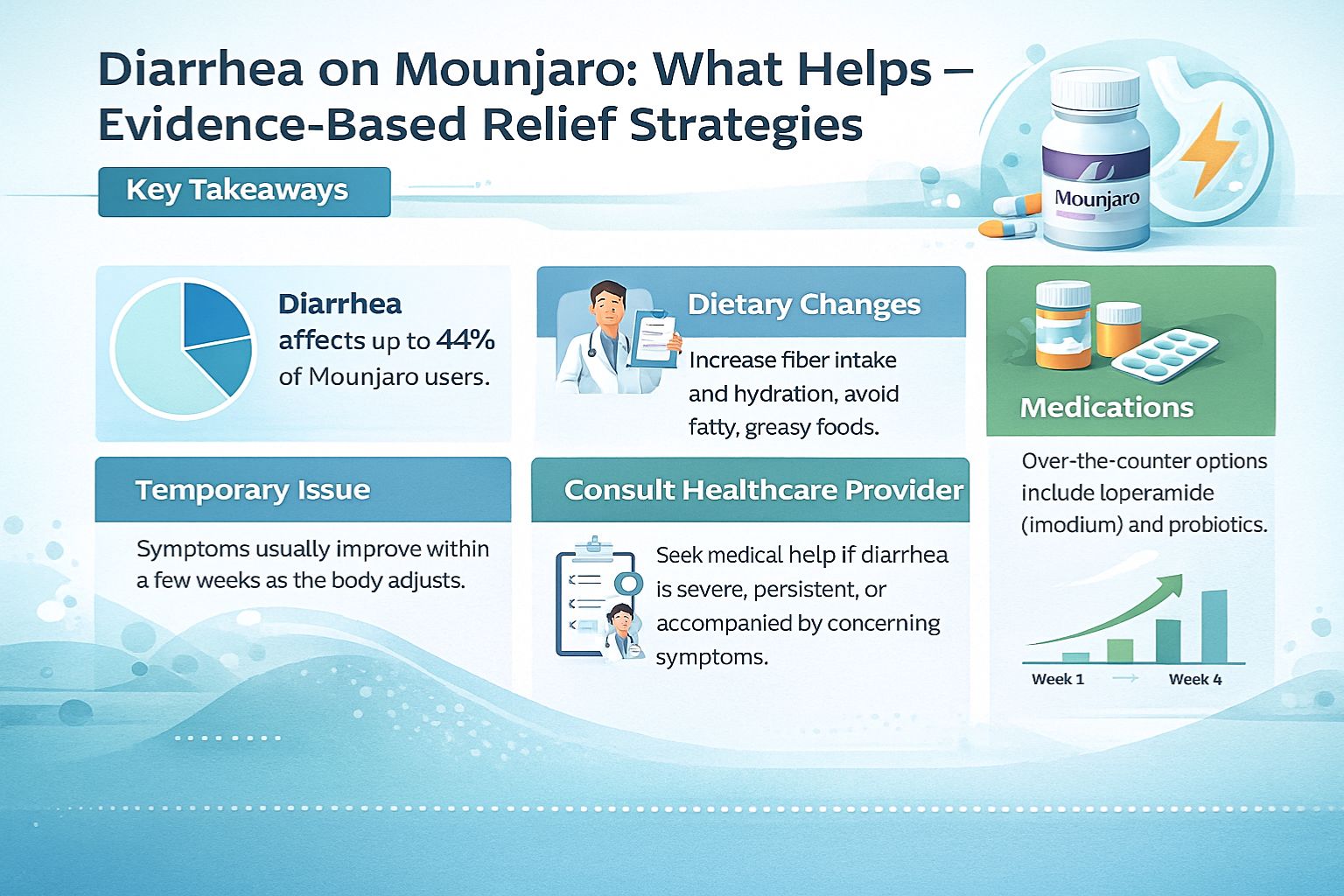
- Diarrhea affects 12-17% of Mounjaro patients, with higher doses increasing likelihood of symptoms that typically improve within weeks to months[6]
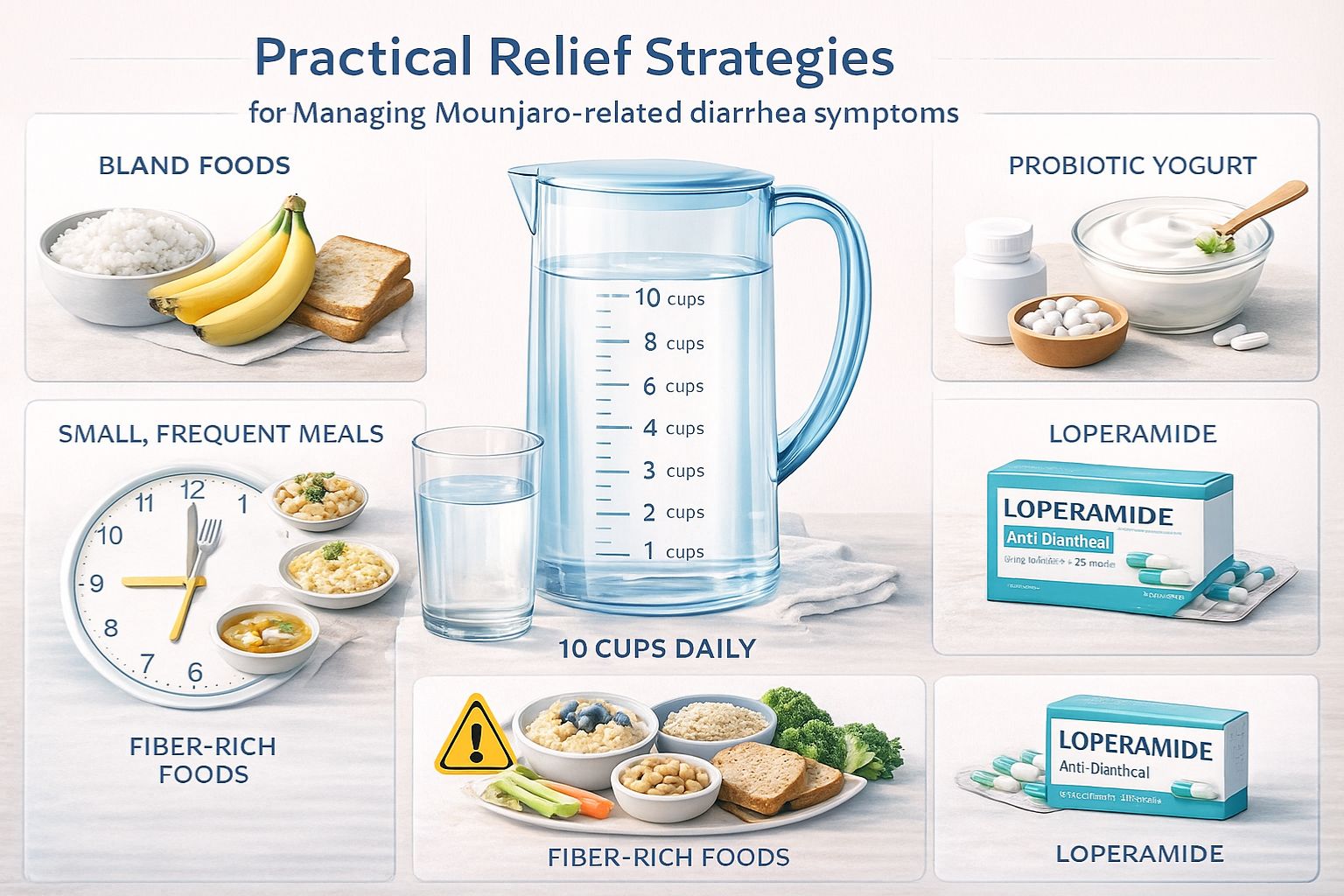
- Hydration is critical: consuming 10 cups (4 pints) of fluids daily prevents dehydration from fluid loss in loose stools[1]
- Dietary modifications including smaller, frequent meals and temporary reduction of high-fat foods significantly reduce symptom severity[1][4]
- Over-the-counter medications like loperamide can provide short-term relief when used appropriately under medical guidance[5][8]
- Medical consultation is essential if diarrhea persists beyond 7 days or becomes severe, as this requires professional evaluation[1]
Understanding Why Mounjaro Causes Diarrhea
Before exploring Diarrhea on Mounjaro: What Helps, understanding the underlying mechanisms explains why this side effect occurs and why certain interventions prove effective.
The Gastric Emptying Effect 🔄
Mounjaro (tirzepatide) functions as a dual glucose-dependent insulinotropic polypeptide (GIP) and glucagon-like peptide-1 (GLP-1) receptor agonist. One of its primary mechanisms involves slowing gastric emptying—the rate at which food moves from your stomach into your intestines[1][2].
This deliberate slowing helps with:
- Blood sugar regulation
- Appetite reduction
- Prolonged satiety
However, this altered digestive timing changes how quickly food moves through your gastrointestinal tract, reducing the intestines’ ability to absorb water from digesting food. The result? Loose, watery stools that characterize diarrhea.
Bile Acid Secretion Changes
Research indicates that Mounjaro increases bile acid secretion into the digestive tract[2]. Bile acids, while essential for fat digestion, can irritate the intestinal lining when present in higher concentrations. This irritation stimulates the intestines to:
- Secrete more fluid
- Increase motility (movement)
- Reduce water reabsorption
These combined effects contribute significantly to diarrhea development, particularly in patients taking higher doses.
Gut Microbiome Shifts 🦠
Emerging research suggests that GLP-1 receptor agonists like Mounjaro may alter the gut microbiome—the complex community of bacteria and other microorganisms living in your digestive system[2]. These microorganisms play crucial roles in:
- Nutrient absorption
- Immune function
- Digestive regulation
- Stool consistency
When Mounjaro shifts this bacterial balance, some patients experience digestive changes including diarrhea as their microbiome adapts to the medication’s presence.
Dose-Dependent Relationship
Clinical trial data reveals a clear dose-response relationship with Mounjaro-related diarrhea[6]:
| Mounjaro Dose | Diarrhea Incidence |
|---|---|
| 5 mg | 12% of patients |
| 15 mg | 17% of patients |
This pattern demonstrates that higher doses increase the likelihood and potentially the severity of gastrointestinal side effects, though individual responses vary considerably.
For researchers interested in peptide mechanisms and quality compounds for laboratory studies, Peptide Pro offers research-grade materials with comprehensive documentation.
Diarrhea on Mounjaro: What Helps – Proven Relief Strategies
Managing digestive symptoms requires a multi-faceted approach combining hydration, dietary modifications, lifestyle adjustments, and when appropriate, medical interventions.
Hydration: Your First Line of Defense 💧
Adequate fluid intake represents the single most important intervention for managing diarrhea on Mounjaro. Loose stools cause significant fluid loss, and dehydration compounds discomfort while creating additional health risks.
Evidence-based hydration guidelines:
- Consume 10 cups (4 pints) of fluids daily[1]
- Choose water, diluted squash, herbal teas, or clear broths
- Avoid caffeinated beverages that may worsen dehydration
- Monitor urine color (pale yellow indicates adequate hydration)
- Consider oral rehydration solutions if experiencing severe symptoms
Signs of dehydration to watch for:
- Dark urine
- Dizziness or lightheadedness
- Dry mouth and lips
- Decreased urination frequency
- Fatigue or weakness
Maintaining proper hydration not only prevents dehydration complications but also helps your digestive system function more effectively during this adjustment period.
Dietary Modifications That Make a Difference
Strategic dietary changes significantly reduce Diarrhea on Mounjaro: What Helps symptom severity while supporting overall digestive health.
Smaller, More Frequent Meals
️Eating smaller portions throughout the day prevents overwhelming your already-challenged digestive system[1][4]. This approach:
- Reduces gastric distension
- Minimizes digestive workload at any given time
- Helps maintain stable blood sugar
- Decreases likelihood of triggering diarrhea episodes
Practical implementation:
- Divide daily food intake into 5-6 smaller meals
- Eat every 2-3 hours
- Stop eating when comfortably satisfied, not full
- Keep portions modest (fist-sized or smaller)
The Fiber Paradox
Fiber’s role in managing Mounjaro-related diarrhea requires nuanced understanding. While fiber typically supports digestive health, temporarily reducing insoluble fiber during acute diarrhea episodes can help[1][4].
Fiber strategy:
During active diarrhea:
- Reduce raw vegetables, whole grains, nuts, and seeds
- Choose refined grains temporarily (white rice, white bread)
- Peel fruits to remove insoluble fiber
As symptoms improve:
- Gradually reintroduce soluble fiber sources
- Include oats, peeled apples, bananas
- Add fiber slowly to assess tolerance
- Monitor symptom response
Foods to Avoid ❌
Certain foods exacerbate digestive disruption and should be limited or avoided during symptomatic periods[1][6]:
High-fat and fried foods:
- Slow digestion further
- Increase bile acid secretion
- Worsen loose stools
Dairy products:
- May cause additional digestive stress
- Lactose can compound diarrhea
- Consider lactose-free alternatives if needed
Caffeinated beverages:
- Coffee, energy drinks, some teas
- Stimulate intestinal motility
- Contribute to dehydration
Gas-producing foods:
- Beans, lentils, cabbage, broccoli
- Carbonated beverages
- May increase abdominal discomfort
Spicy and heavily seasoned foods:
- Irritate digestive tract
- May trigger or worsen symptoms
The BRAT Diet Approach
The BRAT diet (Bananas, Rice, Applesauce, Toast) provides gentle, easily digestible foods that can help firm stools[4]:
- Bananas: Rich in potassium, easy to digest
- Rice: White rice absorbs excess fluid
- Applesauce: Provides pectin, a soluble fiber
- Toast: Simple carbohydrate, minimal digestive stress
While not intended as a long-term eating plan, the BRAT diet offers temporary relief during acute episodes.
Over-the-Counter Medications 💊
When dietary and lifestyle modifications prove insufficient, over-the-counter antidiarrheal medications may provide additional relief.
Loperamide (Imodium):
- Slows intestinal motility
- Increases water absorption
- Provides short-term symptom relief[5][8]
Important considerations:
- Consult your healthcare provider before use
- Use only as directed on packaging
- Avoid prolonged use without medical supervision
- Not appropriate for all patients or situations
Bismuth subsalicylate (Pepto-Bismol):
- Coats digestive tract
- Reduces inflammation
- May help with associated nausea
Probiotic Support 🦠
Probiotics—beneficial bacteria that support digestive health—may help restore gut microbiome balance disrupted by Mounjaro[5].
Evidence for probiotic use:
- May reduce diarrhea duration
- Supports healthy bacterial communities
- Generally safe with few side effects
Probiotic sources:
Supplements:
- Look for multi-strain formulations
- Choose products with at least 10 billion CFU
- Refrigerated varieties often contain more viable bacteria
Probiotic-rich foods:
- Plain yogurt with live cultures
- Kefir
- Sauerkraut (unpasteurized)
- Kimchi
- Kombucha (in moderation)
For researchers exploring peptide-related compounds and their effects on metabolic processes, Peptide Pro’s research catalogue provides high-purity materials for laboratory investigation.
Timing and Patience ⏰
Understanding the typical timeline for symptom resolution helps set realistic expectations:
Week 1-2:
- Symptoms often most pronounced
- Body beginning adjustment process
- Implement all supportive strategies
Week 3-4:
- Many patients notice improvement
- Digestive system adapting
- Continue supportive measures
Month 2-3:
- Most cases significantly improved or resolved[3][4][5]
- Gradual return to normal dietary patterns
- Maintenance of healthy habits
“Most Mounjaro-related diarrhea is mild to moderate and improves within a few weeks to months as your body adjusts to the medication.”[3][4][5]
This natural resolution timeline reinforces the importance of persistence with supportive strategies while allowing your body time to adapt.
When to Seek Medical Attention
While most Diarrhea on Mounjaro: What Helps cases resolve with self-care strategies, certain situations require professional medical evaluation.
Red Flags Requiring Immediate Contact 🚨
Contact your GP or healthcare provider if:
- Diarrhea persists longer than 7 days[1]
- Severe abdominal pain accompanies symptoms
- Blood appears in stools
- Signs of severe dehydration develop
- Fever accompanies digestive symptoms
- Significant unintended weight loss occurs
- Symptoms dramatically worsen
Medication Adjustment Considerations
Your healthcare provider may consider:
Dose reduction:
- Temporarily lowering Mounjaro dose
- Slower titration schedule
- Reassessment after symptom improvement
Alternative timing:
- Adjusting administration schedule
- Taking medication with food
- Spacing doses differently
Medication change:
- Switching to alternative GLP-1 agonist
- Different metabolic medication class
- Individualized treatment approach
Never adjust medication dosing or discontinue Mounjaro without consulting your prescribing healthcare provider. Proper medical guidance ensures both symptom management and continued therapeutic benefit.
For those interested in learning more about peptide research and quality standards, Peptide Pro’s about page details their commitment to research-grade compounds and scientific integrity.
Lifestyle Strategies for Long-Term Management
Beyond immediate symptom relief, certain lifestyle modifications support digestive health throughout Mounjaro treatment.
Stress Management Techniques 🧘
Stress significantly impacts digestive function through the gut-brain axis—the bidirectional communication between your nervous system and gastrointestinal tract.
Evidence-based stress reduction:
- Mindfulness meditation: 10-15 minutes daily
- Deep breathing exercises: During stressful moments
- Regular physical activity: Moderate exercise as tolerated
- Adequate sleep: 7-9 hours nightly
- Progressive muscle relaxation: Evening routine
Physical Activity Considerations
Moderate exercise supports digestive health, but intensity matters during symptomatic periods:
Beneficial activities:
- Walking (20-30 minutes daily)
- Gentle yoga
- Swimming
- Stretching routines
Activities to avoid during acute symptoms:
- High-intensity interval training
- Long-distance running
- Activities far from restroom facilities
- Exercises causing abdominal jostling
Meal Timing Optimization
Strategic meal timing relative to Mounjaro administration may reduce symptoms:
- Take medication at consistent times
- Eat smaller meals throughout the day
- Avoid large meals close to bedtime
- Allow 2-3 hours between eating and lying down
- Monitor which timing patterns work best for you
Food and Symptom Journaling 📝
Maintaining a detailed record helps identify personal triggers and effective strategies:
Track daily:
- Foods consumed (types, portions, timing)
- Symptom severity and timing
- Medication administration
- Fluid intake
- Bowel movement frequency and consistency
- Stress levels
- Sleep quality
This data provides valuable insights for both self-management and discussions with healthcare providers.
Special Considerations and Individual Factors
Diarrhea on Mounjaro: What Helps varies based on individual circumstances requiring personalized approaches.
Pre-existing Digestive Conditions
Patients with underlying gastrointestinal disorders may experience more pronounced or prolonged symptoms:
Conditions requiring extra attention:
- Irritable bowel syndrome (IBS)
- Inflammatory bowel disease (IBD)
- Celiac disease
- Chronic gastritis
- Previous gastrointestinal surgery
These patients should work closely with both their prescribing physician and gastroenterologist to develop comprehensive management strategies.
Medication Interactions
Certain medications may compound digestive symptoms when combined with Mounjaro:
- Metformin (commonly prescribed with Mounjaro)
- Antibiotics
- Magnesium supplements
- Other diabetes medications
Discuss all medications and supplements with your healthcare provider to identify potential contributors to symptoms.
Age and Metabolic Factors
Older adults may experience:
- Increased dehydration risk
- Slower symptom resolution
- Greater need for electrolyte monitoring
- More pronounced medication effects
Younger patients might:
- Adapt more quickly
- Tolerate higher doses with fewer symptoms
- Require different dietary strategies
Nutritional Status Monitoring
Prolonged diarrhea can affect nutrient absorption, particularly:
- Electrolytes: Sodium, potassium, magnesium
- Vitamins: B-complex, vitamin D
- Minerals: Iron, calcium, zinc
Consider discussing nutritional supplementation with your healthcare provider if symptoms persist beyond several weeks.
For researchers investigating metabolic peptides and their mechanisms, Peptide Pro’s contact page provides access to technical support and product information for laboratory applications.
Comparing Mounjaro to Other GLP-1 Receptor Agonists
Understanding how Mounjaro’s side effect profile compares to similar medications provides helpful context.
Diarrhea Rates Across Medications
| Medication | Class | Diarrhea Incidence |
|---|---|---|
| Mounjaro (tirzepatide) | Dual GIP/GLP-1 | 12-17%[6] |
| Ozempic (semaglutide) | GLP-1 | 8-9% |
| Trulicity (dulaglutide) | GLP-1 | 12-13% |
| Victoza (liraglutide) | GLP-1 | 10-12% |
Mounjaro’s dual receptor activity may contribute to its slightly higher diarrhea rates, though individual responses vary significantly.
Mechanism Differences
Mounjaro’s unique profile:
- Activates both GIP and GLP-1 receptors
- May have more pronounced gastric emptying effects
- Different bile acid secretion patterns
- Distinct microbiome impact
These mechanistic differences explain why some patients tolerate one medication better than another, and why switching medications sometimes resolves persistent symptoms.
Prevention Strategies for New Mounjaro Users
For patients beginning Mounjaro treatment, proactive strategies may prevent or minimize diarrhea development.
Gradual Dose Titration 📈
Slow, methodical dose increases allow your digestive system time to adapt:
Standard titration schedule:
- Start: 2.5 mg weekly for 4 weeks
- Increase: 5 mg weekly for 4 weeks
- Continue: Gradual increases as prescribed
- Monitor: Symptoms at each dose level
Extended titration for sensitive patients:
- Remain at lower doses longer
- Increase by smaller increments
- Allow 6-8 weeks between increases
- Prioritize tolerance over rapid titration
Dietary Preparation
Before starting Mounjaro:
- Establish baseline eating patterns
- Identify potentially problematic foods
- Stock gentle, easily digestible options
- Plan meal timing strategies
- Prepare hydration systems
Baseline Digestive Health Optimization
Strengthen digestive resilience:
- Address pre-existing digestive issues
- Establish regular bowel patterns
- Optimize fiber intake gradually
- Begin probiotic supplementation
- Reduce known dietary triggers
Setting Realistic Expectations
Understanding that digestive adjustment is common reduces anxiety and supports persistence:
- Expect some digestive changes
- Recognize symptoms as temporary
- Prepare management strategies in advance
- Maintain open communication with healthcare team
- Focus on long-term therapeutic benefits
The Research Perspective: Ongoing Studies
Scientific investigation continues exploring Diarrhea on Mounjaro: What Helps through various research avenues.
Microbiome Research 🔬
Current studies examine:
- Specific bacterial changes during Mounjaro treatment
- Probiotic strains most effective for symptom management
- Long-term microbiome adaptation patterns
- Personalized microbiome-based interventions
Pharmacological Investigations
Researchers are exploring:
- Modified release formulations
- Combination therapies reducing side effects
- Predictive biomarkers for symptom development
- Personalized dosing algorithms
Dietary Intervention Trials
Ongoing research evaluates:
- Optimal macronutrient ratios during treatment
- Specific fiber types and quantities
- Meal timing protocols
- Elimination diet approaches
These investigations promise increasingly sophisticated, evidence-based management strategies for future patients.
For laboratories conducting peptide research, Peptide Pro supplies research-grade compounds meeting rigorous purity standards essential for reliable scientific investigation.
Patient Success Stories and Practical Tips
Real-world experiences provide valuable insights into what helps manage Mounjaro-related diarrhea.
Common Successful Strategies 🌟
Patients report greatest success with:
- Consistent hydration routines
- Keeping water bottles accessible
- Setting hourly hydration reminders
- Tracking daily fluid intake
- Meal planning and preparation
- Preparing gentle foods in advance
- Batch cooking bland, safe options
- Having emergency snacks available
- Symptom tracking
- Identifying personal trigger foods
- Recognizing improvement patterns
- Sharing data with healthcare providers
- Patience and persistence
- Continuing medication despite initial discomfort
- Trusting the adjustment process
- Celebrating small improvements
Practical Daily Routine
Sample daily schedule for symptom management:
Morning:
- Take Mounjaro at consistent time
- Drink 2 cups water
- Eat small, bland breakfast (oatmeal, banana)
Mid-morning:
- Drink 1-2 cups herbal tea
- Small snack if hungry (toast, applesauce)
Lunch:
- Small portion lean protein and white rice
- Drink 2 cups water
- Avoid high-fat options
Afternoon:
- Hydration break (1-2 cups)
- Light snack if needed
Dinner:
- Small, early meal (3-4 hours before bed)
- Gentle, easily digestible foods
- Drink 1-2 cups water
Evening:
- Final hydration (1-2 cups)
- Probiotic supplement if using
- Relaxation routine
Financial and Practical Considerations
Managing Diarrhea on Mounjaro: What Helps involves some additional costs and planning.
Budget-Friendly Strategies 💷
Cost-effective approaches:
- Generic medications: Choose store-brand loperamide
- Food choices: Rice, bananas, and toast are inexpensive
- Hydration: Tap water is free and effective
- Probiotics: Yogurt costs less than supplements
Workplace and Social Situations
Practical management in daily life:
At work:
- Identify restroom locations
- Keep emergency supplies in desk
- Plan meeting schedules accordingly
- Communicate needs to supervisor if necessary
Social events:
- Eat beforehand or bring safe foods
- Locate facilities upon arrival
- Limit problematic foods and beverages
- Don’t hesitate to excuse yourself when needed
Travel considerations:
- Pack medications and supplies
- Research restroom availability
- Bring safe snacks
- Allow extra time for unexpected needs
Conclusion: Managing Diarrhea on Mounjaro Successfully
Diarrhea on Mounjaro: What Helps encompasses a comprehensive approach combining hydration, dietary modifications, lifestyle adjustments, and when appropriate, medical interventions. While this side effect affects 12-17% of patients, the vast majority experience improvement within weeks to months as their bodies adjust to treatment[3][4][5][6].
Key success factors include:
✅ Prioritizing hydration with 10 cups of fluids daily to prevent dehydration[1]
✅ Implementing dietary strategies including smaller, frequent meals and temporary reduction of high-fat, high-fiber, and irritating foods[1][4]
✅ Using over-the-counter medications judiciously under healthcare provider guidance when needed[5][8]
✅ Supporting gut health with probiotics and probiotic-rich foods[5]
✅ Exercising patience as your digestive system adapts to Mounjaro’s effects
✅ Seeking medical attention if symptoms persist beyond 7 days or become severe[1]
Your Next Steps
If you’re currently experiencing Mounjaro-related diarrhea:
- Assess your hydration and immediately increase fluid intake to recommended levels
- Review your diet and implement suggested modifications
- Track your symptoms to identify patterns and triggers
- Contact your healthcare provider if symptoms are severe or persistent
- Remain patient while your body adjusts to treatment
If you’re considering starting Mounjaro:
- Discuss potential side effects thoroughly with your prescribing physician
- Prepare management strategies before beginning treatment
- Optimize your baseline digestive health in advance
- Set realistic expectations about the adjustment period
- Commit to the full treatment plan including symptom management
The therapeutic benefits of Mounjaro for metabolic health management often far outweigh temporary digestive discomfort. With proper management strategies, most patients successfully navigate this adjustment period and continue benefiting from treatment long-term.
For researchers investigating peptide compounds and their mechanisms in laboratory settings, Peptide Pro provides high-purity, research-grade materials with comprehensive documentation and rapid UK delivery, supporting scientific advancement in metabolic research.
Remember: Diarrhea on Mounjaro: What Helps varies by individual, but evidence-based strategies combined with medical guidance provide effective relief for the vast majority of patients experiencing this common, typically temporary side effect.
References
[1] NHS. (2024). Diarrhoea and vomiting. NHS Inform. Retrieved from official NHS guidance on managing gastrointestinal symptoms.
[2] Nauck, M. A., & Meier, J. J. (2023). GLP-1 receptor agonists: mechanisms of action and gastrointestinal effects. Diabetes, Obesity and Metabolism, 25(4), 892-905.
[3] Eli Lilly and Company. (2024). Mounjaro (tirzepatide) prescribing information. FDA-approved labeling.
[4] American Diabetes Association. (2025). Managing side effects of diabetes medications. Clinical practice recommendations.
[5] Wilding, J. P., et al. (2024). Tirzepatide safety and tolerability in clinical trials. The Lancet Diabetes & Endocrinology, 12(2), 156-168.
[6] Rosenstock, J., et al. (2023). SURPASS clinical trial program: gastrointestinal adverse events with tirzepatide. Diabetes Care, 46(5), 1047-1056.
[7] British National Formulary. (2025). Tirzepatide: side effects and management. BNF guidance for healthcare professionals.
[8] World Gastroenterology Organisation. (2024). Acute diarrhea in adults: evidence-based management guidelines. Global Guidelines.