

The emerging landscape of metabolic therapeutics has introduced a groundbreaking triple-agonist peptide that may fundamentally reshape our understanding of cardiovascular health management. Retatrutide cardiovascular effects represent one of the most compelling areas of investigation in contemporary metabolic research, with preliminary findings suggesting profound implications for cardiac risk reduction, vascular function, and overall cardiovascular system optimization. As researchers worldwide examine this novel peptide’s multi-receptor targeting mechanism, the cardiovascular benefits appear to extend far beyond simple weight reduction—potentially offering comprehensive cardiometabolic protection through distinct biological pathways.
Key Takeaways
- Triple-receptor activation: Retatrutide simultaneously targets GIP, GLP-1, and glucagon receptors, creating synergistic cardiovascular benefits beyond traditional single-pathway interventions
- Significant cardiac risk reduction: Research demonstrates substantial improvements in blood pressure, lipid profiles, inflammatory markers, and other key cardiovascular risk factors
- Weight-independent benefits: Cardiovascular improvements appear partially independent of weight loss, suggesting direct cardioprotective mechanisms
- Enhanced endothelial function: Studies indicate improved vascular health through multiple pathways including reduced oxidative stress and enhanced nitric oxide bioavailability
- Ongoing clinical investigation: Large-scale cardiovascular outcome trials are currently underway to establish long-term cardiac safety and efficacy profiles
Understanding Retatrutide’s Mechanism and Cardiovascular Relevance
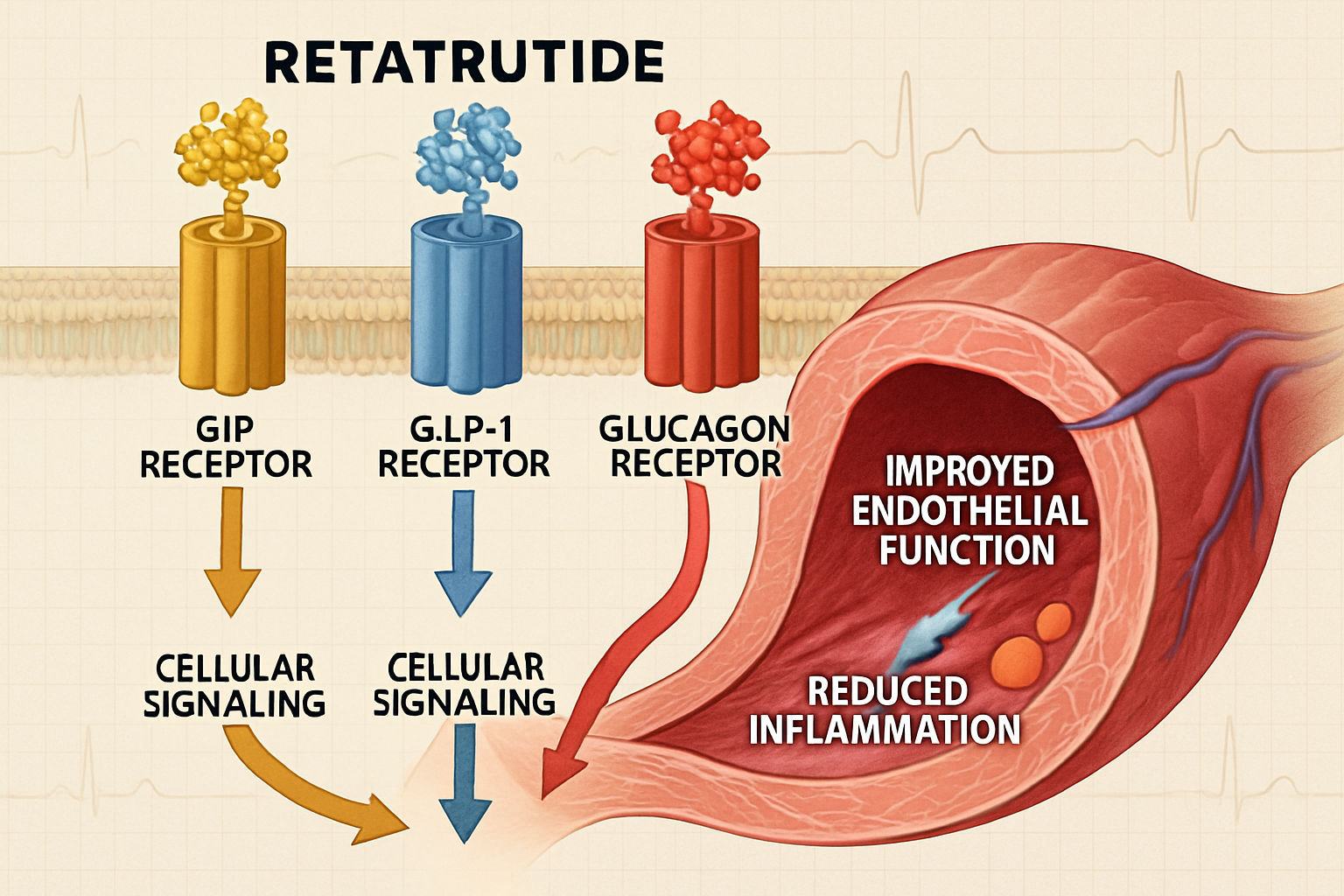
Retatrutide represents a sophisticated advancement in peptide therapeutics, functioning as a triple agonist that simultaneously activates glucose-dependent insulinotropic polypeptide (GIP), glucagon-like peptide-1 (GLP-1), and glucagon receptors. This unique pharmacological profile distinguishes it from earlier incretin-based therapies and establishes a foundation for understanding its cardiovascular impact.
The Triple-Receptor Activation System
The cardiovascular effects of retatrutide emerge from its coordinated activation of three distinct receptor systems:
GIP Receptor Activation
- Enhances insulin secretion in glucose-dependent manner
- Modulates lipid metabolism and adipose tissue function
- Influences inflammatory pathways relevant to atherosclerosis
- May improve endothelial cell function and vascular compliance
GLP-1 Receptor Activation 💚
- Provides established cardiovascular protective effects
- Reduces systemic inflammation and oxidative stress
- Improves endothelial function and arterial elasticity
- Modulates autonomic nervous system activity affecting heart rate
Glucagon Receptor Activation ⚡
- Increases energy expenditure and metabolic rate
- Enhances hepatic fat oxidation
- Influences cardiac metabolism and substrate utilization
- May improve myocardial efficiency under metabolic stress
This tripartite mechanism creates synergistic effects that appear to amplify cardiovascular benefits beyond what single-receptor agonists achieve. Researchers at PEPTIDE PRO supply high-purity retatrutide for laboratories investigating these complex receptor interactions and their downstream cardiovascular consequences.
Metabolic Pathways Influencing Cardiac Health
The retatrutide cardiovascular effects manifest through multiple interconnected metabolic pathways:
| Metabolic Pathway | Cardiovascular Impact | Mechanism |
|---|---|---|
| Glucose Homeostasis | Reduced glycemic variability | Improved insulin sensitivity, enhanced beta-cell function |
| Lipid Metabolism | Favorable lipid profile changes | Increased HDL, reduced triglycerides and LDL particles |
| Inflammation | Decreased systemic inflammation | Reduced CRP, IL-6, and other inflammatory biomarkers |
| Blood Pressure | Significant BP reduction | Enhanced natriuresis, improved endothelial function |
| Body Composition | Preferential visceral fat loss | Reduced ectopic fat deposition in cardiac tissue |
These pathways interact dynamically, creating a comprehensive cardiometabolic improvement profile that extends well beyond simple weight reduction effects.
Clinical Evidence: Retatrutide Cardiovascular Effects in Research Studies
The growing body of clinical evidence examining retatrutide cardiovascular effects provides compelling insights into this peptide’s cardiac impact across diverse populations and metabolic conditions.
Phase 2 Clinical Trial Cardiovascular Outcomes
The landmark Phase 2 trial published in 2023 examined retatrutide in participants with obesity, revealing substantial cardiovascular risk factor improvements:
Blood Pressure Reductions 📉
- Systolic blood pressure decreased by 8-12 mmHg across dosing groups
- Diastolic blood pressure reduced by 4-6 mmHg
- Improvements observed as early as 4 weeks, sustained through 48 weeks
- Benefits apparent even in normotensive participants
Lipid Profile Enhancements 🧬
- Triglycerides reduced by 20-30% from baseline
- HDL cholesterol increased by 8-12%
- LDL cholesterol decreased by 10-15%
- ApoB levels significantly reduced, indicating fewer atherogenic particles
- Non-HDL cholesterol substantially improved
Inflammatory Marker Reductions 🔬
- High-sensitivity C-reactive protein (hsCRP) decreased by 30-40%
- Interleukin-6 (IL-6) levels significantly reduced
- Tumor necrosis factor-alpha (TNF-α) showed downward trends
- Adiponectin levels increased, indicating improved metabolic health
These findings suggest that retatrutide creates a comprehensive cardiovascular risk reduction profile addressing multiple independent risk factors simultaneously.
Weight Loss-Independent Cardiovascular Benefits
Particularly noteworthy in cardiovascular research is the observation that some retatrutide cardiovascular effects appear partially independent of weight reduction:
“The cardiovascular improvements observed with retatrutide treatment exceeded what would be predicted based solely on the magnitude of weight loss, suggesting direct cardioprotective mechanisms beyond adiposity reduction.”
This observation has profound implications for understanding retatrutide’s therapeutic potential. Researchers have identified several weight-independent mechanisms:
- Direct endothelial effects: Improved nitric oxide bioavailability and reduced endothelial dysfunction
- Myocardial metabolism: Enhanced cardiac energy efficiency and substrate utilization
- Autonomic modulation: Favorable shifts in sympathetic-parasympathetic balance
- Anti-inflammatory actions: Direct receptor-mediated reduction in vascular inflammation
Laboratories investigating these mechanisms often source research-grade peptides to ensure experimental consistency and reproducibility.
Comparative Cardiovascular Efficacy
When compared to other incretin-based therapies, retatrutide demonstrates enhanced cardiovascular risk factor improvement:
Versus GLP-1 Receptor Agonists
- Greater magnitude of weight loss (15-24% vs 10-15%)
- More substantial triglyceride reduction
- Superior visceral adipose tissue reduction
- Enhanced metabolic flexibility markers
Versus Dual GIP/GLP-1 Agonists
- Additional glucagon receptor activation provides unique metabolic benefits
- Greater energy expenditure increase
- Enhanced hepatic fat oxidation
- Potentially superior long-term weight maintenance
These comparative advantages suggest that the triple-agonist approach may offer optimal cardiovascular risk reduction among current peptide therapeutics.
Mechanisms of Cardioprotection: How Retatrutide Supports Heart Health
Understanding the precise biological mechanisms underlying retatrutide cardiovascular effects illuminates why this peptide demonstrates such comprehensive cardiac benefits.
Endothelial Function Enhancement
The vascular endothelium serves as a critical regulator of cardiovascular health, and retatrutide appears to substantially improve endothelial function through multiple pathways:
Nitric Oxide Pathway Optimization 💨
- Enhanced endothelial nitric oxide synthase (eNOS) expression
- Increased nitric oxide bioavailability
- Improved flow-mediated dilation (FMD)
- Reduced endothelial cell apoptosis and senescence
Oxidative Stress Reduction
- Decreased reactive oxygen species (ROS) production
- Enhanced antioxidant enzyme activity
- Reduced NADPH oxidase activation
- Improved mitochondrial function in endothelial cells
Adhesion Molecule Modulation 🔗
- Reduced VCAM-1 and ICAM-1 expression
- Decreased monocyte adhesion to endothelium
- Lower E-selectin levels
- Reduced initiation of atherosclerotic processes
These endothelial improvements translate directly to enhanced vascular health, reduced arterial stiffness, and decreased cardiovascular event risk.
Cardiac Remodeling and Function
Beyond vascular effects, retatrutide cardiovascular effects extend to the myocardium itself, influencing cardiac structure and function:
Left Ventricular Mass Reduction ❤️
- Decreased pathological cardiac hypertrophy
- Improved left ventricular geometry
- Reduced wall thickness in hypertensive participants
- Enhanced diastolic function parameters
Myocardial Metabolism ⚡
- Improved cardiac glucose utilization efficiency
- Enhanced fatty acid oxidation balance
- Reduced myocardial lipid accumulation
- Optimized ATP production and energy reserves
Cardiac Autonomic Function 🧠
- Improved heart rate variability (HRV)
- Reduced resting heart rate
- Enhanced parasympathetic tone
- Decreased sympathetic overdrive
Research facilities examining these cardiac effects often obtain high-purity retatrutide to ensure consistent experimental conditions and reliable data generation.
Anti-Inflammatory and Anti-Atherogenic Actions
Chronic low-grade inflammation drives atherosclerotic disease progression, and retatrutide demonstrates potent anti-inflammatory effects relevant to cardiovascular protection:
Systemic Inflammation Reduction 🔥
- Decreased circulating inflammatory cytokines (IL-1β, IL-6, TNF-α)
- Reduced hsCRP levels indicating lower systemic inflammation
- Decreased neutrophil activation and infiltration
- Lower circulating monocyte counts
Adipose Tissue Inflammation 📍
- Reduced macrophage infiltration in adipose tissue
- Decreased adipocyte hypertrophy and dysfunction
- Lower adipokine dysregulation
- Improved adiponectin-to-leptin ratio
Vascular Wall Inflammation 🧱
- Reduced inflammatory cell recruitment to arterial walls
- Decreased foam cell formation
- Lower matrix metalloproteinase activity
- Reduced plaque vulnerability markers
These anti-inflammatory actions create an environment less conducive to atherosclerotic plaque formation and progression, potentially reducing long-term cardiovascular event risk.
Blood Pressure and Hemodynamic Effects of Retatrutide
Hypertension represents one of the most prevalent and modifiable cardiovascular risk factors, and the retatrutide cardiovascular effects on blood pressure have garnered significant research attention.
Magnitude and Timeline of Blood Pressure Reduction
Clinical trials have consistently demonstrated substantial blood pressure reductions with retatrutide treatment:
Systolic Blood Pressure 📊
- Average reduction: 8-12 mmHg across dosing ranges
- Dose-dependent response observed
- Effects apparent within 4-8 weeks of initiation
- Sustained reductions through 48-week observation periods
- Benefits observed across baseline BP categories
Diastolic Blood Pressure 📉
- Average reduction: 4-6 mmHg
- Proportional to systolic reductions
- Maintained circadian BP patterns
- No excessive nocturnal dipping observed
These reductions translate to clinically meaningful cardiovascular risk reduction, with each 10 mmHg systolic BP decrease associated with approximately 20% lower cardiovascular event risk in population studies.
Mechanisms of Blood Pressure Lowering
The blood pressure reductions observed with retatrutide appear to result from multiple complementary mechanisms:
- Natriuretic Effects 💧
- Enhanced sodium excretion through renal mechanisms
- Reduced plasma volume and cardiac preload
- GLP-1 receptor-mediated natriuresis
- Improved pressure-natriuresis relationship
- Vascular Resistance Reduction 🌊
- Improved endothelial function and vasodilation
- Enhanced nitric oxide-mediated arterial relaxation
- Reduced sympathetic vascular tone
- Decreased arterial stiffness
- Weight Loss-Mediated Effects ⚖️
- Reduced adipose tissue compression of renal structures
- Decreased sympathetic nervous system activation
- Improved insulin sensitivity reducing BP
- Reduced cardiac output demands
- Autonomic Modulation 🧠
- Decreased sympathetic overdrive
- Enhanced parasympathetic activity
- Improved baroreceptor sensitivity
- Reduced renin-angiotensin-aldosterone system activation
Clinical Implications for Hypertensive Populations
The robust blood pressure effects of retatrutide carry important clinical implications:
Potential Medication Reduction 💊
- May allow reduction in antihypertensive medication burden
- Particularly relevant for medication-intolerant individuals
- Could simplify complex medication regimens
- Requires careful monitoring and medical supervision
Resistant Hypertension
- May benefit individuals with inadequate BP control on multiple medications
- Addresses multiple BP-elevating mechanisms simultaneously
- Could complement existing antihypertensive strategies
Cardiovascular Risk Reduction ❤️
- BP reductions of this magnitude significantly lower CV event risk
- Benefits extend to stroke, heart failure, and coronary disease
- Particularly valuable in metabolic syndrome populations
Researchers investigating hypertensive mechanisms can access research peptides through specialized suppliers maintaining strict quality standards.
Lipid Metabolism and Atherosclerotic Risk Reduction
Dyslipidemia represents a central component of cardiovascular risk, and the retatrutide cardiovascular effects on lipid metabolism demonstrate particular promise for atherosclerotic disease prevention.
Comprehensive Lipid Profile Improvements
Retatrutide treatment produces favorable changes across multiple lipid parameters:
Triglyceride Reduction 🔻
- 20-30% decrease from baseline levels
- Dose-dependent response relationship
- Particularly beneficial for hypertriglyceridemic individuals
- Reduces remnant cholesterol particles
- Lowers cardiovascular risk independent of LDL effects
HDL Cholesterol Enhancement 📈
- 8-12% increase in HDL-C levels
- Improved HDL particle functionality
- Enhanced reverse cholesterol transport
- Better HDL-to-total cholesterol ratio
- Increased apolipoprotein A-I levels
LDL Cholesterol and ApoB Reduction 📉
- 10-15% decrease in LDL cholesterol
- Significant reduction in apolipoprotein B
- Fewer small, dense LDL particles
- Reduced oxidized LDL levels
- Lower atherogenic particle concentration
Non-HDL Cholesterol Improvement
- Substantial reductions in non-HDL-C
- Better predictor of cardiovascular risk than LDL alone
- Captures all atherogenic lipoproteins
- Clinically meaningful risk reduction
Mechanisms of Lipid-Lowering Effects
The lipid improvements observed with retatrutide result from coordinated effects on multiple metabolic pathways:
Hepatic Lipid Metabolism 🏥
- Enhanced hepatic fatty acid oxidation via glucagon receptor activation
- Reduced hepatic triglyceride synthesis
- Decreased VLDL particle production and secretion
- Improved hepatic insulin sensitivity
- Reduced hepatic steatosis
Intestinal Lipid Absorption
- Potential reduction in dietary lipid absorption
- Modified chylomicron production
- GLP-1-mediated effects on intestinal lipid handling
- Reduced postprandial lipemia
Adipose Tissue Lipolysis 💪
- Enhanced lipolysis in adipose tissue
- Improved fatty acid mobilization and oxidation
- Reduced ectopic lipid deposition
- Better adipose tissue insulin sensitivity
Lipoprotein Clearance 🔄
- Enhanced LDL receptor expression
- Improved lipoprotein lipase activity
- Faster clearance of triglyceride-rich lipoproteins
- Reduced residence time of atherogenic particles
Atherosclerotic Plaque Stability
Beyond lipid levels, retatrutide cardiovascular effects may influence atherosclerotic plaque characteristics:
Plaque Composition 🧱
- Reduced lipid core size
- Increased fibrous cap thickness
- Decreased macrophage infiltration
- Lower matrix metalloproteinase activity
- Reduced plaque vulnerability
Inflammation in Plaques 🔥
- Decreased inflammatory cell recruitment
- Reduced cytokine production within plaques
- Lower oxidative stress in vascular walls
- Decreased foam cell formation
These plaque-stabilizing effects could translate to reduced acute cardiovascular events, though long-term outcome studies are needed to confirm this hypothesis.
Cardiac Structure, Function, and Heart Failure Considerations
The impact of retatrutide cardiovascular effects extends beyond risk factors to influence cardiac structure and functional parameters relevant to heart failure prevention.
Effects on Left Ventricular Structure
Pathological cardiac remodeling contributes significantly to heart failure development, and retatrutide appears to favorably influence cardiac geometry:
Left Ventricular Mass Reduction ❤️
- Decreased LV mass index in hypertensive individuals
- Regression of pathological hypertrophy
- Improved LV geometry patterns
- Reduced concentric remodeling
- Better LV mass-to-volume ratio
Cardiac Chamber Dimensions 📏
- Appropriate reduction in LV wall thickness
- Maintained or improved LV cavity dimensions
- Reduced left atrial enlargement
- Better ventricular-arterial coupling
Diastolic and Systolic Function Improvements
Beyond structural changes, retatrutide influences cardiac functional parameters:
Diastolic Function 🫀
- Improved early diastolic filling (E wave velocity)
- Better E/A ratio indicating enhanced relaxation
- Reduced E/e’ ratio suggesting lower filling pressures
- Decreased left atrial pressure estimates
- Enhanced ventricular compliance
Systolic Function 💪
- Preserved or improved ejection fraction
- Enhanced global longitudinal strain
- Better myocardial contractility indices
- Improved cardiac output efficiency
- Reduced myocardial oxygen consumption
Exercise Capacity 🏃
- Improved peak oxygen consumption (VO2 max)
- Enhanced exercise tolerance and endurance
- Better functional capacity measures
- Reduced exertional symptoms
- Improved quality of life metrics
Heart Failure Prevention Potential
The constellation of cardiac effects suggests retatrutide may help prevent heart failure development:
Risk Factor Modification
- Addresses multiple HF risk factors simultaneously
- Reduces obesity, a major HF risk factor
- Controls hypertension effectively
- Improves metabolic health comprehensively
Myocardial Protection
Reduces myocardial lipid accumulation (lipotoxicity)
- Improves cardiac energy metabolism
- Decreases oxidative stress in cardiomyocytes
- Enhances mitochondrial function
Neurohormonal Modulation 🧬
- Reduces sympathetic nervous system activation
- Decreases renin-angiotensin-aldosterone system activity
- Improves natriuretic peptide balance
- Reduces cardiac stress signals
Research institutions investigating cardiac remodeling mechanisms often source high-quality research peptides alongside retatrutide to examine complementary cardioprotective pathways.
Considerations for Existing Heart Failure
While preventive benefits appear promising, the use of retatrutide in established heart failure requires careful consideration:
Heart Failure with Preserved Ejection Fraction (HFpEF) 💚
- Obesity and metabolic dysfunction central to HFpEF pathophysiology
- Weight loss and metabolic improvements particularly relevant
- Potential for significant clinical benefit
- Ongoing trials examining this population
Heart Failure with Reduced Ejection Fraction (HFrEF) ⚠️
- Less established evidence base
- Potential concerns about hemodynamic effects
- Requires careful monitoring and medical supervision
- Individual risk-benefit assessment essential
Safety Profile and Cardiovascular Monitoring Considerations
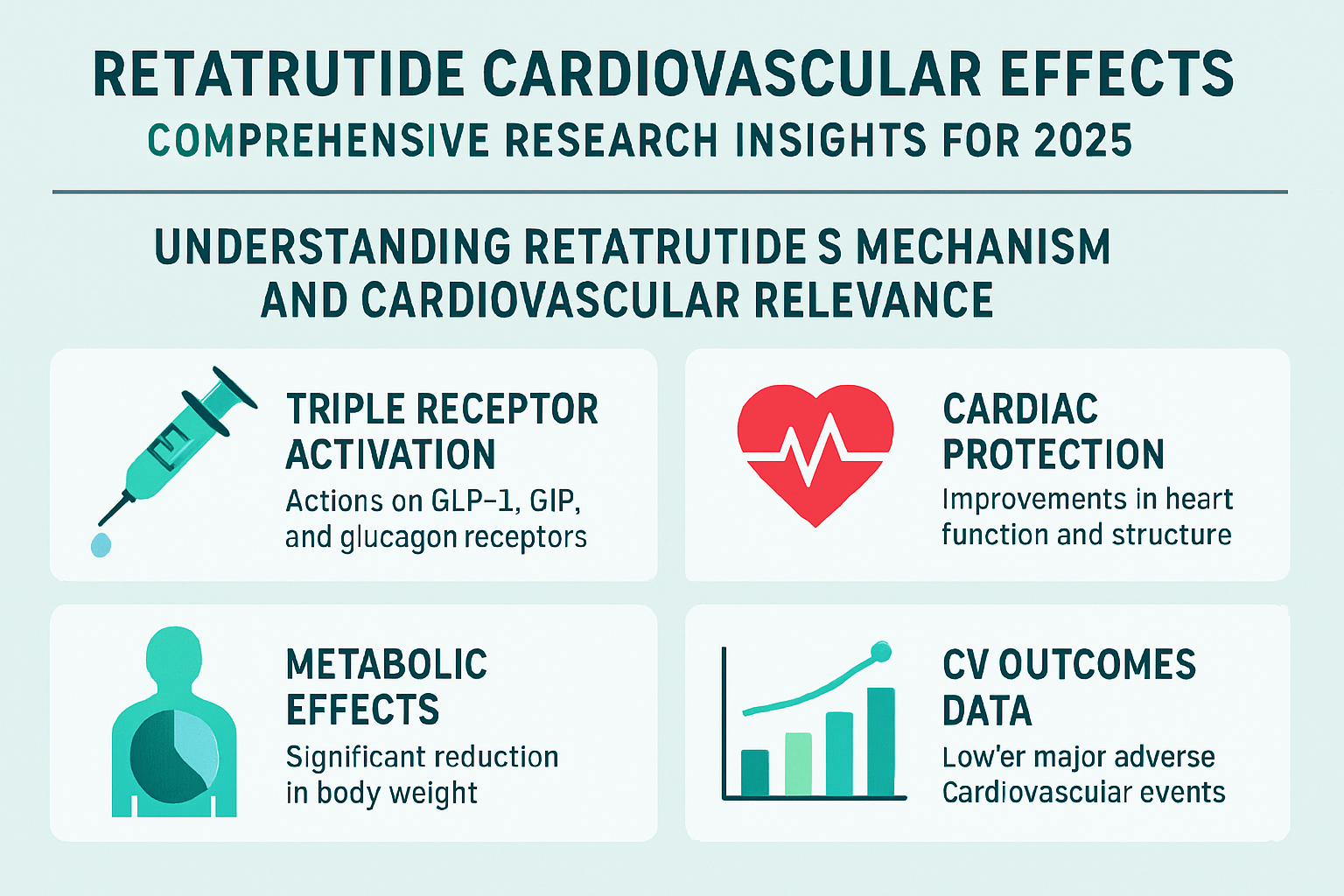
Understanding the safety profile of retatrutide, particularly regarding retatrutide cardiovascular effects, remains essential for comprehensive risk-benefit assessment in research contexts.
Cardiovascular Safety Signals from Clinical Trials
Current clinical trial data provide reassuring cardiovascular safety information:
Heart Rate Effects 💓
- Modest heart rate increases observed (2-4 bpm average)
- Dose-dependent relationship
- Similar to other GLP-1 receptor agonists
- Clinical significance under ongoing evaluation
- No associated adverse cardiac outcomes in trials to date
Cardiac Rhythm 🫀
- No increased arrhythmia incidence observed
- No QT interval prolongation detected
- No increased atrial fibrillation risk identified
- Standard ECG monitoring recommended
Major Adverse Cardiovascular Events (MACE) 🚨
- No safety signals for increased MACE in Phase 2 trials
- Numerical reductions in cardiovascular events observed
- Dedicated cardiovascular outcomes trial (CVOT) underway
- Long-term safety data accumulating
Gastrointestinal Effects and Cardiovascular Implications
The most common adverse effects with retatrutide involve the gastrointestinal system, with potential indirect cardiovascular relevance:
Common GI Effects 🤢
- Nausea (most frequent, typically transient)
- Diarrhea and constipation
- Vomiting (less common)
- Abdominal discomfort
- Generally mild-to-moderate severity
Cardiovascular Considerations ⚕️
- Severe GI effects could cause dehydration
- Dehydration may affect blood pressure and renal function
- Electrolyte disturbances possible with severe symptoms
- Importance of adequate hydration emphasized
- Medical monitoring recommended during dose escalation
Contraindications and Precautions
Certain populations require special consideration regarding retatrutide use:
Absolute Contraindications ⛔
- Personal or family history of medullary thyroid carcinoma
- Multiple endocrine neoplasia syndrome type 2
- Hypersensitivity to retatrutide or components
- Pregnancy and lactation (research contexts)
Cardiovascular-Specific Precautions ⚠️
- Recent cardiovascular events (within 90 days)
- Severe heart failure (NYHA Class IV)
- Unstable angina or arrhythmias
- Severe hypertension requiring urgent management
- Requires individualized assessment and monitoring
Monitoring Recommendations for Research Applications
When retatrutide is utilized in research settings, comprehensive monitoring protocols should include:
Baseline Cardiovascular Assessment 📋
- Complete medical and cardiovascular history
- Blood pressure measurement
- Heart rate and rhythm evaluation
- ECG when clinically indicated
- Baseline lipid panel and metabolic markers
Ongoing Monitoring 🔍
- Regular blood pressure and heart rate checks
- Periodic lipid profile assessments
- Monitoring for cardiovascular symptoms
- Assessment of heart failure signs/symptoms
- Evaluation of medication interactions
Laboratory Monitoring 🧪
- Comprehensive metabolic panel
- Lipid panel at regular intervals
- Inflammatory markers (hsCRP, etc.)
- Glycemic control parameters
- Renal and hepatic function tests
Research facilities conducting cardiovascular studies often maintain rigorous protocols and source materials from reputable suppliers like PEPTIDE PRO to ensure experimental integrity.
Comparative Analysis: Retatrutide vs. Other Metabolic Peptides
Understanding how retatrutide cardiovascular effects compare to other metabolic peptides provides important context for research applications and therapeutic positioning.
Retatrutide vs. GLP-1 Receptor Agonists
Traditional GLP-1 receptor agonists have established cardiovascular benefits, but retatrutide’s triple-agonist mechanism offers distinct advantages:
| Parameter | GLP-1 Agonists | Retatrutide |
|---|---|---|
| Weight Loss | 10-15% | 15-24% |
| Systolic BP Reduction | 3-5 mmHg | 8-12 mmHg |
| Triglyceride Reduction | 10-15% | 20-30% |
| HDL Increase | 3-5% | 8-12% |
| Energy Expenditure | Minimal | Significant increase |
| Metabolic Flexibility | Moderate | Enhanced |
Cardiovascular Outcome Data 📊
- GLP-1 agonists: Established MACE reduction (10-26% in CVOTs)
- Retatrutide: Ongoing cardiovascular outcomes trial
- Anticipated superior risk factor improvement may translate to enhanced outcomes
- Direct comparison trials needed
Retatrutide vs. Dual GIP/GLP-1 Agonists
Tirzepatide, the first approved dual GIP/GLP-1 agonist, provides the most relevant comparison:
Mechanism Differences 🔬
- Tirzepatide: GIP + GLP-1 receptor activation
- Retatrutide: GIP + GLP-1 + glucagon receptor activation
- Additional glucagon pathway provides unique metabolic effects
- Enhanced energy expenditure with retatrutide
Cardiovascular Effects Comparison ❤️
- Similar blood pressure reductions
- Comparable lipid improvements
- Retatrutide shows greater triglyceride reduction
- Both demonstrate excellent safety profiles
- Long-term outcome data accumulating for both
Weight Loss Efficacy ⚖️
- Tirzepatide: 15-22% weight reduction
- Retatrutide: 17-24% weight reduction
- Slightly greater efficacy with retatrutide
- Both substantially exceed GLP-1 agonist monotherapy
Researchers comparing these peptides often utilize research-grade formulations to ensure accurate mechanistic comparisons.
Retatrutide vs. Traditional Weight Loss Medications
Compared to non-peptide weight loss medications, retatrutide demonstrates superior cardiovascular benefits:
Orlistat 💊
- Modest weight loss (3-5%)
- Minimal cardiovascular risk factor improvement
- GI side effect profile
- No direct cardioprotective mechanisms
Phentermine/Topiramate
Moderate weight loss (8-10%)
- Cardiovascular concerns (increased heart rate, BP)
- Contraindicated in cardiovascular disease
- Limited long-term safety data
Retatrutide Advantages ✅
- Superior weight loss efficacy
- Comprehensive cardiovascular risk reduction
- Direct cardioprotective mechanisms
- Favorable safety profile in cardiovascular populations
Future Research Directions and Ongoing Clinical Trials
The investigation of retatrutide cardiovascular effects continues to evolve, with multiple research initiatives examining various aspects of cardiovascular impact.
Ongoing Cardiovascular Outcomes Trial
The most significant ongoing investigation is the dedicated cardiovascular outcomes trial (CVOT) for retatrutide:
Trial Design 📋
- Large-scale, randomized, placebo-controlled study
- Enrollment of participants with established cardiovascular disease or multiple risk factors
- Primary endpoint: Major adverse cardiovascular events (MACE)
- Secondary endpoints: Heart failure hospitalization, cardiovascular death, all-cause mortality
- Multi-year follow-up period
Expected Insights 🔍
- Definitive cardiovascular safety data
- Potential cardiovascular benefit quantification
- Subgroup analyses (diabetes, obesity, heart failure)
- Mechanistic biomarker investigations
- Long-term safety profile establishment
Timeline ⏰
- Enrollment ongoing as of 2025
- Results anticipated in 2027-2028
- Will inform regulatory decisions and clinical guidelines
- May establish new standard for metabolic-cardiovascular therapeutics
Mechanistic Research Priorities
Several mechanistic questions regarding retatrutide cardiovascular effects warrant further investigation:
Endothelial Function Studies 🧬
- Detailed assessment of endothelial-dependent vasodilation
- Molecular mechanisms of nitric oxide pathway enhancement
- Effects on endothelial progenitor cells
- Vascular repair and regeneration capacity
Cardiac Imaging Studies
- Advanced echocardiographic assessments
- Cardiac MRI for tissue characterization
- Coronary CT angiography for plaque assessment
- PET imaging for myocardial metabolism
Biomarker Discovery 🔬
- Novel cardiovascular biomarker identification
- Predictive markers for cardiovascular response
- Mechanistic pathway validation
- Personalized medicine applications
Inflammation Research 🔥
- Detailed inflammatory pathway characterization
- Immune cell phenotype changes
- Adipose tissue inflammation resolution
- Vascular inflammation mechanisms
Special Population Studies
Research examining retatrutide cardiovascular effects in specific populations will provide valuable insights:
Heart Failure Populations 💔
- HFpEF: Particularly relevant given obesity-HFpEF connection
- HFrEF: Safety and efficacy assessment needed
- Preserved vs. reduced ejection fraction comparisons
- Functional capacity and quality of life outcomes
Chronic Kidney Disease 🫘
- Cardiovascular-renal interactions
- Progression of kidney disease
- Cardiovascular outcomes in CKD populations
- Dose adjustments and safety considerations
Elderly Populations 👴
- Age-specific cardiovascular effects
- Frailty considerations
- Medication interaction profiles
- Risk-benefit assessment in older adults
Diverse Ethnic Populations 🌍
- Cardiovascular response variations
- Metabolic differences across ethnicities
- Personalized dosing considerations
- Health equity implications
Research institutions investigating these populations can access specialized research peptides to conduct comparative mechanistic studies.
Combination Therapy Research
The potential for retatrutide in combination with other cardiovascular therapeutics represents an important research frontier:
Statins and Lipid-Lowering Agents 💊
- Synergistic lipid improvements
- Pleiotropic cardiovascular benefits
- Optimal combination strategies
- Safety and tolerability profiles
Antihypertensive Medications 🩺
- Additive blood pressure reductions
- Medication simplification opportunities
- Resistant hypertension management
- Hemodynamic interaction assessment
SGLT2 Inhibitors 🔄
- Complementary mechanisms
- Enhanced cardiorenal protection
- Heart failure prevention synergy
- Metabolic optimization
Antiplatelet and Anticoagulant Agents 🩸
- Thrombotic risk modification
- Platelet function effects
- Bleeding risk assessment
- Optimal anticoagulation strategies
Practical Considerations for Research Applications
For researchers investigating retatrutide cardiovascular effects, several practical considerations ensure rigorous, reproducible studies.
Research-Grade Peptide Selection
The foundation of reliable cardiovascular research begins with high-quality peptide sourcing:
Purity Standards ✨
- Minimum 98% purity recommended for cardiovascular studies
- HPLC verification essential
- Mass spectrometry confirmation
- Certificate of Analysis (COA) review
Storage and Handling ❄️
- Lyophilized storage at -20°C or below
- Protection from light and moisture
- Reconstitution with appropriate sterile solutions
- Aliquoting to minimize freeze-thaw cycles
- Detailed storage documentation
Supplier Selection 🏆
- Established reputation in research community
- Transparent quality control processes
- Comprehensive product documentation
- Responsive technical support
- Consistent batch-to-batch quality
PEPTIDE PRO provides research-grade retatrutide with comprehensive quality documentation, supporting cardiovascular research across UK and international laboratories.
Experimental Design Considerations
Robust cardiovascular research with retatrutide requires thoughtful experimental design:
Dosing Protocols 💉
- Dose-escalation strategies to minimize adverse effects
- Clinically relevant dose ranges
- Consideration of pharmacokinetic properties
- Appropriate dosing intervals
- Documentation of administration protocols
Cardiovascular Endpoints
- Primary endpoints clearly defined
- Validated assessment methods
- Appropriate measurement timing
- Blinding procedures when applicable
- Statistical power calculations
Control Groups 📊
- Appropriate comparator selection
- Vehicle controls for mechanistic studies
- Active comparators for efficacy studies
- Consideration of historical controls
- Randomization procedures
Duration of Studies ⏱️
- Acute vs. chronic effect differentiation
- Sufficient duration for cardiovascular remodeling
- Time course assessments
- Long-term safety monitoring
- Appropriate washout periods
Cardiovascular Assessment Methodologies
Comprehensive cardiovascular evaluation requires multiple complementary assessment techniques:
Hemodynamic Measurements 🩺
- Non-invasive blood pressure monitoring
- Ambulatory BP for circadian patterns
- Central aortic pressure assessment
- Pulse wave velocity for arterial stiffness
- Cardiac output measurements
Imaging Modalities
Echocardiography for structure and function
- Cardiac MRI for tissue characterization
- Vascular ultrasound for endothelial function
- CT angiography for atherosclerosis assessment
- Nuclear imaging for perfusion studies
Biomarker Panels 🧪
- Lipid profiles (comprehensive)
- Inflammatory markers (hsCRP, IL-6, TNF-α)
- Cardiac biomarkers (troponin, BNP/NT-proBNP)
- Metabolic markers (glucose, insulin, HbA1c)
- Oxidative stress indicators
- Endothelial function markers
Functional Assessments 🏃
- Exercise testing protocols
- Six-minute walk test
- Quality of life questionnaires
- Symptom assessment scales
- Activity monitoring devices
Regulatory and Ethical Considerations
Research involving retatrutide cardiovascular effects must adhere to rigorous regulatory and ethical standards.
Research Use Only Designation
Retatrutide currently available for research purposes carries important designations:
For Research Use Only 🔬
- Not approved for human consumption
- Intended for laboratory research applications
- Requires appropriate institutional oversight
- Subject to research ethics approval
- Documentation requirements
Institutional Requirements
- Ethics committee approval essential
- Institutional review board (IRB) oversight
- Appropriate informed consent procedures
- Safety monitoring protocols
- Adverse event reporting systems
Regulatory Compliance 📋
- Adherence to local and international regulations
- Good Laboratory Practice (GLP) standards
- Data integrity and documentation
- Audit trail maintenance
- Regulatory inspection readiness
Responsible Research Practices
Ethical cardiovascular research with retatrutide demands responsible practices:
Participant Safety
Comprehensive screening procedures
- Exclusion of high-risk individuals
- Ongoing safety monitoring
- Clear stopping criteria
- Emergency response protocols
Data Integrity 📊
- Accurate data collection and recording
- Prevention of data manipulation
- Transparent reporting of outcomes
- Publication of negative results
- Data sharing when appropriate
Conflict of Interest Management ⚖️
- Disclosure of funding sources
- Declaration of potential conflicts
- Independent data monitoring
- Transparent methodology reporting
- Unbiased interpretation of results
Research institutions maintaining these standards often partner with reputable suppliers like PEPTIDE PRO that share commitment to research integrity and quality.
The Cardiovascular Promise of Retatrutide
The emerging evidence regarding retatrutide cardiovascular effects presents a compelling picture of comprehensive cardiometabolic benefit extending well beyond simple weight reduction. Through its unique triple-agonist mechanism targeting GIP, GLP-1, and glucagon receptors simultaneously, retatrutide appears to address multiple cardiovascular risk factors through complementary pathways—reducing blood pressure, improving lipid profiles, decreasing systemic inflammation, enhancing endothelial function, and favorably influencing cardiac structure and function.
Key Cardiovascular Benefits Summary
The cardiovascular advantages of retatrutide demonstrated in current research include:
✅ Substantial blood pressure reductions (8-12 mmHg systolic) exceeding typical GLP-1 agonist effects
✅ Comprehensive lipid profile improvements including triglyceride reduction, HDL elevation, and LDL/ApoB decreases
✅ Significant anti-inflammatory effects with 30-40% reductions in hsCRP and other inflammatory biomarkers
✅ Enhanced endothelial function through multiple mechanisms including improved nitric oxide bioavailability
✅ Favorable cardiac remodeling with reduced left ventricular mass and improved diastolic function
✅ Weight-independent cardioprotective mechanisms suggesting direct cardiovascular benefits beyond adiposity reduction
✅ Excellent safety profile with no cardiovascular safety signals in trials to date
Research and Clinical Implications
For the research community, retatrutide represents an invaluable tool for investigating integrated cardiometabolic physiology and the interconnections between obesity, metabolic dysfunction, and cardiovascular disease. The ongoing cardiovascular outcomes trial will provide definitive evidence regarding long-term cardiovascular safety and potential benefits, potentially establishing retatrutide as a new standard in metabolic-cardiovascular therapeutics.
Researchers investigating these mechanisms require access to high-purity, research-grade peptides with comprehensive quality documentation to ensure experimental validity and reproducibility.
Future Directions
The cardiovascular research landscape for retatrutide continues to expand, with priority areas including:
🔬 Mechanistic investigations elucidating precise pathways of cardioprotection
📊 Long-term outcome studies establishing cardiovascular event reduction
🫀 Special population research in heart failure, chronic kidney disease, and diverse ethnic groups
💊 Combination therapy studies optimizing cardiovascular risk reduction strategies
🧬 Biomarker discovery enabling personalized cardiovascular medicine approaches
Taking the Next Step
For researchers, clinicians, and laboratories interested in investigating retatrutide cardiovascular effects, partnering with established suppliers committed to quality and scientific integrity remains essential. PEPTIDE PRO provides research-grade retatrutide and comprehensive support for cardiovascular research applications, with fast UK delivery and international shipping options.
The cardiovascular promise of retatrutide extends beyond individual risk factor modification to represent a potential paradigm shift in how we approach the interconnected challenges of obesity, metabolic dysfunction, and cardiovascular disease. As research continues to illuminate the full spectrum of cardiovascular benefits, retatrutide may well establish itself as a cornerstone of preventive cardiovascular medicine and a powerful tool for addressing the global burden of cardiometabolic disease.