

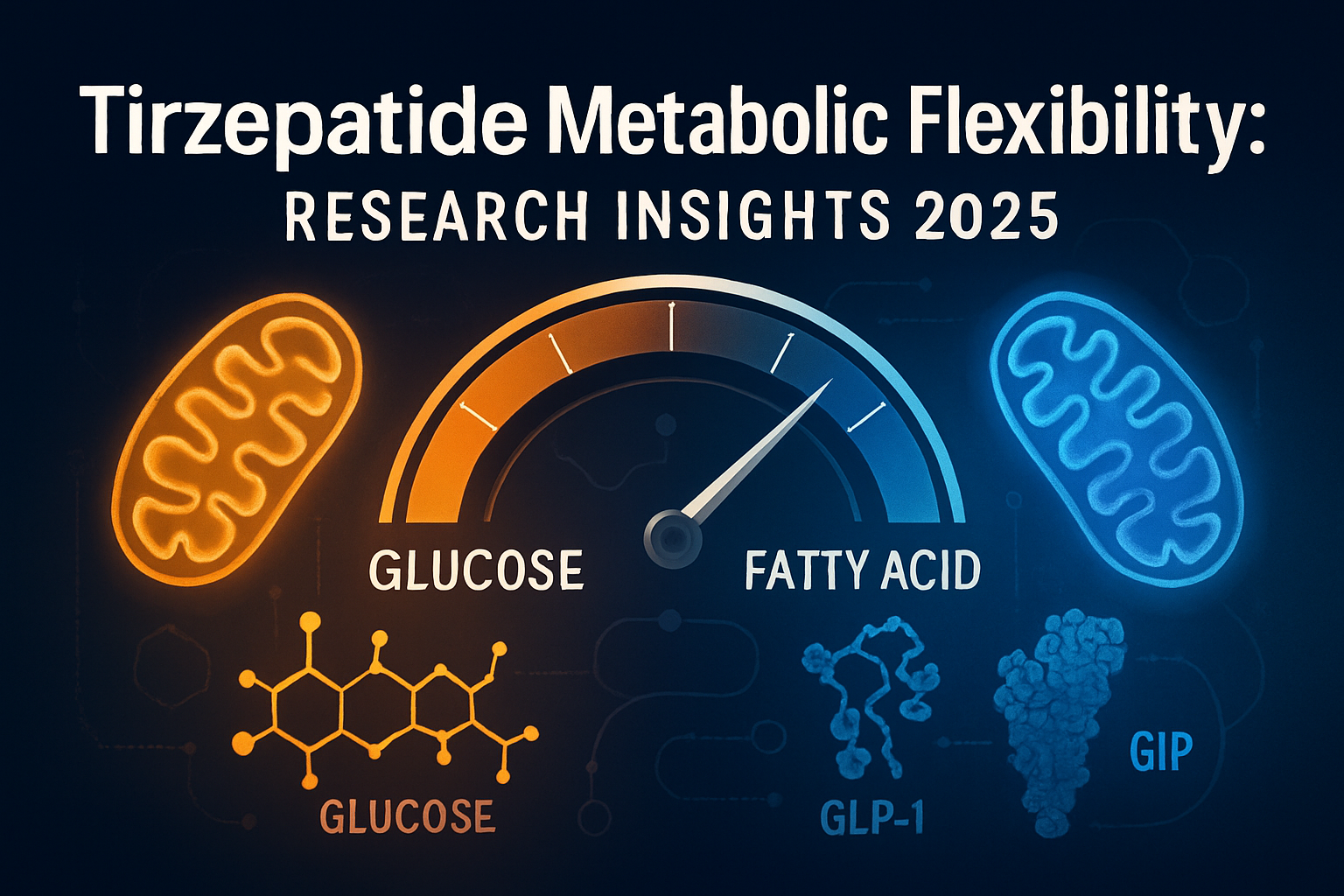
The ability of cells to efficiently switch between different fuel sources—a process known as metabolic flexibility—represents one of the most critical aspects of cellular health and energy homeostasis. Recent research into tirzepatide metabolic flexibility has revealed compelling insights into how this dual GLP-1/GIP receptor agonist may influence substrate utilization, mitochondrial function, and whole-body energy metabolism. As laboratories worldwide investigate the mechanistic pathways underlying these effects, understanding the relationship between tirzepatide and metabolic flexibility has become increasingly important for researchers exploring metabolic health interventions.
This comprehensive analysis examines the current research landscape surrounding tirzepatide metabolic flexibility, exploring the molecular mechanisms, cellular signaling pathways, and metabolic outcomes observed in controlled laboratory studies. For researchers seeking high-purity peptides for research applications, understanding these mechanisms provides essential context for experimental design and protocol development.
Key Takeaways
- Tirzepatide metabolic flexibility research demonstrates how dual GLP-1/GIP receptor agonism may influence cellular fuel switching between glucose and fatty acid oxidation
- Laboratory studies indicate tirzepatide affects multiple metabolic pathways including insulin sensitivity, mitochondrial function, and substrate utilization patterns
- Research-grade tirzepatide enables controlled investigation of metabolic flexibility mechanisms in various experimental models
- Understanding the molecular basis of metabolic flexibility enhancement requires comprehensive analysis of cellular signaling cascades and energy homeostasis
- Current 2025 research continues to expand knowledge of how dual incretin receptor agonism impacts whole-body metabolic adaptation
Understanding Metabolic Flexibility : The Foundation of Cellular Energy Homeostasis
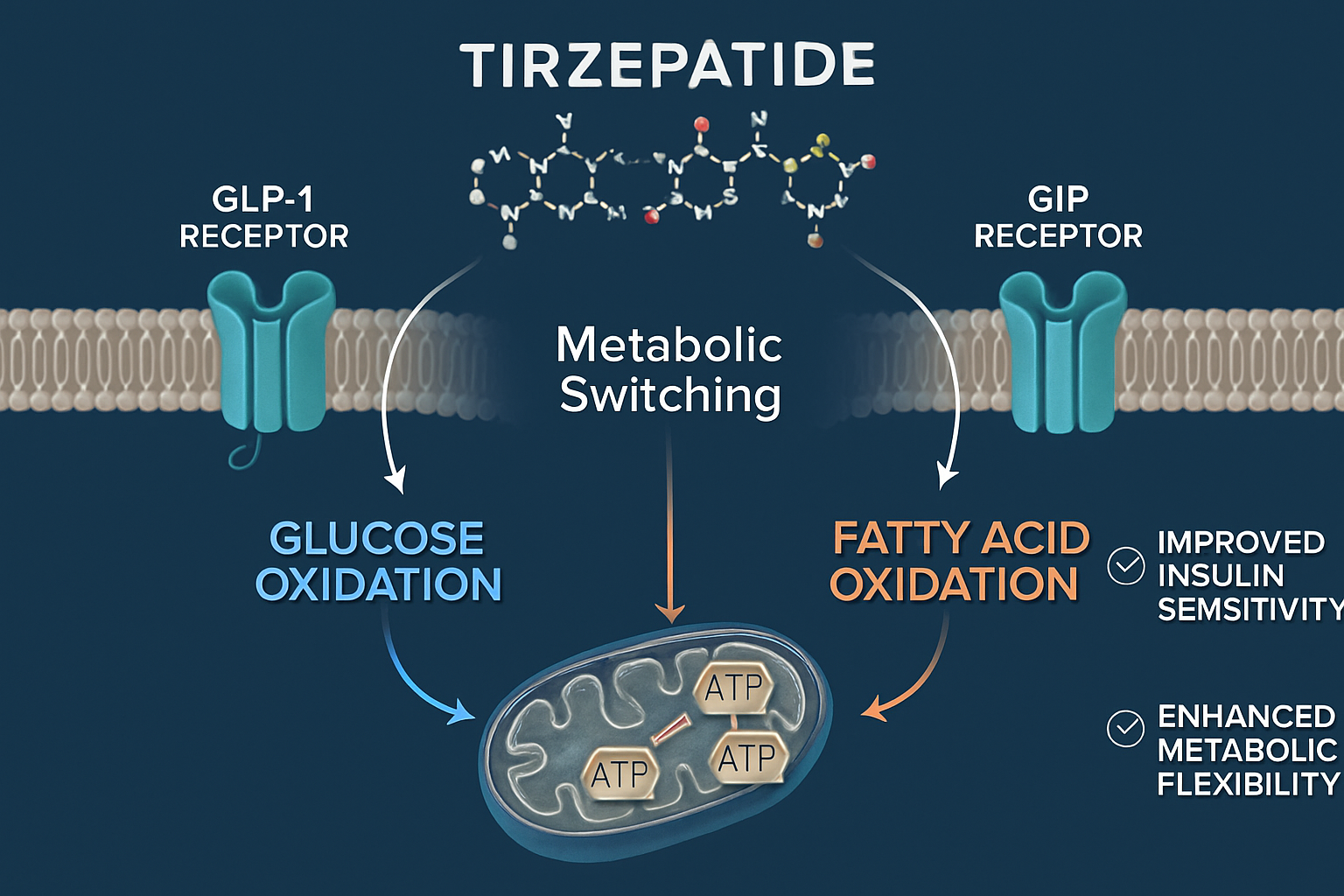
Metabolic flexibility refers to the capacity of cells, tissues, and organisms to adapt fuel oxidation according to nutrient availability and energy demands. This fundamental biological process allows efficient switching between carbohydrate and lipid oxidation, maintaining energy balance across varying physiological states.
The Biochemical Basis of Fuel Switching
At the cellular level, metabolic flexibility involves coordinated regulation of multiple enzymatic pathways:
- Glucose oxidation pathways: Glycolysis, pyruvate dehydrogenase complex, and the citric acid cycle
- Fatty acid oxidation: Beta-oxidation, carnitine palmitoyltransferase system, and mitochondrial transport mechanisms
- Substrate competition: The Randle cycle and reciprocal regulation between glucose and lipid metabolism
- Mitochondrial adaptation: Dynamic changes in oxidative capacity and respiratory chain function
Metabolic Inflexibility in Research Models
Research has extensively documented metabolic inflexibility in various experimental contexts, characterized by:
| Metabolic Parameter | Flexible State | Inflexible State |
|---|---|---|
| Fasting RQ | 0.70-0.75 | >0.85 |
| Postprandial RQ shift | +0.10-0.15 | <0.05 |
| Insulin-stimulated glucose disposal | High efficiency | Impaired response |
| Fatty acid oxidation capacity | Robust adaptation | Reduced flexibility |
| Mitochondrial function | Optimal coupling | Dysfunction present |
Understanding these baseline parameters provides essential context for investigating how tirzepatide metabolic flexibility research contributes to the broader understanding of metabolic adaptation mechanisms.
Tirzepatide Metabolic Flexibility: Molecular Mechanisms and Receptor Pharmacology
The investigation of tirzepatide metabolic flexibility begins with understanding its unique pharmacological profile as a dual glucose-dependent insulinotropic polypeptide (GIP) and glucagon-like peptide-1 (GLP-1) receptor agonist. This dual mechanism distinguishes tirzepatide from single-receptor agonists and provides a foundation for its metabolic effects.
Dual Incretin Receptor Activation
🔬 GLP-1 Receptor Pathway
The GLP-1 receptor component of tirzepatide activates several metabolic signaling cascades:
- cAMP/PKA pathway activation: Enhances glucose-dependent insulin secretion and improves beta-cell function
- AMPK signaling: Promotes cellular energy sensing and metabolic adaptation
- Mitochondrial biogenesis: Upregulates PGC-1α expression and oxidative capacity
- Lipid metabolism modulation: Influences hepatic and peripheral fat oxidation
🔬 GIP Receptor Pathway
The GIP receptor activation adds complementary metabolic effects:
- Enhanced insulin sensitivity: Improves peripheral glucose disposal and tissue responsiveness
- Adipocyte function: Modulates adipose tissue metabolism and energy storage
- Lipid partitioning: Influences substrate distribution between oxidation and storage
- Energy expenditure: May affect thermogenic pathways and metabolic rate
Synergistic Effects on Metabolic Flexibility
Research investigating tirzepatide metabolic flexibility has identified several synergistic mechanisms resulting from dual receptor activation:
Substrate Utilization Enhancement
- Improved glucose uptake and oxidation during fed states
- Enhanced fatty acid oxidation during fasting or energy deficit
- Reduced metabolic rigidity and improved fuel switching capacity
- Optimized mitochondrial substrate preference based on availability
Cellular Signaling Integration
- Coordinated activation of AMPK and mTOR pathways
- Enhanced insulin signaling through PI3K/Akt pathway
- Improved mitochondrial calcium handling and oxidative phosphorylation
- Reduced endoplasmic reticulum stress and inflammatory signaling
For researchers exploring these mechanisms, PEPTIDE PRO’s research-grade tirzepatide provides the purity standards necessary for controlled mechanistic studies.
Mitochondrial Function and Bioenergetics
A critical aspect of tirzepatide metabolic flexibility research involves mitochondrial adaptation:
“Mitochondrial flexibility—the capacity to adjust oxidative metabolism in response to substrate availability—represents a fundamental determinant of whole-body metabolic health and adaptation capacity.”
Laboratory investigations have examined tirzepatide’s effects on:
- Respiratory chain function: Complex I-IV activity and electron transport efficiency
- ATP production capacity: Oxidative phosphorylation rates and energy yield
- Mitochondrial dynamics: Fusion, fission, and quality control mechanisms
- Reactive oxygen species management: Antioxidant capacity and oxidative stress responses
Research Applications: Investigating Tirzepatide Metabolic Flexibility in Laboratory Models
The practical investigation of tirzepatide metabolic flexibility requires carefully designed experimental protocols that assess multiple metabolic parameters across different physiological conditions.
Experimental Methodologies for Metabolic Flexibility Assessment
Indirect Calorimetry and Respiratory Quotient Analysis
Researchers utilize indirect calorimetry to quantify substrate oxidation:
- Respiratory Quotient (RQ) measurement: VCO₂/VO₂ ratio indicating fuel utilization
- Fasting-to-fed transitions: Assessment of metabolic switching capacity
- Substrate oxidation rates: Calculation of carbohydrate versus fat oxidation
- Metabolic flexibility index: Quantification of RQ change magnitude and kinetics
Cellular Metabolic Assays
Laboratory protocols for assessing cellular metabolic flexibility include:
- Seahorse metabolic flux analysis: Real-time measurement of oxygen consumption and extracellular acidification
- Glucose and palmitate oxidation assays: Radiolabeled substrate tracking
- Mitochondrial stress tests: Assessment of basal respiration, ATP production, and spare respiratory capacity
- Substrate switching protocols: Evaluation of adaptation kinetics to fuel source changes
Tirzepatide Dosing Considerations in Research
When investigating tirzepatide metabolic flexibility, researchers must consider appropriate dosing parameters:
| Research Application | Typical Concentration Range | Duration | Assessment Window |
|---|---|---|---|
| Acute cellular studies | 1-100 nM | 2-24 hours | Immediate signaling |
| Chronic cell culture | 10-50 nM | 3-7 days | Adaptive responses |
| Ex vivo tissue studies | 10-100 nM | 1-6 hours | Functional capacity |
| Metabolic flux analysis | 10-100 nM | 30 min-4 hours | Dynamic responses |
Metabolic Biomarker Assessment
Comprehensive investigation of tirzepatide metabolic flexibility involves multiple biomarker analyses:
Glucose Metabolism Markers
- Glucose uptake rates (2-deoxyglucose assay)
- Glycogen synthesis and breakdown
- Insulin signaling pathway activation (phospho-Akt, phospho-GSK3β)
- GLUT4 translocation and expression
Lipid Metabolism Markers
- Fatty acid oxidation rates (β-hydroxybutyrate production)
- Triglyceride accumulation and lipolysis
- Expression of oxidative enzymes (CPT1, ACOX1, PPARα targets)
- Lipid droplet dynamics and morphology
Mitochondrial Function Markers
- Mitochondrial DNA copy number
- PGC-1α and mitochondrial biogenesis factors
- Respiratory chain complex expression and activity
- Mitochondrial membrane potential
Researchers requiring comprehensive peptide solutions for metabolic research can access a range of complementary compounds to support multi-faceted experimental designs.
Molecular Signaling Pathways: How Tirzepatide Influences Metabolic Adaptation
Understanding the molecular mechanisms underlying tirzepatide metabolic flexibility requires detailed examination of intracellular signaling cascades and their integration with metabolic pathways.
AMPK Activation and Energy Sensing
AMP-activated protein kinase (AMPK) serves as a central metabolic regulator that tirzepatide appears to influence through multiple mechanisms:
Direct and Indirect AMPK Activation
- Increased AMP:ATP ratio through enhanced energy expenditure
- Calcium-dependent CaMKK pathway activation
- LKB1-mediated phosphorylation enhancement
- Integration with incretin receptor signaling
Downstream AMPK Effects on Metabolic Flexibility
- ✅ Phosphorylation and inhibition of ACC (acetyl-CoA carboxylase)
- ✅ Enhanced fatty acid oxidation through reduced malonyl-CoA
- ✅ Increased glucose uptake via GLUT4 translocation
- ✅ Mitochondrial biogenesis through PGC-1α activation
- ✅ Autophagy and mitochondrial quality control
Insulin Signaling Enhancement
Research on tirzepatide metabolic flexibility has identified improvements in insulin signaling pathways:
PI3K/Akt Pathway Modulation
- Enhanced insulin receptor substrate (IRS) phosphorylation
- Increased PI3K activation and PIP3 generation
- Akt phosphorylation and downstream substrate activation
- Improved glucose transporter trafficking and metabolic enzyme regulation
Metabolic Consequences
- Increased glycogen synthesis in muscle and liver
- Enhanced protein synthesis and reduced proteolysis
- Improved lipid partitioning and reduced ectopic fat accumulation
- Better coordination of anabolic and catabolic processes
PPARα and Transcriptional Regulation
Peroxisome proliferator-activated receptor alpha (PPARα) represents a key transcriptional regulator of fatty acid oxidation:
Tirzepatide Effects on PPARα Signaling
- Increased PPARα expression and nuclear translocation
- Enhanced transcription of fatty acid oxidation genes
- Upregulation of mitochondrial and peroxisomal oxidative enzymes
- Improved ketogenesis and alternative fuel production
Target Genes and Metabolic Outcomes
- CPT1 (carnitine palmitoyltransferase 1): Mitochondrial fatty acid import
- ACOX1 (acyl-CoA oxidase 1): Peroxisomal fatty acid oxidation
- FGF21 (fibroblast growth factor 21): Metabolic adaptation signaling
- PDK4 (pyruvate dehydrogenase kinase 4): Glucose-fatty acid cycle regulation
mTOR Pathway Integration
The mechanistic target of rapamycin (mTOR) pathway integrates nutrient sensing with metabolic regulation:
Balanced mTOR Regulation
- Context-dependent mTOR activation during fed states
- AMPK-mediated mTOR suppression during energy deficit
- Coordinated regulation of anabolic and catabolic processes
- Optimized protein synthesis and autophagy balance
For researchers investigating these complex signaling networks, high-purity research peptides enable precise mechanistic studies with reproducible results.
Tissue-Specific Effects: Tirzepatide Metabolic Flexibility Across Organ Systems
The investigation of tirzepatide metabolic flexibility reveals tissue-specific metabolic adaptations that contribute to whole-body energy homeostasis.
Skeletal Muscle Metabolic Flexibility
Skeletal muscle represents the primary site of glucose disposal and a major contributor to whole-body metabolic flexibility:
Glucose Metabolism Enhancement
- Increased insulin-stimulated glucose uptake
- Enhanced glycogen synthesis and storage capacity
- Improved glucose oxidation during fed states
- Better coordination of glycolytic and oxidative pathways
Lipid Metabolism Modulation
- Enhanced fatty acid oxidation during fasting
- Reduced intramyocellular lipid accumulation
- Improved mitochondrial oxidative capacity
- Better substrate switching between glucose and fatty acids
Mitochondrial Adaptations
- Increased mitochondrial density and cristae structure
- Enhanced respiratory chain function and ATP production
- Improved mitochondrial calcium handling
- Better integration of substrate oxidation pathways
Hepatic Metabolic Flexibility
The liver plays a central role in whole-body fuel homeostasis and metabolic adaptation:
Glucose Homeostasis
- Reduced hepatic glucose production during fed states
- Enhanced glycogen synthesis and storage
- Improved insulin suppression of gluconeogenesis
- Better coordination of glucose uptake and release
Lipid Metabolism Regulation
- Enhanced fatty acid oxidation and ketogenesis
- Reduced de novo lipogenesis and VLDL secretion
- Decreased hepatic triglyceride accumulation
- Improved lipid partitioning and export
Metabolic Flexibility Markers
- Dynamic regulation of PEPCK and G6Pase expression
- Adaptive changes in lipogenic enzyme expression
- Improved mitochondrial and peroxisomal oxidative capacity
- Better integration of fed and fasted metabolic programs
Adipose Tissue Metabolic Function
Adipose tissue serves as both an energy storage depot and an endocrine organ influencing metabolic flexibility:
GIP Receptor-Mediated Effects
- Modulation of adipocyte glucose uptake and lipogenesis
- Regulation of lipolysis and fatty acid release
- Influence on adipokine secretion patterns
- Effects on adipose tissue inflammation and function
Metabolic Consequences
- Improved adipose tissue insulin sensitivity
- Better coordination of lipid storage and mobilization
- Reduced ectopic lipid deposition in other tissues
- Enhanced metabolic signaling to other organs
Researchers exploring tissue-specific metabolic effects can access specialized research peptides to compare mechanisms across different incretin-based compounds.
Experimental Design Considerations for Tirzepatide Metabolic Flexibility Research
Conducting rigorous research on tirzepatide metabolic flexibility requires careful attention to experimental design, controls, and methodological considerations.
Cell Culture Models
Primary Cell Systems
- Primary hepatocytes for hepatic metabolism studies
- Primary myocytes for skeletal muscle investigations
- Primary adipocytes for adipose tissue research
- Pancreatic islet cells for direct incretin effects
Cell Line Models
- C2C12 myoblasts/myotubes for muscle metabolism
- HepG2 or Hepa1-6 for hepatic studies
- 3T3-L1 adipocytes for fat cell metabolism
- INS-1 or MIN6 cells for beta-cell function
Metabolic Flux Analysis Protocols
Seahorse XF Analyzer Protocols
Standard protocols for assessing tirzepatide metabolic flexibility using metabolic flux analysis:
- Mitochondrial Stress Test
- Basal respiration measurement
- ATP production quantification
- Maximal respiration capacity
- Spare respiratory capacity calculation
- Substrate Oxidation Assessment
- Glucose oxidation dependency
- Fatty acid oxidation capacity
- Substrate switching flexibility
- Fuel preference determination
- Glycolysis Stress Test
- Glycolytic capacity measurement
- Glycolytic reserve quantification
- Integration with oxidative metabolism
Quality Control and Reproducibility
Critical Quality Parameters
- ✅ Peptide purity verification (>95% by HPLC)
- ✅ Proper reconstitution and storage protocols
- ✅ Consistent dosing and treatment timing
- ✅ Appropriate vehicle controls
- ✅ Biological and technical replication
- ✅ Blinded analysis where applicable
Storage and Handling
- Lyophilized peptide storage at -20°C or -80°C
- Reconstituted solutions stored at 2-8°C
- Aliquoting to minimize freeze-thaw cycles
- Protection from light and oxidation
- Documentation of storage conditions and duration
For researchers requiring reliable, high-purity tirzepatide for metabolic flexibility studies, proper handling and storage protocols are essential for reproducible results.
Statistical Considerations
Appropriate Statistical Approaches
- Power analysis for sample size determination
- Appropriate parametric or non-parametric tests
- Multiple comparison corrections when necessary
- Time-course analysis for dynamic measurements
- Integration of multiple metabolic parameters
Data Presentation
- Clear presentation of individual data points
- Appropriate measures of central tendency and variability
- Transparent reporting of outliers and exclusions
- Comprehensive methods documentation
Comparative Analysis: Tirzepatide vs. Other Metabolic Modulators
Understanding tirzepatide metabolic flexibility benefits from comparative analysis with other metabolic research compounds and interventions.
GLP-1 Receptor Agonists
Single-Receptor Agonism
Comparing tirzepatide to selective GLP-1 receptor agonists reveals the contribution of dual agonism:
| Metabolic Parameter | GLP-1 Agonist | Tirzepatide (Dual Agonist) |
|---|---|---|
| Insulin secretion | Enhanced | Enhanced (potentially greater) |
| Glucose uptake | Improved | Improved (GIP contribution) |
| Fatty acid oxidation | Increased | Increased (synergistic) |
| Adipose tissue effects | Modest | More pronounced (GIP receptor) |
| Metabolic flexibility | Improved | Enhanced (dual pathway) |
Researchers can compare effects using research-grade semaglutide as a GLP-1 selective control compound.
AMPK Activators
Direct Metabolic Modulators
Comparing tirzepatide to direct AMPK activators (e.g., AICAR, metformin) highlights different mechanistic approaches:
Tirzepatide Advantages
- Receptor-mediated signaling with multiple downstream effects
- Integration of incretin and metabolic pathways
- Tissue-specific receptor expression patterns
- Coordinated regulation of multiple metabolic processes
AMPK Activator Characteristics
- Direct energy sensor activation
- Broader, less selective metabolic effects
- Different pharmacokinetic profiles
- Complementary research applications
PPARα Agonists
Transcriptional Metabolic Regulation
PPARα agonists (fibrates) provide another comparative framework:
Mechanistic Differences
- Tirzepatide: Receptor-mediated signaling with transcriptional consequences
- PPARα agonists: Direct transcriptional regulation
- Tirzepatide: Multiple pathway integration
- PPARα agonists: Focused on lipid metabolism genes
Research Applications
- Combined treatments to assess pathway interactions
- Comparative studies to identify unique mechanisms
- Synergy investigations for enhanced metabolic effects
Current Research Frontiers in Tirzepatide Metabolic Flexibility (2025)
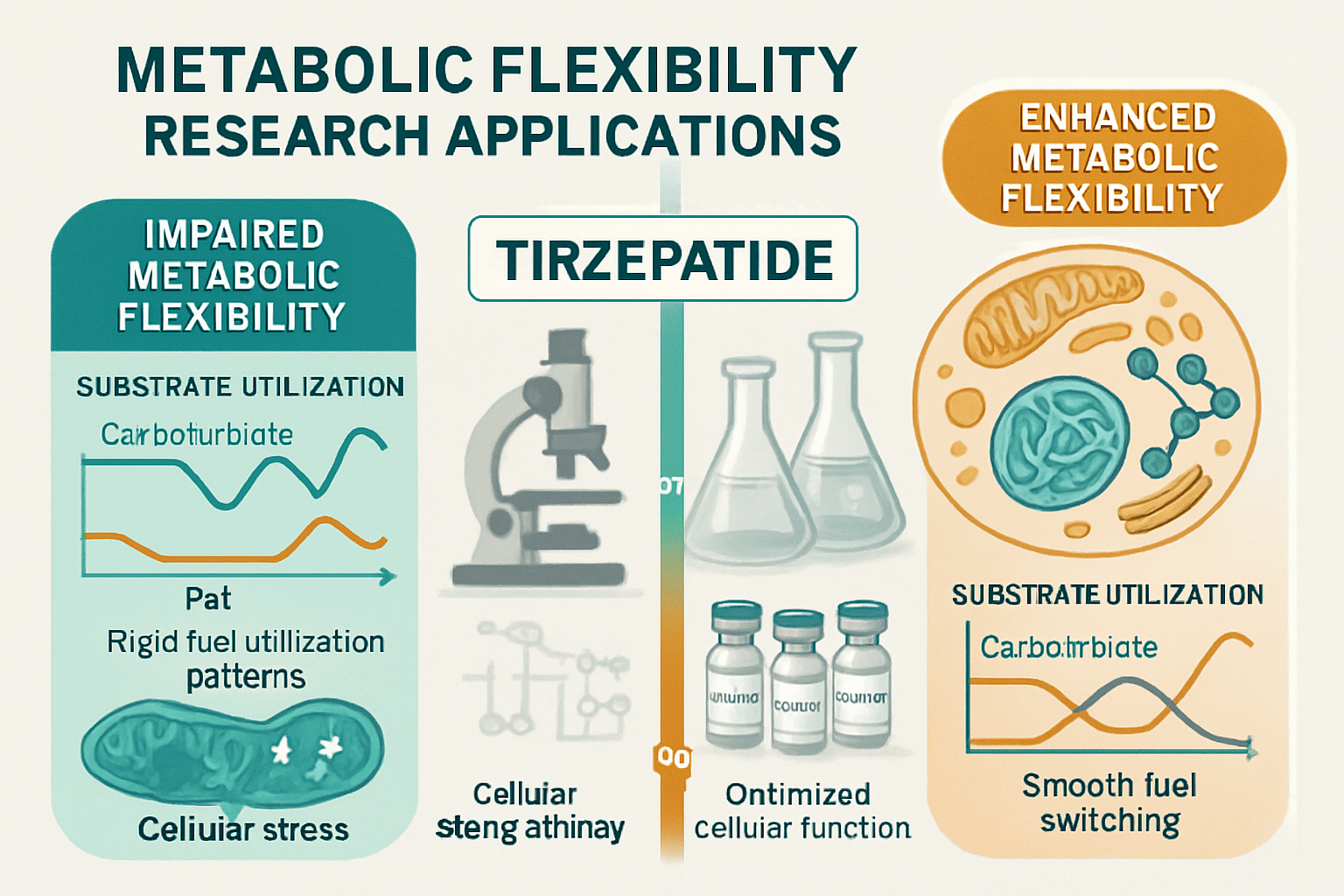
The field of tirzepatide metabolic flexibility research continues to evolve with new methodologies and investigative approaches in 2025.
Advanced Metabolic Phenotyping
Multi-Omics Integration
Contemporary research employs comprehensive analytical approaches:
- Metabolomics: Untargeted and targeted metabolite profiling
- Proteomics: Quantitative protein expression and phosphorylation
- Transcriptomics: RNA sequencing and gene expression analysis
- Lipidomics: Comprehensive lipid species characterization
Systems Biology Approaches
- Pathway enrichment analysis
- Network modeling of metabolic interactions
- Integration of multi-scale data (molecular to organismal)
- Computational prediction of metabolic outcomes
Mitochondrial Dynamics and Quality Control
Emerging Research Areas
Recent investigations focus on tirzepatide’s effects on:
Mitochondrial Biogenesis
- PGC-1α activation kinetics and magnitude
- Mitochondrial DNA replication and transcription
- Import machinery and proteome remodeling
- Functional integration of new mitochondria
Mitochondrial Quality Control
- Mitophagy induction and selective autophagy
- Mitochondrial fission and fusion dynamics
- Mitochondrial-derived vesicle formation
- Mitochondrial unfolded protein response
Cristae Structure and Function
- Inner membrane organization and dynamics
- Respiratory supercomplex formation
- Contact site regulation (MAMs, ER-mitochondria)
- Calcium signaling and buffering capacity
Circadian Metabolism Integration
Temporal Metabolic Regulation
2025 research explores how tirzepatide metabolic flexibility interacts with circadian metabolic rhythms:
- Time-dependent metabolic responses
- Clock gene expression modulation
- Temporal coordination of fed/fasted transitions
- Chronopharmacology considerations
Tissue Crosstalk and Inter-Organ Communication
Systemic Metabolic Coordination
Advanced research examines:
- Myokine, hepatokine, and adipokine secretion patterns
- Exosome-mediated inter-tissue communication
- Metabolite signaling between organs
- Coordinated whole-body metabolic adaptation
For researchers pursuing cutting-edge metabolic flexibility investigations, PEPTIDE PRO’s comprehensive research peptide portfolio supports diverse experimental approaches.
Methodological Advances in Metabolic Flexibility Assessment
The investigation of tirzepatide metabolic flexibility benefits from continuous methodological innovation and technological advancement.
Real-Time Metabolic Monitoring
Advanced Biosensor Technologies
Contemporary research employs sophisticated real-time monitoring:
- Fluorescent metabolic sensors: Genetically encoded indicators for glucose, ATP, lactate
- Oxygen consumption electrodes: High-resolution respirometry
- Continuous glucose monitoring: Dynamic glucose flux assessment
- Isotope tracer analysis: Metabolic flux quantification
Single-Cell Metabolic Analysis
Cellular Heterogeneity Investigation
Emerging techniques reveal metabolic diversity within cell populations:
- Single-cell RNA sequencing for metabolic gene expression
- Mass cytometry for metabolic protein profiling
- Live-cell metabolic imaging with fluorescent reporters
- Microfluidic devices for individual cell metabolic assessment
In Vivo Metabolic Imaging
Non-Invasive Metabolic Assessment
Advanced imaging modalities enable dynamic metabolic monitoring:
- PET imaging: Glucose and fatty acid uptake visualization
- MR spectroscopy: Tissue metabolite quantification
- Optical imaging: Fluorescent reporter monitoring
- Hyperpolarized MRI: Real-time metabolic flux imaging
Practical Considerations for Research Implementation
Successful investigation of tirzepatide metabolic flexibility requires attention to practical experimental details and best practices.
Reconstitution and Preparation
Proper Peptide Handling
Research-grade tirzepatide requires careful preparation:
- Reconstitution Protocol
- Use sterile bacteriostatic water or appropriate buffer
- Calculate concentration based on peptide mass and volume
- Gentle mixing without vigorous shaking
- Complete dissolution verification
- Working Solution Preparation
- Serial dilution from stock concentration
- Use of appropriate buffers for cell culture studies
- pH verification and adjustment if necessary
- Filter sterilization when required
- Storage Optimization
- Aliquot stock solutions to minimize freeze-thaw
- Store at appropriate temperature (-20°C or -80°C)
- Document preparation date and storage conditions
- Establish maximum storage duration protocols
Experimental Controls
Essential Control Conditions
Rigorous tirzepatide metabolic flexibility research requires comprehensive controls:
✅ Vehicle controls: Matched buffer/solvent without peptide ✅ Positive controls: Known metabolic modulators (insulin, AICAR) ✅ Negative controls: Untreated baseline conditions ✅ Time controls: Matched duration without treatment ✅ Dose-response curves: Multiple concentration testing ✅ Temporal analysis: Time-course assessments
Data Quality Assurance
Validation and Verification
Ensuring data quality and reproducibility:
- Technical replicates within experiments (minimum n=3)
- Biological replicates across independent experiments
- Blinded analysis to reduce bias
- Positive and negative control performance verification
- Consistency checks across experimental batches
- Documentation of all experimental parameters
Researchers can ensure experimental quality by sourcing certified research-grade peptides with comprehensive documentation and support.
Integration with Broader Metabolic Research
Understanding tirzepatide metabolic flexibility contributes to larger questions in metabolic biology and energy homeostasis research.
Metabolic Disease Modeling
Research Applications in Disease Contexts
Tirzepatide metabolic flexibility research informs understanding of:
- Insulin resistance mechanisms: Substrate inflexibility and metabolic dysfunction
- Metabolic syndrome models: Multi-organ metabolic dysregulation
- Mitochondrial disorders: Energy metabolism impairment
- Aging-related metabolic decline: Loss of metabolic adaptability
Nutritional Biochemistry
Nutrient-Peptide Interactions
Research explores how tirzepatide metabolic flexibility interacts with nutritional states:
- Fasting-induced metabolic adaptation
- Postprandial metabolic responses
- Macronutrient-specific effects (glucose vs. lipid challenges)
- Ketogenic state interactions
- Protein metabolism and amino acid oxidation
Exercise Metabolism
Physical Activity and Metabolic Adaptation
Investigating tirzepatide’s effects on exercise-related metabolic flexibility:
- Substrate utilization during exercise
- Post-exercise metabolic recovery
- Training adaptation and metabolic remodeling
- Mitochondrial biogenesis in response to activity
Comparative Physiology
Cross-Species Metabolic Flexibility
Research across different model systems reveals:
- Species-specific receptor expression and function
- Evolutionary conservation of metabolic pathways
- Model organism advantages and limitations
- Translation considerations from research models
Future Directions in Tirzepatide Metabolic Flexibility Research
The field of tirzepatide metabolic flexibility research continues to expand with new questions and investigative approaches emerging in 2025.
Precision Metabolic Phenotyping
Individual Metabolic Variability
Future research directions include:
- Genetic determinants of metabolic flexibility responses
- Baseline metabolic phenotype predictors of response magnitude
- Personalized metabolic profiling approaches
- Biomarker identification for metabolic flexibility assessment
Combination Approaches
Multi-Modal Metabolic Interventions
Investigating synergistic effects:
- Tirzepatide combined with other metabolic modulators
- Integration with nutritional interventions
- Combination with exercise protocols
- Multi-target therapeutic strategies
Long-Term Metabolic Adaptation
Chronic Metabolic Remodeling
Extended investigation of:
- Sustained metabolic flexibility improvements
- Adaptive responses over prolonged exposure
- Metabolic memory and lasting effects
- Reversal of metabolic inflexibility
Mechanistic Deep Dives
Molecular Detail Resolution
Advanced mechanistic investigations:
- Crystal structure and receptor binding dynamics
- Allosteric modulation and biased agonism
- Downstream signaling kinetics and dynamics
- Epigenetic modifications and lasting metabolic programming
Research Resources and Support
Conducting high-quality research on tirzepatide metabolic flexibility requires access to reliable research materials and comprehensive support.
Quality Research Peptides
PEPTIDE PRO Research Solutions
PEPTIDE PRO provides researchers with:
- ✅ High-purity tirzepatide: >95% purity by HPLC analysis
- ✅ Comprehensive documentation: Certificates of analysis and handling guidance
- ✅ Rapid UK delivery: Same-day dispatch for orders before 1pm (Mon-Fri)
- ✅ International shipping: Worldwide delivery with appropriate temperature control
- ✅ Research support: Technical guidance and protocol consultation
- ✅ Extensive catalogue: Complementary research peptides for comparative studies
Experimental Support Resources
Educational Materials and Guidance
Researchers benefit from comprehensive resources:
- Reconstitution and storage protocols
- Handling best practices documentation
- Experimental design considerations
- Troubleshooting guidance
- Literature references and research updates
Regulatory Compliance
Research-Only Applications
⚠️ Important Notice: All peptides supplied by PEPTIDE PRO are strictly for research use only. Not for human or animal consumption. Researchers must comply with all applicable regulations and institutional guidelines.
The Expanding Landscape of Tirzepatide Metabolic Flexibility Research
The investigation of tirzepatide metabolic flexibility represents a dynamic and expanding area of metabolic research in 2025. Through its unique dual GLP-1/GIP receptor agonism, tirzepatide provides researchers with a valuable tool for exploring fundamental questions about cellular energy metabolism, substrate utilization, and metabolic adaptation.
Key Research Insights
Current evidence demonstrates that tirzepatide influences metabolic flexibility through multiple integrated mechanisms:
🔬 Dual receptor activation engaging complementary metabolic pathways 🔬 Enhanced substrate switching between glucose and fatty acid oxidation 🔬 Mitochondrial adaptation improving oxidative capacity and efficiency 🔬 Tissue-specific effects coordinating whole-body metabolic homeostasis 🔬 Molecular signaling integration through AMPK, insulin, and transcriptional pathways
Research Applications and Opportunities
The study of tirzepatide metabolic flexibility offers numerous research opportunities:
- Mechanistic investigation of dual incretin receptor signaling
- Comparative analysis with other metabolic modulators
- Tissue-specific metabolic adaptation studies
- Mitochondrial function and bioenergetics research
- Systems biology and multi-omics integration
- Translational metabolic disease modeling
Methodological Considerations
Rigorous investigation requires:
- High-purity research-grade peptides with comprehensive documentation
- Appropriate experimental controls and validation approaches
- Multi-parameter metabolic assessment techniques
- Integration of cellular, molecular, and systems-level analyses
- Careful attention to experimental design and statistical power
Moving Forward
As research methodologies advance and our understanding of metabolic flexibility deepens, tirzepatide continues to serve as a valuable research tool for investigating the complex regulation of cellular and whole-body energy metabolism. The integration of advanced analytical techniques, systems biology approaches, and mechanistic investigation promises to yield new insights into metabolic adaptation and flexibility.
Next Steps for Researchers
For investigators pursuing tirzepatide metabolic flexibility research:
- Define specific research questions aligned with metabolic flexibility mechanisms
- Design comprehensive experimental protocols incorporating multiple metabolic parameters
- Source high-quality research materials from reliable suppliers with appropriate documentation
- Implement rigorous controls and validation approaches
- Consider multi-scale analysis from molecular to systems levels
- Integrate findings with broader metabolic research contexts
Researchers ready to advance their metabolic flexibility investigations can explore PEPTIDE PRO’s comprehensive research peptide catalogue for high-purity compounds, rapid UK delivery, and professional research support.
Disclaimer: This article is intended for educational and informational purposes only. All peptides discussed are strictly for research use only and not for human or animal consumption. Researchers must comply with all applicable regulations, institutional guidelines, and ethical requirements. Always consult appropriate regulatory bodies and institutional review boards before conducting research.