

The pharmaceutical landscape has witnessed remarkable innovation in peptide therapeutics, yet one question continues to perplex researchers and patients alike: can tirzepatide—the groundbreaking dual GIP/GLP-1 receptor agonist—be formulated as an oral tablet? As demand for convenient administration methods grows exponentially in 2025, understanding the scientific realities behind Tirzepatide Tablets: Do Oral Forms Exist? becomes increasingly critical for informed decision-making in research and clinical contexts.
The simple answer challenges widespread misconceptions: authentic tirzepatide tablets do not currently exist in approved pharmaceutical formulations. Despite persistent online claims and questionable marketplace offerings, the molecular characteristics of this 39-amino acid peptide create fundamental barriers to oral delivery that current technology has yet to overcome. This comprehensive analysis examines why tirzepatide remains exclusively available as an injectable formulation, explores the scientific obstacles preventing oral development, and clarifies what researchers should understand about peptide administration routes.
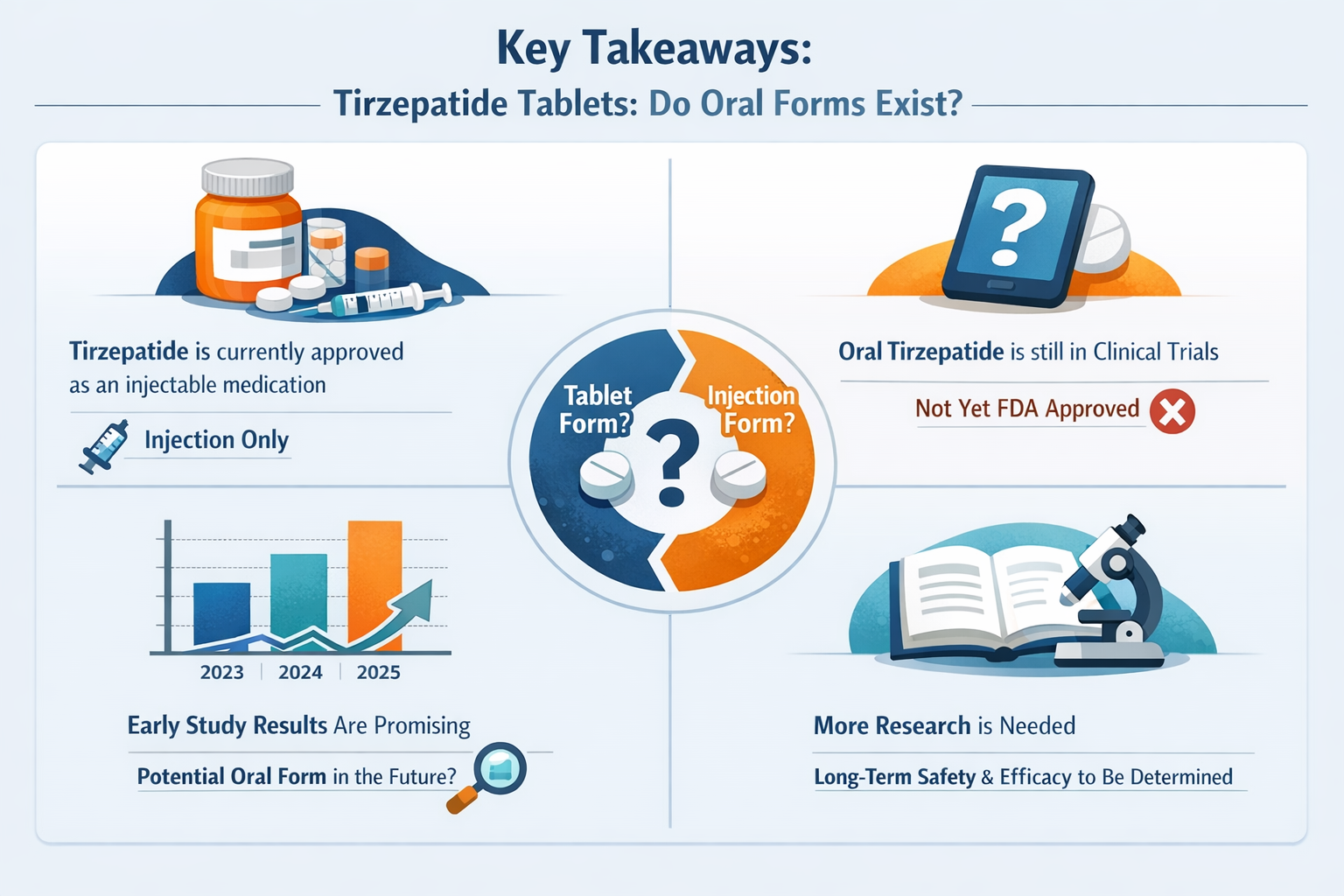
Key Takeaways
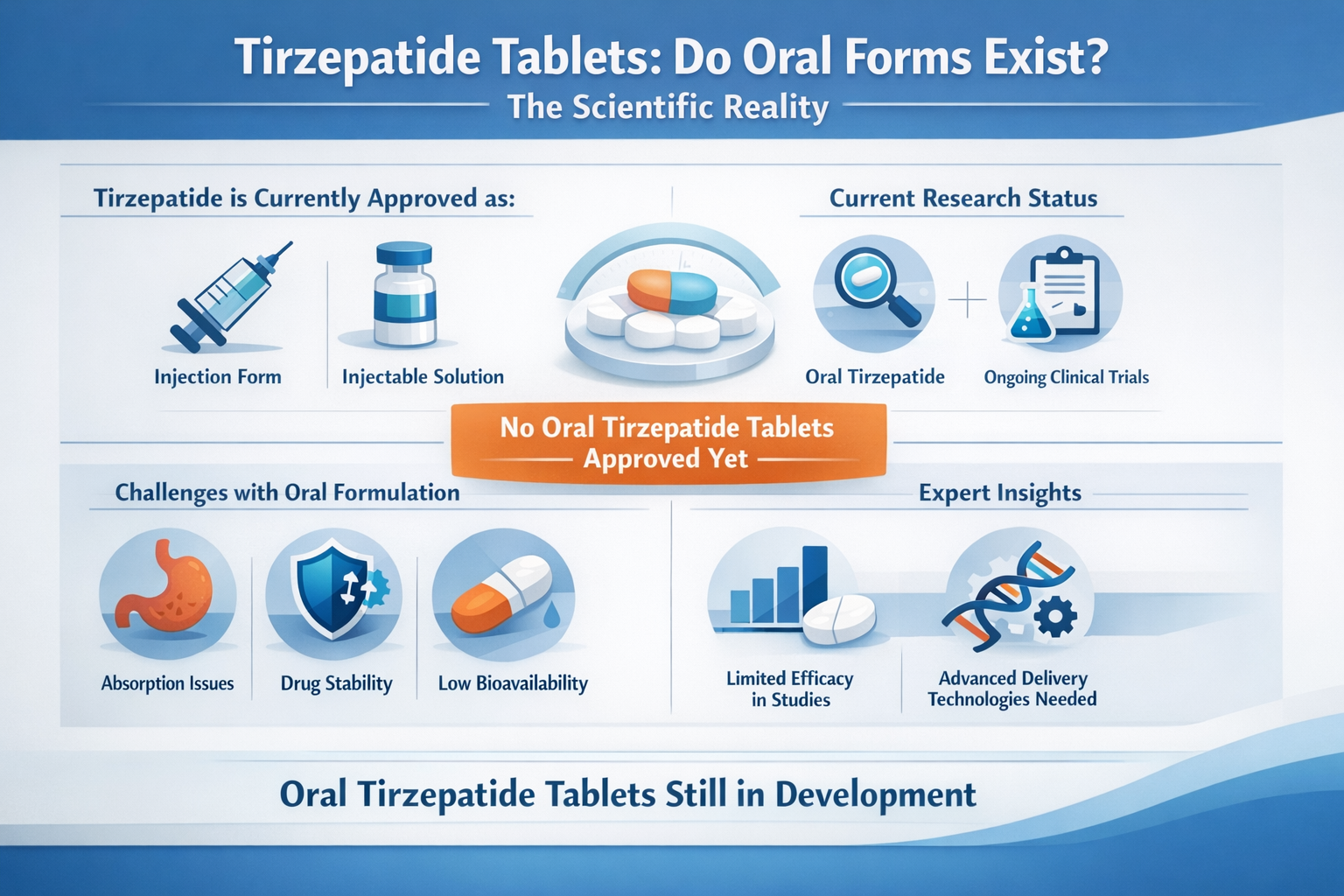
- No FDA-approved oral tirzepatide tablets exist as of 2025; all legitimate formulations require subcutaneous injection
- Peptide structure fundamentally prevents oral bioavailability due to gastric acid degradation and enzymatic breakdown in the digestive system
- Injectable tirzepatide maintains 80-90% bioavailability compared to theoretical oral forms that would achieve less than 5% absorption
- Research-grade tirzepatide from reputable suppliers like PEPTIDE PRO ensures proper lyophilized formulation for reconstitution and injection
- Emerging oral peptide technologies show promise but remain years away from commercial tirzepatide tablet availability
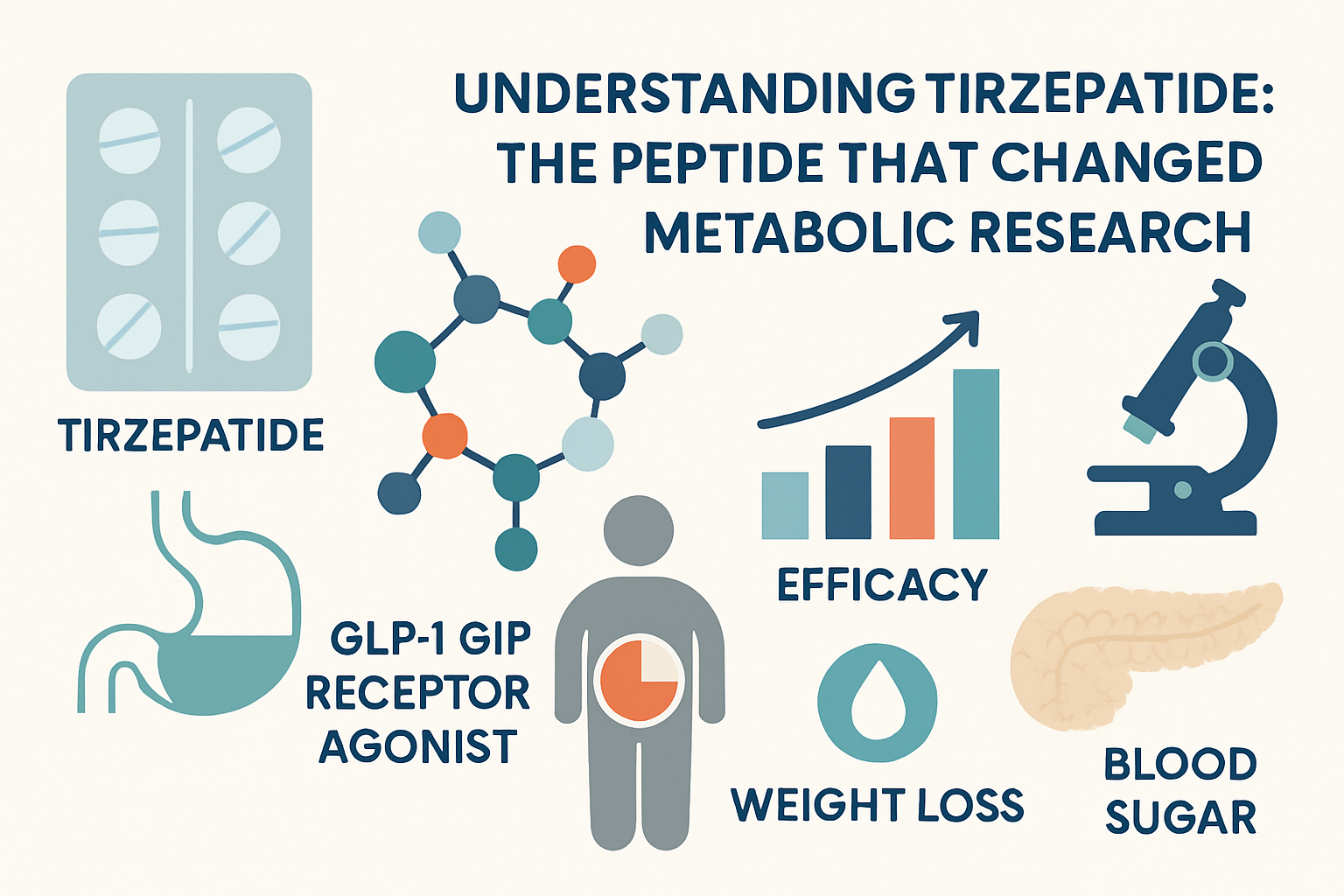
Understanding Tirzepatide: The Peptide That Changed Metabolic Research
The Molecular Architecture of Tirzepatide
Tirzepatide represents a sophisticated achievement in peptide engineering—a 39-amino acid sequence designed to simultaneously activate both glucose-dependent insulinotropic polypeptide (GIP) and glucagon-like peptide-1 (GLP-1) receptors[1]. This dual agonist mechanism distinguishes tirzepatide from earlier single-target peptides, delivering enhanced metabolic effects that have revolutionized diabetes and obesity research.
The peptide’s molecular weight of approximately 4,813 Daltons and its complex three-dimensional structure create specific challenges for pharmaceutical formulation. Unlike small-molecule drugs that typically weigh less than 500 Daltons and can easily traverse biological membranes, tirzepatide’s size and hydrophilic amino acid composition render it vulnerable to degradation in hostile environments—particularly the acidic conditions of the gastrointestinal tract[2].
Key structural features include:
- 🧬 39 amino acid residues arranged in a specific sequence for receptor binding
- 🔗 Fatty acid chain modification (C20 diacid) enabling albumin binding and extended half-life
- ⚡ Dual receptor specificity requiring precise conformational structure
- 💧 Hydrophilic regions preventing passive membrane permeability
Why Injection Remains the Gold Standard
The subcutaneous injection route for tirzepatide isn’t merely conventional—it’s scientifically necessary. When administered via injection into subcutaneous tissue, tirzepatide achieves bioavailability rates between 80-90%, meaning the vast majority of the administered dose reaches systemic circulation intact and pharmacologically active[3].
This delivery method bypasses the primary obstacles that would destroy oral formulations:
Gastric Acid Exposure: The stomach maintains a pH of 1.5-3.5, creating an environment where peptide bonds rapidly hydrolyze. Tirzepatide’s peptide backbone would fragment within minutes of gastric exposure, rendering the molecule therapeutically inactive before absorption could occur.
Enzymatic Degradation: Proteolytic enzymes including pepsin, trypsin, and chymotrypsin actively cleave peptide bonds throughout the digestive system. These enzymes evolved specifically to break down dietary proteins into absorbable amino acids—they cannot distinguish between food proteins and therapeutic peptides[4].
Intestinal Barrier Impermeability: Even if tirzepatide survived enzymatic assault, its molecular size and hydrophilic character prevent passive diffusion across intestinal epithelial cells. The tight junctions between enterocytes effectively exclude molecules above 200-400 Daltons, while tirzepatide exceeds 4,800 Daltons.
Research facilities and laboratories sourcing high-purity research peptides understand these fundamental limitations, which is why legitimate tirzepatide suppliers exclusively offer lyophilized (freeze-dried) formulations designed for reconstitution and subcutaneous administration.
Tirzepatide Tablets: Do Oral Forms Exist? The Scientific Reality
The Bioavailability Barrier
The question “Tirzepatide Tablets: Do Oral Forms Exist?” requires understanding bioavailability—the fraction of an administered dose that reaches systemic circulation unchanged. For oral medications, bioavailability depends on survival through the gastrointestinal tract and successful absorption across the intestinal barrier.
Extensive pharmacokinetic research demonstrates that unmodified peptides administered orally achieve bioavailability rates typically below 1-2%[5]. For tirzepatide specifically, theoretical calculations and analogous peptide studies suggest oral bioavailability would not exceed 5% even under optimal conditions—a reduction of 95% compared to subcutaneous injection.
Comparative Bioavailability Analysis:
| Administration Route | Bioavailability | Clinical Viability |
|---|---|---|
| Subcutaneous Injection | 80-90% | ✅ Current standard |
| Intramuscular Injection | 75-85% | ✅ Alternative route |
| Oral Tablet (unmodified) | <5% | ❌ Therapeutically insufficient |
| Oral with Permeation Enhancers | 10-20% | ⚠️ Experimental only |
| Buccal/Sublingual | 15-30% | ⚠️ Research phase |
This dramatic bioavailability difference means that even if oral tirzepatide tablets could deliver 10% bioavailability—an optimistic projection requiring advanced formulation technology—patients would require doses 8-9 times higher than injectable equivalents to achieve comparable therapeutic effects. Such dose escalation would prove economically prohibitive and potentially introduce unforeseen safety concerns.
Why “Oral Tirzepatide” Claims Should Raise Red Flags
The peptide research community has observed concerning proliferation of online vendors claiming to offer “oral tirzepatide tablets” or “tirzepatide capsules” in 2025. These products warrant extreme skepticism for several critical reasons:
1. No Regulatory Approval Exists
As of 2025, neither the FDA (United States), EMA (European Union), nor MHRA (United Kingdom) has approved any oral formulation of tirzepatide. The only authorized tirzepatide products—Mounjaro® for diabetes and Zepbound® for weight management—are exclusively available as pre-filled injection pens[6].
2. Fundamental Chemistry Hasn’t Changed
The peptide bond susceptibility to acid hydrolysis and enzymatic cleavage represents basic organic chemistry that cannot be circumvented through simple tableting. Claims of “special coating” or “proprietary formulation” without peer-reviewed evidence and regulatory validation should be dismissed as marketing rather than science.
3. Quality and Authenticity Concerns
Products marketed as “oral tirzepatide” likely contain either:
- No active ingredient (placebo tablets)
- Degraded peptide fragments with no therapeutic activity
- Entirely different compounds misrepresented as tirzepatide
- Contaminated preparations posing health risks
Researchers requiring authentic tirzepatide for legitimate studies should source exclusively from verified suppliers offering properly characterized injectable formulations. PEPTIDE PRO’s research-grade peptides undergo rigorous quality control with Certificates of Analysis confirming identity, purity, and proper storage conditions.
The Semaglutide Precedent: Why Oral Success Doesn’t Translate
A common misconception stems from Rybelsus®—the oral formulation of semaglutide, another GLP-1 receptor agonist approved in 2019. Some assume that if semaglutide can be delivered orally, tirzepatide tablets must also be feasible. This reasoning overlooks critical pharmaceutical distinctions.
Rybelsus® employs sodium N-(8-[2-hydroxybenzoyl] amino) caprylate (SNAC), a specialized absorption enhancer that temporarily increases gastric pH and facilitates peptide absorption across the stomach lining[7]. Even with this sophisticated technology, oral semaglutide achieves only 0.4-1% bioavailability—requiring 14mg oral doses to approximate the effect of 1mg subcutaneous doses.
Why SNAC technology hasn’t been applied to tirzepatide:
- 📊 Different molecular structure: Tirzepatide’s dual receptor mechanism and larger size create distinct absorption challenges
- 💰 Economic considerations: The 14-fold dose increase required for oral delivery would make tirzepatide tablets prohibitively expensive
- ⏱️ Timing requirements: Oral semaglutide requires fasting conditions and precise timing, reducing patient convenience—the primary supposed advantage of oral delivery
- 🔬 Patent and development: SNAC technology is proprietary, and adapting it to tirzepatide would require extensive clinical trials spanning years
The semaglutide example actually reinforces why Tirzepatide Tablets: Do Oral Forms Exist? receives a definitive “no” answer in 2025—even the most advanced oral peptide delivery systems achieve such minimal bioavailability that the practical advantages disappear.
Current Tirzepatide Formulations: What Actually Works
Lyophilized Peptides: The Research Standard
Legitimate tirzepatide for research applications comes exclusively as lyophilized (freeze-dried) powder in sterile pen peptides. This formulation method preserves peptide stability during storage and transport, preventing degradation that would occur in liquid formulations[8].
The lyophilization process:
- Freezing: Tirzepatide solution is frozen to -40°C to -50°C
- Primary Drying: Vacuum removes ice through sublimation (solid to gas transition)
- Secondary Drying: Residual moisture is extracted under controlled temperature
- Sealing: Vials are sealed under inert atmosphere (typically nitrogen or argon)
The resulting white or off-white powder cake remains stable for 24-36 months when stored at 2-8°C (refrigerated), compared to reconstituted solutions which maintain stability for only 21-28 days under refrigeration[9].
Researchers working with tirzepatide formulations must understand proper reconstitution protocols:
Reconstitution Best Practices:
- ✅ Use bacteriostatic water (0.9% benzyl alcohol) for multi-dose pen peptides
- ✅ Inject diluent slowly down the pen peptide wall, not directly onto the peptide cake
- ✅ Gently swirl (never shake) to dissolve; shaking can denature peptides
- ✅ Inspect for clarity; properly reconstituted tirzepatide should be clear and colorless
- ✅ Store reconstituted solution at 2-8°C and use within 28 days
- ✅ Never freeze reconstituted peptide solutions
Injectable Administration: Technique and Considerations
While the question “Tirzepatide Tablets: Do Oral Forms Exist?” focuses on oral delivery, understanding proper injectable technique remains essential for researchers conducting in vivo studies or clinical investigations.
Subcutaneous Injection Sites:
Tirzepatide should be administered into subcutaneous tissue (the layer between skin and muscle) at sites with adequate fat deposits:
- Abdomen: 2 inches away from navel (most common site)
- Thigh: Front and outer portions of upper leg
- Upper arm: Back of upper arm (requires assistance for self-administration)
Injection Protocol:
- Verify proper storage temperature (2-8°C) before use
- Allow solution to reach room temperature (15-20 minutes)
- Inspect for particulates or discoloration
- Clean injection site with alcohol swab
- Pinch skin to create subcutaneous fold
- Insert needle at 45-90° angle depending on needle length
- Inject slowly over 5-10 seconds
- Withdraw needle and apply gentle pressure
- Dispose of needle in approved sharps container
Research protocols should rotate injection sites to prevent lipohypertrophy (localized fat accumulation) or lipoatrophy (fat tissue loss) at frequently used sites.
Dosing Considerations for Research Applications
Clinical tirzepatide dosing follows an escalation protocol starting at 2.5mg weekly and increasing to maintenance doses of 5mg, 7.5mg, 10mg, 12.5mg, or 15mg based on therapeutic response and tolerance[10]. Research applications may employ different dosing strategies depending on study objectives.
Available Research Concentrations:
PEPTIDE PRO offers tirzepatide in multiple concentrations to accommodate diverse research protocols:
- 2.5mg pen peptides for dose-escalation studies
- 5mg, 7.5mg, and 10mg for standard protocols
- 12.5mg and 15mg for maximum-dose investigations
- 30mg, 40mg, and 60mg bulk pen peptides for extended studies
Each concentration serves specific research needs, and proper calculation of reconstitution volumes ensures accurate dosing throughout experimental protocols.
The Future of Oral Peptide Delivery: Emerging Technologies
Advanced Formulation Strategies Under Investigation
While Tirzepatide Tablets: Do Oral Forms Exist? currently receives a negative answer, pharmaceutical research continues pursuing oral peptide delivery technologies that may eventually enable tablet formulations. Understanding these emerging approaches provides context for future possibilities.
1. Permeation Enhancers
Beyond SNAC (used in oral semaglutide), researchers are investigating novel compounds that temporarily increase intestinal permeability:
- Sodium caprate (C10): Medium-chain fatty acid that reversibly opens tight junctions
- Chitosan derivatives: Natural polymers that interact with mucosal surfaces
- Zonula occludens toxin (ZOT) analogues: Peptides that modulate tight junction proteins
- Bile salt derivatives: Surfactants that enhance membrane fluidity
These enhancers face significant regulatory scrutiny regarding long-term safety, as repeated disruption of intestinal barriers could potentially increase systemic exposure to dietary antigens, bacteria, or toxins[11].
2. Protective Encapsulation Technologies
Nanoparticle and microparticle systems aim to shield peptides from enzymatic degradation:
- Liposomes: Phospholipid vesicles encapsulating peptide cargo
- PLGA microspheres: Biodegradable polymer matrices releasing peptide gradually
- Solid lipid nanoparticles: Lipid-based carriers protecting against enzymatic attack
- Hydrogel systems: Water-swellable polymers creating protective microenvironments
While promising in laboratory settings, these technologies face challenges scaling to commercial production and achieving consistent, predictable bioavailability across diverse patient populations.
3. Receptor-Mediated Transcytosis
Exploiting natural intestinal transport mechanisms represents an elegant approach:
- Vitamin B12 pathway: Conjugating peptides to cobalamin for intrinsic factor-mediated absorption
- Transferrin receptor targeting: Using iron transport pathways
- FcRn receptor exploitation: Leveraging neonatal Fc receptor transcytosis
These strategies require chemical modification of tirzepatide that could alter receptor binding affinity or pharmacodynamics, necessitating extensive validation.
Timeline Projections: When Might Oral Tirzepatide Become Reality?
Pharmaceutical development timelines provide sobering perspective on oral tirzepatide availability. Even if breakthrough formulation technology emerged tomorrow, the pathway to approved oral tirzepatide tablets would require:
Development Phase Timeline:
| Phase | Duration | Key Activities |
|---|---|---|
| Formulation Development | 2-3 years | Optimize delivery system, stability testing |
| Preclinical Studies | 1-2 years | Animal pharmacokinetics, toxicology |
| Phase I Clinical Trials | 1-2 years | Human safety, dose-finding |
| Phase II Clinical Trials | 2-3 years | Efficacy signals, optimal dosing |
| Phase III Clinical Trials | 3-4 years | Large-scale efficacy and safety |
| Regulatory Review | 1-2 years | FDA/EMA evaluation and approval |
| Total Timeline | 10-16 years | From discovery to market |
This timeline assumes no significant setbacks—a generous assumption given that most pharmaceutical candidates fail during development. Historical data shows that fewer than 10% of compounds entering Phase I trials ultimately achieve regulatory approval[12].
Realistic projections for oral tirzepatide:
- 🔬 2025-2028: Continued research on oral peptide delivery platforms
- 🧪 2028-2032: Potential early-stage clinical trials if formulation breakthroughs occur
- 📊 2032-2037: Phase II/III trials demonstrating efficacy and safety
- ✅ 2037-2040: Earliest possible regulatory approval (optimistic scenario)
Researchers and clinicians should plan around injectable tirzepatide remaining the exclusive viable formulation for at least the next decade.
Identifying Legitimate Tirzepatide Sources for Research
Quality Markers of Research-Grade Peptides
Given the proliferation of questionable “oral tirzepatide” products, researchers must apply rigorous criteria when sourcing peptides for legitimate scientific investigation. Tirzepatide Tablets: Do Oral Forms Exist? may be answered negatively, but authentic injectable tirzepatide certainly exists—provided researchers know how to identify quality suppliers.
Essential Quality Indicators:
✅ Certificates of Analysis (CoA): Every batch should include third-party analytical testing confirming:
- Identity verification (mass spectrometry)
- Purity quantification (HPLC ≥98%)
- Endotoxin levels (<1 EU/mg)
- Sterility confirmation
- Moisture content
✅ Proper Formulation: Legitimate tirzepatide appears as lyophilized powder, never as tablets, capsules, or pre-mixed liquids claiming oral administration
✅ Appropriate Labeling: Research peptides must clearly state “For Research Use Only – Not for Human Consumption” in compliance with regulatory requirements
✅ Storage and Handling Documentation: Reputable suppliers provide detailed guidance on:
- Storage temperature requirements (2-8°C for lyophilized, -20°C for long-term)
- Reconstitution protocols
- Stability data
- Expiration dating
✅ Transparent Business Practices: Quality suppliers maintain:
- Verifiable business registration
- Responsive customer service
- Clear return and quality guarantee policies
- Educational resources for proper handling
PEPTIDE PRO exemplifies these quality standards, offering research-grade tirzepatide with complete documentation, rapid UK delivery, and professional support for researchers requiring reliable peptide sources.
Red Flags: Avoiding Counterfeit or Degraded Products
The peptide marketplace contains numerous problematic vendors that researchers must avoid. Recognition of warning signs protects research integrity and laboratory safety.
Critical Red Flags:
🚩 Claims of “oral tirzepatide tablets” – As established, no legitimate oral formulation exists
🚩 Absence of analytical documentation – No CoA, purity data, or testing results
🚩 Suspiciously low pricing – Authentic peptide synthesis is expensive; prices significantly below market average indicate quality compromise
🚩 Vague product descriptions – Legitimate suppliers specify exact peptide sequence, molecular weight, and formulation details
🚩 No temperature control during shipping – Peptides degrade rapidly at ambient temperature; proper suppliers use cold-chain logistics
🚩 Marketing for human consumption – Research peptides cannot be legally marketed for human use; such claims indicate regulatory non-compliance
🚩 Lack of business transparency – No verifiable address, anonymous ownership, or untraceable contact methods
🚩 Pressure tactics or “limited time offers” – Legitimate scientific suppliers don’t employ aggressive sales techniques
Storage and Handling Best Practices
Proper storage and handling significantly impact peptide stability and research reproducibility. Even the highest-purity tirzepatide degrades rapidly under inappropriate conditions.
Lyophilized Peptide Storage:
- Short-term (≤6 months): 2-8°C in original sealed pen peptide
- Long-term (>6 months): -20°C to -80°C with desiccant
- Critical: Minimize freeze-thaw cycles; aliquot before freezing if multiple uses anticipated
- Environment: Dark, dry location away from temperature fluctuations
Reconstituted Solution Storage:
- Temperature: 2-8°C (refrigerated) exclusively
- Duration: Use within 28 days of reconstitution
- Container: Original sterile pen peptide with rubber stopper
- Protection: Shield from light; some peptides are photosensitive
- Never freeze: Freezing reconstituted peptides causes aggregation and loss of activity
Handling Protocols:
- Allow refrigerated pen peptides to reach room temperature before opening (prevents condensation)
- Use sterile technique for all manipulations
- Avoid repeated needle punctures of pen peptide stoppers (increases contamination risk)
- Record reconstitution date, concentration, and storage location
- Inspect before each use for particulates, cloudiness, or color change
Research facilities should implement standard operating procedures (SOPs) for peptide handling and train all personnel on proper techniques. The educational resources at PEPTIDE PRO provide additional guidance for laboratories establishing peptide handling protocols.
Regulatory Landscape and Compliance Considerations
Research Use Designation: Legal Requirements
The distinction between research-grade peptides and pharmaceutical products carries significant legal implications. Understanding regulatory frameworks ensures compliance and protects research institutions from potential violations.
United Kingdom Regulations:
Under the Medicines and Healthcare products Regulatory Agency (MHRA), peptides marketed “for research use only” occupy a distinct regulatory category from approved medicines. Key requirements include:
- Clear labeling: Products must explicitly state “For Research Use Only – Not for Human Consumption”
- No therapeutic claims: Marketing cannot suggest human health benefits or treatment applications
- Quality standards: While not subject to GMP requirements for pharmaceuticals, research peptides should meet documented quality specifications
- Distribution controls: Suppliers should implement reasonable measures to ensure research-only use
European Union Framework:
The European Medicines Agency (EMA) maintains similar distinctions, with research chemicals falling outside pharmaceutical regulations provided they:
- Are not presented for human therapeutic use
- Include appropriate safety warnings
- Meet chemical purity standards for research applications
- Maintain proper documentation and traceability
United States Regulations:
The FDA distinguishes between approved drugs and research chemicals. Tirzepatide for research use must:
- Not be marketed with disease treatment claims
- Include “Not for human or veterinary use” disclaimers
- Avoid packaging or presentation suggesting pharmaceutical use
- Maintain clear separation from approved Mounjaro® or Zepbound® products
Researchers should verify that their peptide sources comply with applicable regulations in their jurisdiction. PEPTIDE PRO’s commitment to regulatory compliance ensures that all products meet UK and international research use standards.
Institutional Review and Ethical Considerations
Research involving tirzepatide—whether in vitro, animal models, or human subjects—requires appropriate institutional oversight and ethical review.
In Vitro Research:
Cell culture and biochemical studies using tirzepatide typically require minimal regulatory oversight but should follow:
- Laboratory safety protocols for handling biological materials
- Institutional biosafety committee approval if using recombinant DNA or infectious agents
- Proper documentation of experimental protocols and materials
Animal Research:
Studies using tirzepatide in animal models require:
- Institutional Animal Care and Use Committee (IACUC) approval in the US
- Animal Welfare and Ethical Review Body (AWERB) approval in the UK
- Compliance with the 3Rs principles (Replacement, Reduction, Refinement)
- Veterinary oversight and humane endpoint criteria
- Detailed justification of species selection, sample sizes, and experimental design
Human Subjects Research:
Clinical investigation of tirzepatide requires the highest level of regulatory oversight:
- Institutional Review Board (IRB) or Research Ethics Committee (REC) approval
- Informed consent procedures meeting regulatory standards
- Investigational New Drug (IND) application in the US
- Clinical Trial Authorization (CTA) in the UK
- Good Clinical Practice (GCP) compliance
- Comprehensive safety monitoring and adverse event reporting
Researchers must never use research-grade peptides for human self-administration or informal clinical use. Such practices violate ethical principles, regulatory requirements, and potentially criminal statutes.
Comparative Analysis: Tirzepatide vs. Other Metabolic Peptides
GLP-1 Receptor Agonists: The Broader Context
Tirzepatide exists within a family of incretin-based therapeutics that have transformed metabolic disease management. Understanding how tirzepatide compares to related peptides provides context for the question “Tirzepatide Tablets: Do Oral Forms Exist?” and why oral delivery remains challenging across this entire drug class.
Comparative Peptide Analysis:
| Peptide | Receptor Target | Amino Acids | Molecular Weight | Oral Formulation Available? |
|---|---|---|---|---|
| Tirzepatide | GIP + GLP-1 | 39 | ~4,813 Da | ❌ No |
| Semaglutide | GLP-1 | 31 | ~4,114 Da | ✅ Yes (Rybelsus®) |
| Liraglutide | GLP-1 | 31 | ~3,751 Da | ❌ No |
| Dulaglutide | GLP-1 | 31 (×2) | ~59,700 Da | ❌ No |
| Exenatide | GLP-1 | 39 | ~4,187 Da | ❌ No |
Only semaglutide has achieved oral formulation, and as previously discussed, this required sophisticated SNAC technology and accepts bioavailability below 1%—a compromise that may not be economically viable for tirzepatide.
Why Dual Agonism Complicates Oral Delivery
Tirzepatide’s dual GIP/GLP-1 receptor agonism—its primary therapeutic advantage—simultaneously creates additional obstacles for oral formulation. The peptide sequence must maintain specific structural features enabling binding to both receptor types, constraining the chemical modifications that might otherwise improve oral bioavailability.
Structural Constraints:
- Receptor binding domains: Specific amino acid sequences cannot be modified without losing GIP or GLP-1 activity
- Conformational requirements: The peptide must adopt precise three-dimensional structures for dual receptor engagement
- Fatty acid modification: The C20 diacid chain enabling albumin binding (and extended half-life) also increases molecular weight and hydrophobicity
Researchers exploring alternative metabolic peptides should recognize that these structural requirements make tirzepatide particularly resistant to oral delivery strategies that might work for simpler peptides.
Practical Guidance for Researchers and Clinicians
Designing Studies with Injectable Tirzepatide
Given that Tirzepatide Tablets: Do Oral Forms Exist? has been definitively answered as “no,” researchers must design protocols around injectable administration. This section provides practical guidance for incorporating tirzepatide into research studies.
Study Design Considerations:
1. Dosing Schedule Selection
Tirzepatide’s extended half-life (approximately 5 days) permits once-weekly dosing, simplifying research protocols compared to daily-injection peptides[13]. Consider:
- Day of week consistency: Maintain same weekly injection day throughout study
- Timing flexibility: Injections can occur any time of day, with or without meals
- Missed dose protocols: Establish clear procedures if scheduled dose is delayed
- Washout periods: Allow minimum 4-5 half-lives (20-25 days) between treatment periods
2. Dose Escalation Protocols
Most tirzepatide research follows stepwise dose escalation to minimize gastrointestinal side effects:
- Start: 2.5mg weekly × 4 weeks
- Increase to: 5mg weekly × 4 weeks
- Further increases: 7.5mg, 10mg, 12.5mg, or 15mg at 4-week intervals
- Maintenance: Continue at therapeutically effective dose
3. Outcome Measure Selection
Appropriate endpoints depend on research objectives:
- Metabolic studies: Fasting glucose, HbA1c, insulin sensitivity indices, lipid profiles
- Weight management research: Body weight, body composition (DEXA), waist circumference
- Mechanistic investigations: Receptor binding assays, signal transduction pathways, gene expression
- Safety monitoring: Gastrointestinal symptoms, heart rate, pancreatic enzymes, calcitonin
Training Requirements for Injectable Administration
Research staff administering tirzepatide require proper training to ensure consistent technique, minimize adverse events, and maintain data quality.
Essential Training Components:
📋 Theoretical Knowledge:
- Peptide pharmacology and mechanism of action
- Subcutaneous injection anatomy and technique
- Recognition and management of injection site reactions
- Emergency procedures for adverse events (though rare with tirzepatide)
🔬 Practical Skills:
- Reconstitution technique for lyophilized peptides
- Accurate dose measurement and syringe preparation
- Proper injection site selection and rotation
- Sterile technique and infection control
- Sharps safety and disposal procedures
📊 Documentation Requirements:
- Lot number and expiration date recording
- Injection site and technique documentation
- Adverse event reporting procedures
- Storage temperature monitoring logs
Research institutions should implement competency assessments before permitting staff to administer tirzepatide in study protocols.
Patient Education for Clinical Research Participants
When tirzepatide research involves human subjects, comprehensive participant education ensures informed consent, protocol adherence, and safety.
Key Educational Topics:
Administration Technique:
- Demonstration of proper injection technique with return demonstration
- Written instructions with visual aids
- Video resources showing injection procedures
- Troubleshooting common technique errors
Storage and Handling:
- Refrigeration requirements (2-8°C)
- Avoiding freezing
- Traveling with tirzepatide (insulated containers with ice packs)
- Checking for discoloration or particles before injection
Expected Effects and Side Effects:
- Common gastrointestinal effects (nausea, reduced appetite)
- Timeline for therapeutic effects
- Distinguishing expected effects from adverse reactions
- When to contact research staff
Protocol Compliance:
- Importance of weekly dosing schedule
- Procedures for missed doses
- Prohibited concomitant medications or supplements
- Required study visits and assessments
Providing participants with comprehensive educational materials improves retention, data quality, and safety outcomes in tirzepatide research studies.
Common Misconceptions and Myths About Tirzepatide Tablets
Debunking Persistent Misinformation
The question “Tirzepatide Tablets: Do Oral Forms Exist?” persists partly due to widespread misinformation circulating online. Addressing common myths directly helps researchers and patients make informed decisions.
Myth #1: “Compounding Pharmacies Can Make Oral Tirzepatide”
Reality: Compounding pharmacies can reconstitute lyophilized tirzepatide for injection, but they cannot overcome the fundamental biochemical barriers preventing oral absorption. Any “oral tirzepatide” from compounding pharmacies either:
- Contains no active ingredient (placebo)
- Contains degraded, inactive peptide fragments
- Represents fraudulent misrepresentation
Legitimate compounding focuses on creating injectable solutions at specific concentrations or combining tirzepatide with other injectable compounds—never creating oral tablets.
Myth #2: “Sublingual or Buccal Tablets Work as Well as Injections”
Reality: While sublingual (under tongue) or buccal (against cheek) administration bypasses first-pass hepatic metabolism and some digestive enzymes, these routes still face significant challenges:
- Saliva contains amylase and other enzymes degrading peptides
- Oral mucosa has limited permeability to large peptides
- Retention time is insufficient for adequate absorption
- Bioavailability remains below 20% even in optimistic scenarios
No approved sublingual or buccal tirzepatide formulation exists, and experimental versions remain far from clinical viability.
Myth #3: “Enteric-Coated Tablets Protect Tirzepatide Through the Stomach”
Reality: Enteric coatings successfully protect small molecules from gastric acid, but they cannot solve tirzepatide’s oral delivery challenges:
- Protection only extends through the stomach; intestinal enzymes still degrade peptides
- Even if enzymatic degradation were prevented, tirzepatide’s size prevents intestinal absorption
- The peptide would simply pass through the digestive system intact and be excreted
Enteric coating represents insufficient technology for peptide oral delivery without additional permeation enhancement strategies.
Myth #4: “Nanotechnology Has Solved Oral Peptide Delivery”
Reality: While nanoparticle delivery systems show promise in research settings, they face substantial obstacles before clinical application:
- Inconsistent bioavailability across individuals
- Potential long-term safety concerns from nanoparticle accumulation
- Manufacturing scalability and cost challenges
- Regulatory pathways remain undefined for many nanoparticle platforms
Nanotechnology may eventually enable oral tirzepatide, but this remains years or decades away from commercial reality.
Understanding Marketing vs. Science
The disconnect between marketing claims and scientific reality creates confusion about tirzepatide formulations. Researchers must critically evaluate sources and distinguish evidence-based information from promotional content.
Evaluating Information Sources:
✅ Trustworthy Sources:
- Peer-reviewed scientific journals
- Regulatory agency publications (FDA, EMA, MHRA)
- Academic medical centers and research institutions
- Established pharmaceutical manufacturers
- Reputable research peptide suppliers like PEPTIDE PRO
❌ Questionable Sources:
- Social media influencer recommendations
- Websites selling “miracle” weight loss products
- Testimonial-based marketing without scientific evidence
- Sources making claims contradicting established pharmacology
- Vendors offering products unavailable through legitimate channels
Critical Evaluation Questions:
When encountering claims about oral tirzepatide or other novel formulations, ask:
- Is there peer-reviewed published evidence supporting this claim?
- Has this product received regulatory approval from recognized authorities?
- Does the claimed mechanism align with established biochemistry and pharmacology?
- Are there conflicts of interest (e.g., the source sells the product)?
- Do independent experts in peptide pharmacology endorse this approach?
Applying these critical thinking skills protects researchers from wasting resources on ineffective products and maintains scientific rigor in research programs.
The Economic Reality of Oral Peptide Development
Why Pharmaceutical Companies Haven’t Prioritized Oral Tirzepatide
Beyond scientific challenges, economic factors influence whether pharmaceutical manufacturers pursue oral formulations of peptides like tirzepatide. Understanding these business considerations provides context for why Tirzepatide Tablets: Do Oral Forms Exist? remains unanswered despite patient demand for oral options.
Development Cost Analysis:
Bringing an oral tirzepatide formulation to market would require:
- Formulation research: $50-100 million over 2-3 years
- Preclinical studies: $20-40 million over 1-2 years
- Phase I trials: $15-30 million over 1-2 years
- Phase II trials: $40-80 million over 2-3 years
- Phase III trials: $150-300 million over 3-4 years
- Regulatory preparation and review: $20-40 million over 1-2 years
- Total estimated investment: $295-590 million over 10-16 years
These substantial costs must be weighed against:
Market Considerations:
- Injectable tirzepatide already successful: Mounjaro® and Zepbound® generated billions in revenue with injectable formulations
- Patent timeline: Development duration may extend beyond patent protection, limiting return on investment
- Competitive landscape: Other oral GLP-1 agonists (semaglutide) already established
- Bioavailability compromise: Requiring 8-10× higher doses increases manufacturing costs proportionally
- Patient acceptance: Many patients successfully use injectable formulations with once-weekly convenience
Return on Investment Uncertainty:
Pharmaceutical executives must justify massive development investments with projected returns. For oral tirzepatide:
- Uncertain whether patients would pay premium prices for oral formulation
- Risk that improved injection devices (smaller needles, autoinjectors) reduce oral demand
- Possibility that next-generation therapies (different mechanisms) emerge during development timeline
- Regulatory risk that bioavailability differences create approval challenges
These economic realities explain why pharmaceutical companies continue focusing on optimizing injectable tirzepatide rather than pursuing oral formulations despite theoretical patient preference for tablets.
Cost Implications for Research Applications
For research laboratories, the absence of oral tirzepatide actually provides economic advantages in some contexts while creating challenges in others.
Research Cost Considerations:
Advantages of Injectable Formulations:
- Dose precision: Exact dosing with injectable formulations improves data consistency
- Bioavailability certainty: 80-90% bioavailability enables accurate pharmacokinetic modeling
- Lower total peptide requirements: High bioavailability means less peptide needed per subject
- Established protocols: Extensive literature on injectable tirzepatide facilitates study design
Challenges:
- Administration complexity: Requires trained personnel or participant education
- Compliance monitoring: More difficult to verify adherence compared to observed oral dosing
- Storage requirements: Cold-chain logistics more demanding than shelf-stable tablets
- Participant recruitment: Some potential subjects decline studies requiring injections
Laboratories should factor these considerations into budget planning and study design. The range of tirzepatide concentrations available from PEPTIDE PRO enables cost-effective sourcing matched to specific research needs and budgets.
Alternative Delivery Routes: Beyond Tablets and Injections
Investigational Administration Methods
While Tirzepatide Tablets: Do Oral Forms Exist? receives a negative answer, researchers continue exploring alternative delivery routes that might offer advantages over subcutaneous injection. Understanding these experimental approaches provides perspective on future possibilities.
1. Intranasal Delivery
The nasal mucosa offers several theoretical advantages for peptide delivery:
Potential Benefits:
- Bypasses first-pass hepatic metabolism
- Rich vascular supply enables rapid absorption
- Avoids gastrointestinal enzymes
- Non-invasive administration
Challenges for Tirzepatide:
- Mucociliary clearance rapidly removes intranasal formulations
- Nasal cavity has limited surface area for large peptide absorption
- Requires permeation enhancers that may cause nasal irritation
- Bioavailability typically 10-20% even with optimization
Current research suggests intranasal delivery remains unsuitable for tirzepatide’s molecular characteristics and required dosing.
2. Transdermal Patches
Skin delivery via patches offers sustained release and patient convenience:
Potential Benefits:
- Constant drug levels avoiding peak-trough fluctuations
- Improved compliance through simple application
- Reduced injection-related anxiety
- Extended delivery over days or weeks
Challenges for Tirzepatide:
- Stratum corneum (outer skin layer) effectively blocks molecules >500 Da
- Tirzepatide’s 4,813 Da molecular weight far exceeds transdermal limits
- Microneedle patches show promise but remain experimental
- Achieving therapeutic doses through skin remains technically infeasible
Transdermal tirzepatide would require revolutionary advances in skin permeation technology.
3. Pulmonary Inhalation
The lungs provide extensive surface area and thin epithelial barriers:
Potential Benefits:
- Large absorption surface (approximately 100 m²)
- Thin alveolar-capillary barrier
- Rapid systemic absorption
- Non-invasive delivery
Challenges for Tirzepatide:
- Peptide stability in aerosol formulations
- Dose consistency challenges with inhalation devices
- Potential pulmonary irritation or immunogenicity
- Regulatory concerns about long-term pulmonary safety
Inhaled insulin (Afrezza®) demonstrates feasibility for some peptides, but tirzepatide’s structure and dosing requirements create distinct challenges.
Optimizing Injectable Delivery: The Practical Alternative
Rather than pursuing oral tablets or experimental delivery routes, current innovation focuses on improving injectable tirzepatide convenience and acceptability.
Recent Injectable Innovations:
Autoinjector Pens:
- Pre-filled, single-dose pens with automatic injection mechanism
- Hidden needles reducing injection anxiety
- Audible clicks confirming dose delivery
- Simplified technique requiring minimal training
Smaller Gauge Needles:
- 32-gauge and 33-gauge needles reducing injection discomfort
- Shorter needle lengths (4mm) suitable for most body sites
- Improved needle coatings reducing friction
Extended Stability Formulations:
- Room temperature-stable formulations eliminating refrigeration requirements during use
- Extended shelf-life reducing waste from expired pen peptides
These practical improvements address many patient concerns about injectable therapy while maintaining the high bioavailability and efficacy that make tirzepatide therapeutically valuable.
For research applications, laboratories should consider these delivery innovations when designing protocols and selecting tirzepatide formulations from suppliers like PEPTIDE PRO.
The Definitive Answer and Path Forward
The comprehensive analysis throughout this article provides an unambiguous answer to “Tirzepatide Tablets: Do Oral Forms Exist?”—no, legitimate oral tirzepatide tablets do not exist as of 2025, and fundamental biochemical barriers make their development highly unlikely in the foreseeable future.
Key Conclusions:
🔬 Scientific Reality: Tirzepatide’s 39-amino acid peptide structure, molecular weight exceeding 4,800 Daltons, and susceptibility to enzymatic degradation create insurmountable obstacles for oral delivery using current technology.
💉 Injectable Formulations Remain Essential: Subcutaneous injection achieves 80-90% bioavailability, enabling therapeutic efficacy at reasonable doses. This administration route will remain the standard for years or decades.
⚠️ Marketplace Vigilance Required: Products marketed as “oral tirzepatide tablets” represent either fraudulent misrepresentation or fundamentally ineffective formulations. Researchers must source exclusively from reputable suppliers offering properly characterized injectable formulations.
📊 Future Possibilities Exist But Remain Distant: While oral peptide delivery technology continues advancing, realistic timelines for oral tirzepatide extend 10-15 years minimum, assuming successful resolution of multiple technical challenges.
� Research Applications Demand Quality: Legitimate scientific investigation requires research-grade tirzepatide from verified sources like PEPTIDE PRO, with complete analytical documentation, proper storage, and professional support.
Actionable Next Steps for Researchers
For Laboratories Planning Tirzepatide Research:
- Source Authentic Injectable Formulations: Obtain research-grade lyophilized tirzepatide from reputable suppliers with Certificates of Analysis confirming identity and purity ≥98%
- Develop Proper Handling Protocols: Implement SOPs for storage (2-8°C), reconstitution, and administration following best practices outlined in this article
- Design Appropriate Study Protocols: Plan research around once-weekly subcutaneous dosing with proper dose escalation schedules
- Ensure Regulatory Compliance: Obtain necessary institutional approvals (IACUC, IRB/REC) before initiating research involving tirzepatide
- Educate Research Personnel: Train all staff on peptide handling, injection technique, and safety procedures
- Monitor Quality Throughout Studies: Implement temperature logging, visual inspection protocols, and documentation systems ensuring peptide integrity
For Clinicians and Healthcare Professionals:
- Educate Patients About Formulation Reality: Clearly communicate that oral tirzepatide does not exist, preventing patients from pursuing fraudulent products
- Optimize Injectable Experience: Utilize autoinjector pens, smallest gauge needles, and proper technique to maximize patient comfort and adherence
- Address Injection Concerns Proactively: Provide demonstration, practice opportunities, and ongoing support for patients anxious about injectable therapy
- Monitor for Counterfeit Products: Remain vigilant for patients obtaining tirzepatide from questionable sources and educate about risks
The Bottom Line
Tirzepatide Tablets: Do Oral Forms Exist? The answer remains definitively no. The peptide’s molecular characteristics, combined with fundamental gastrointestinal biology, prevent oral bioavailability sufficient for therapeutic effect. While pharmaceutical science continues advancing, realistic timelines for oral tirzepatide extend well beyond a decade.
Rather than pursuing non-existent oral formulations or falling victim to fraudulent products, researchers and clinicians should focus on optimizing injectable tirzepatide use—a proven, effective approach supported by extensive clinical evidence and increasingly convenient delivery systems.
For researchers requiring authentic, high-purity tirzepatide for legitimate scientific investigation, PEPTIDE PRO offers research-grade formulations with complete documentation, professional support, and rapid UK delivery. By sourcing from reputable suppliers and following proper handling protocols, research laboratories can conduct rigorous, reproducible studies advancing scientific understanding of this remarkable dual-agonist peptide.
The future may eventually bring oral peptide delivery breakthroughs that transform tirzepatide administration, but until that distant possibility becomes reality, injectable formulations remain the exclusive viable option for research and therapeutic applications.
References
[1] Frias JP, et al. Tirzepatide versus Semaglutide Once Weekly in Patients with Type 2 Diabetes. N Engl J Med. 2021;385(6):503-515.
[2] Drucker DJ. Advances in oral peptide therapeutics. Nat Rev Drug Discov. 2020;19(4):277-289.
[3] Urva S, et al. The Novel Dual Glucose-Dependent Insulinotropic Polypeptide and Glucagon-Like Peptide-1 (GLP-1) Receptor Agonist Tirzepatide Transiently Delays Gastric Emptying Similarly to Selective Long-Acting GLP-1 Receptor Agonists. Diabetes Care. 2020;43(8):1661-1664.
[4] Hamman JH, et al. Oral delivery of peptide drugs: barriers and developments. BioDrugs. 2005;19(3):165-177.
[5] Moroz E, et al. Oral delivery of macromolecular drugs: where we are after almost 100 years of attempts. Adv Drug Deliv Rev. 2016;101:108-121.
[6] U.S. Food and Drug Administration. FDA Approves Novel, Dual-Targeted Treatment for Type 2 Diabetes. FDA News Release. May 2022.
[7] Buckley ST, et al. Transcellular stomach absorption of a derivatized glucagon-like peptide-1 receptor agonist. Sci Transl Med. 2018;10(467):eaar7047.
[8] Kasper JC, Friess W. The freezing step in lyophilization: physico-chemical fundamentals, freezing methods and consequences on process performance and quality attributes of biopharmaceuticals. Eur J Pharm Biopharm. 2011;78(2):248-263.
[9] European Medicines Agency. Mounjaro: EPAR – Product Information. EMA. 2022.
[10] Rosenstock J, et al. Efficacy and safety of a novel dual GIP and GLP-1 receptor agonist tirzepatide in patients with type 2 diabetes (SURPASS-1): a double-blind, randomised, phase 3 trial. Lancet. 2021;398(10295):143-155.
[11] Maher S, et al. Safety and efficacy of sodium caprate in promoting oral drug absorption: from in vitro to the clinic. Adv Drug Deliv Rev. 2016;106(Pt B):277-285.
[12] Wouters OJ, et al. Estimated Research and Development Investment Needed to Bring a New Medicine to Market, 2009-2018. JAMA. 2020;323(9):844-853.
[13] Thomas MK, et al. Tirzepatide, a dual GIP and GLP-1 receptor agonist, improves markers of beta-cell function and insulin sensitivity in type 2 diabetes. J Clin Endocrinol Metab. 2021;106(2):388-396.